In brief
Syria has transitioned from the oppressive regime of Bashar al-Assad to new leadership under Ahmed al-Sharaa. While many Syrians report a newfound sense of relief, the country is still grappling with serious challenges, including unrest, sectarian violence, and potential threats from IS resistors. The international community, including Saudi Arabia and the West, sees Sharaa as a potential stabilizer but doubts remain about the future of peace in war-torn Syria.
A year ago, the war that President Bashar al-Assad seemed to have won was turned upside down.
A rebel force had broken out of Idlib, a Syrian province on the border with Turkey, led by Ahmed al-Sharaa, who now serves as interim president. As his leadership begins, Syria is still in ruins as citizens grapple with post-war realities.
The absence of the Assads is palpable in the nation; many inhabitants express a sense of relief and a desire for a better future. Yet, with ongoing violence and economic hardship, the transition remains fragile.
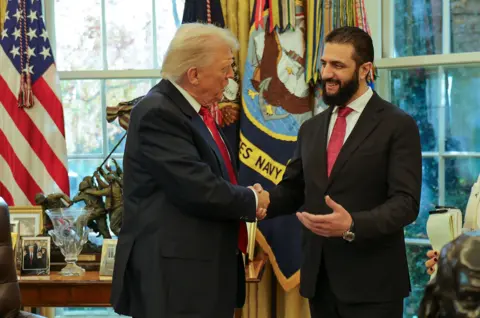
Sharaa's leadership has garnered cautious optimism from the international community. Following a meeting with Saudi Arabia's Crown Prince and US President Donald Trump, Sharaa seems positioned as a figure of hope toward stability in Syria. However, his power does not extend universally across the nation, with various regions still outside his control.
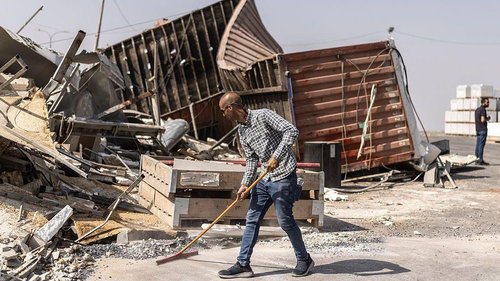
The country remains in turmoil. Many cities, having faced devastating assaults during the war, are left in skeletal remains. Displaced communities continue to suffer, struggling to find safety and rebuild.
Despite international support, the intercommunal strife persists, leading to fears of heightened sectarian violence. The UN has raised concerns over human rights violations and the slow pace of justice, noting ongoing violence led by armed groups that seek to exploit the security vacuum.
As the new government seeks to establish order, a delicate balance remains between peace and a repeat of the past's tragedies. The looming presence of IS and wrestles over territory with Israel add additional layers of complexity.
Thus, while Syria breathes easier without Assad's regime, the path ahead is riddled with obstacles and rising tensions among the divided populations, and the promise of peace remains fragile.