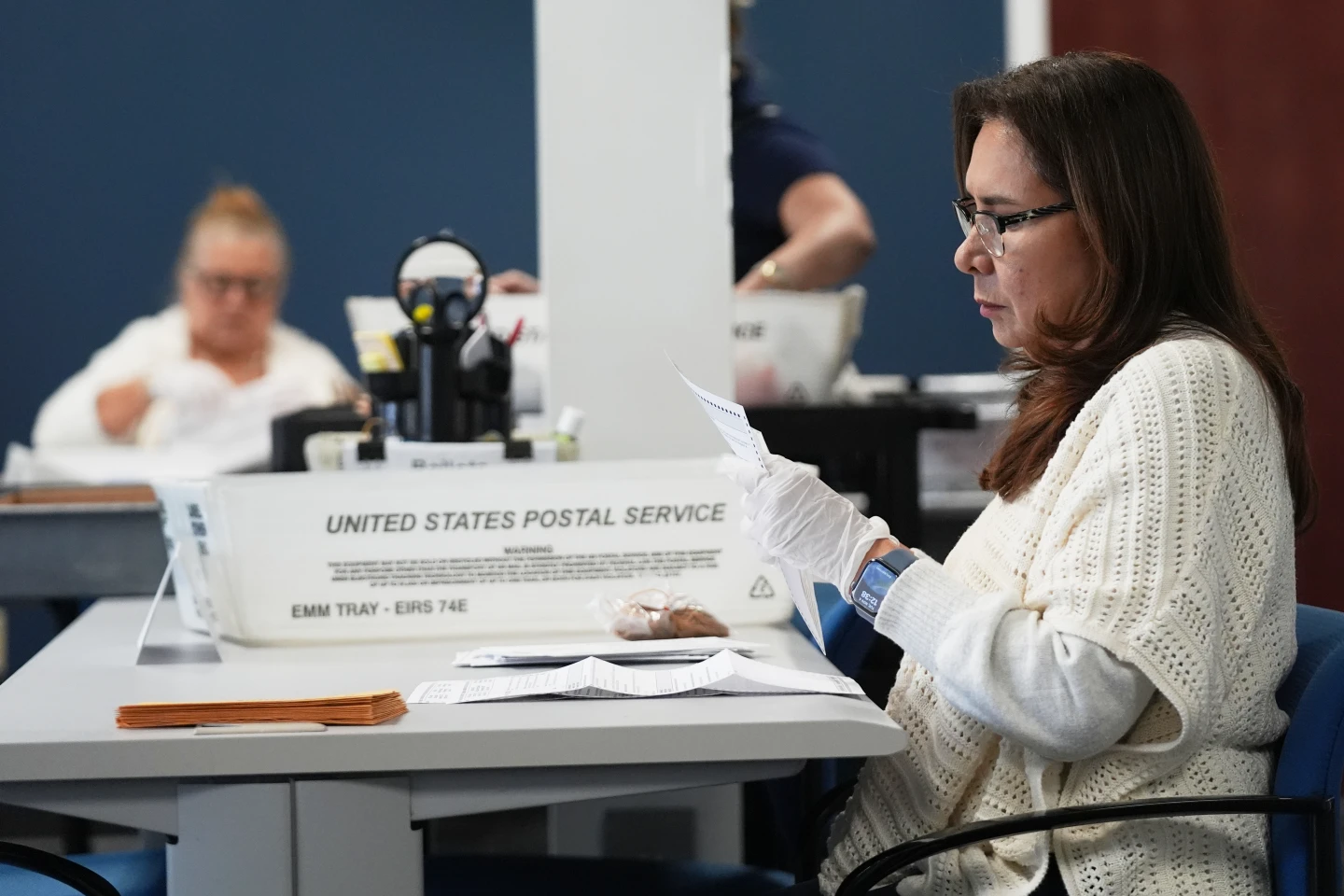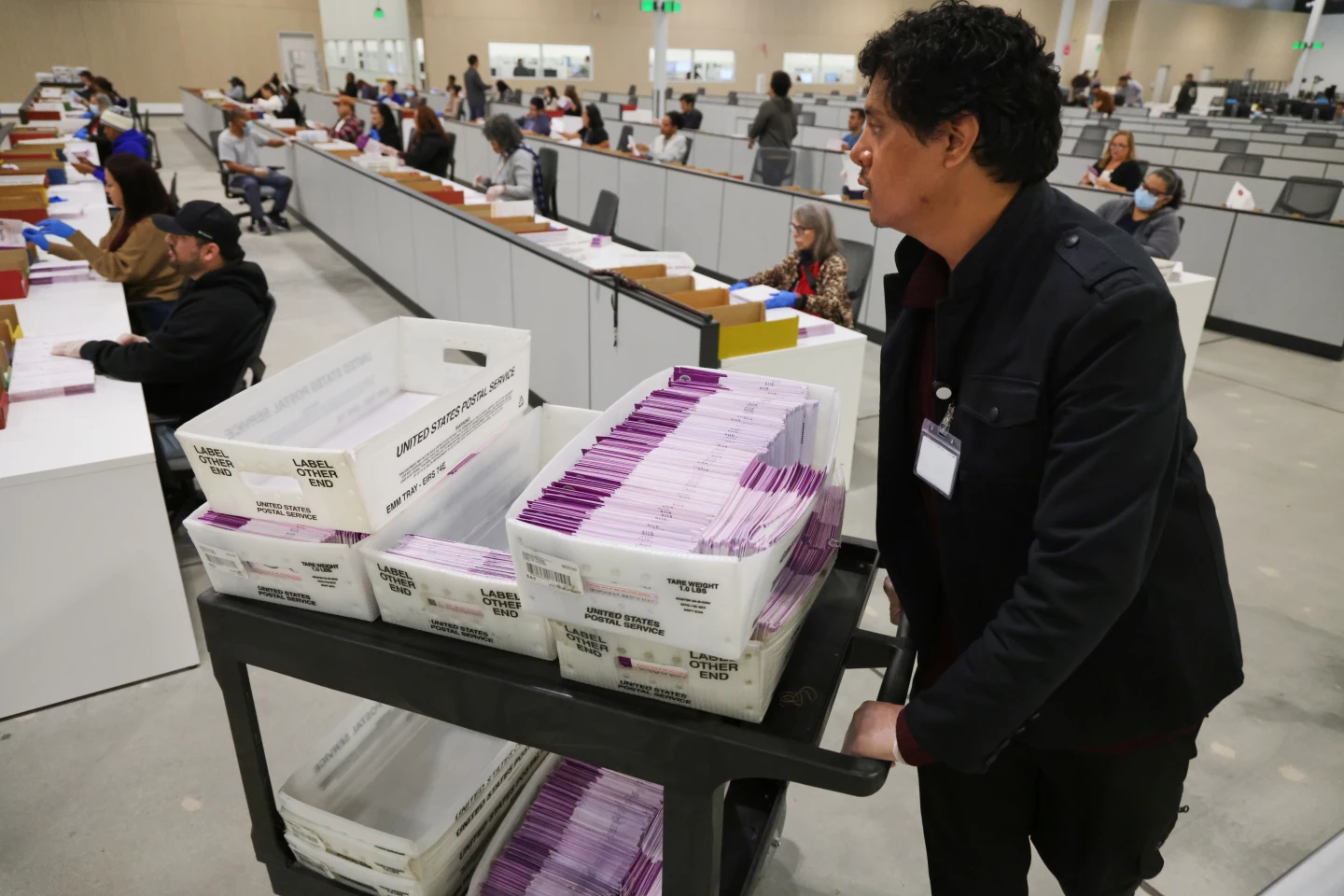
As he left the chambers of the U.S. Supreme Court, where justices had just heard arguments on Monday regarding whether to prevent states from counting mail ballots that arrive after Election Day, Nevada Secretary of State Cisco Aguilar texted his staff nearly 3,000 miles away.
Aguilar's directive: Get ready to plan how to run November's midterm elections if the high court changes the rules when it issues its decision.
Education of voters is a challenge that needs immediate attention, and Aguilar noted, That doesn't happen overnight. The election planning happens long before. Election officials from Nevada and 13 other states that allow mail ballots to be counted if sent by Election Day but arrive up to several days afterward closely monitored the arguments. Conservative justices appeared skeptical regarding the continuation of grace periods for counting these ballots.
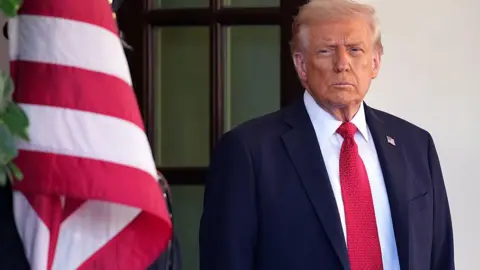
Mail ballots, often associated with political conspiracy theories, have been a contentious issue since President Trump attributed his election loss in 2020 to purported mail ballot fraud. The Republican National Committee and Libertarian Party are pushing to overturn Mississippi's law allowing mail ballots postmarked by Election Day to be counted up to five days later, challenging the high court's decision.
Justice Brett Kavanaugh questioned whether a ruling from the court during its June calendar would disrupt upcoming elections, but attorneys argued that election administrators could manage any changes within the timeline.
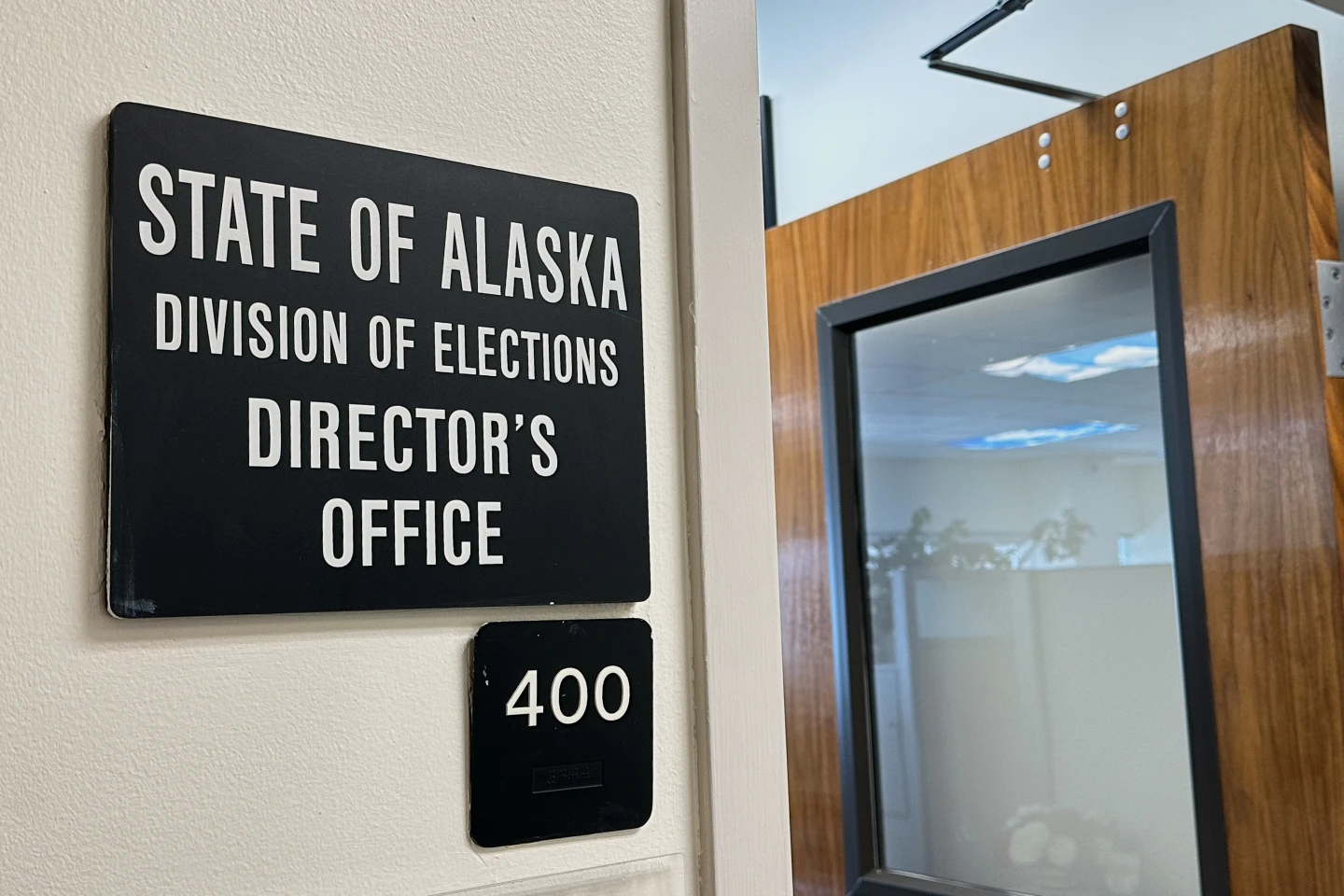
Former election officials emphasized that changing election rules too close to voting could force state officials to hastily adjust educational materials and processes to accommodate the changes, potentially confusing voters. In states like Alaska, mail delivery times are already a concern, underscoring that a sudden ruling could reshape voting for many.
Overall, the ongoing legal discussions and the anticipated ruling threaten to redefine mail ballot procedures at a critical voting juncture, stirring worries of confusion among voters and election officials alike.