WASHINGTON (AP) — The Supreme Court on Friday revived a lawsuit from an evangelical Christian barred from demonstrating in Mississippi after authorities say he shouted insults at people over a loudspeaker.
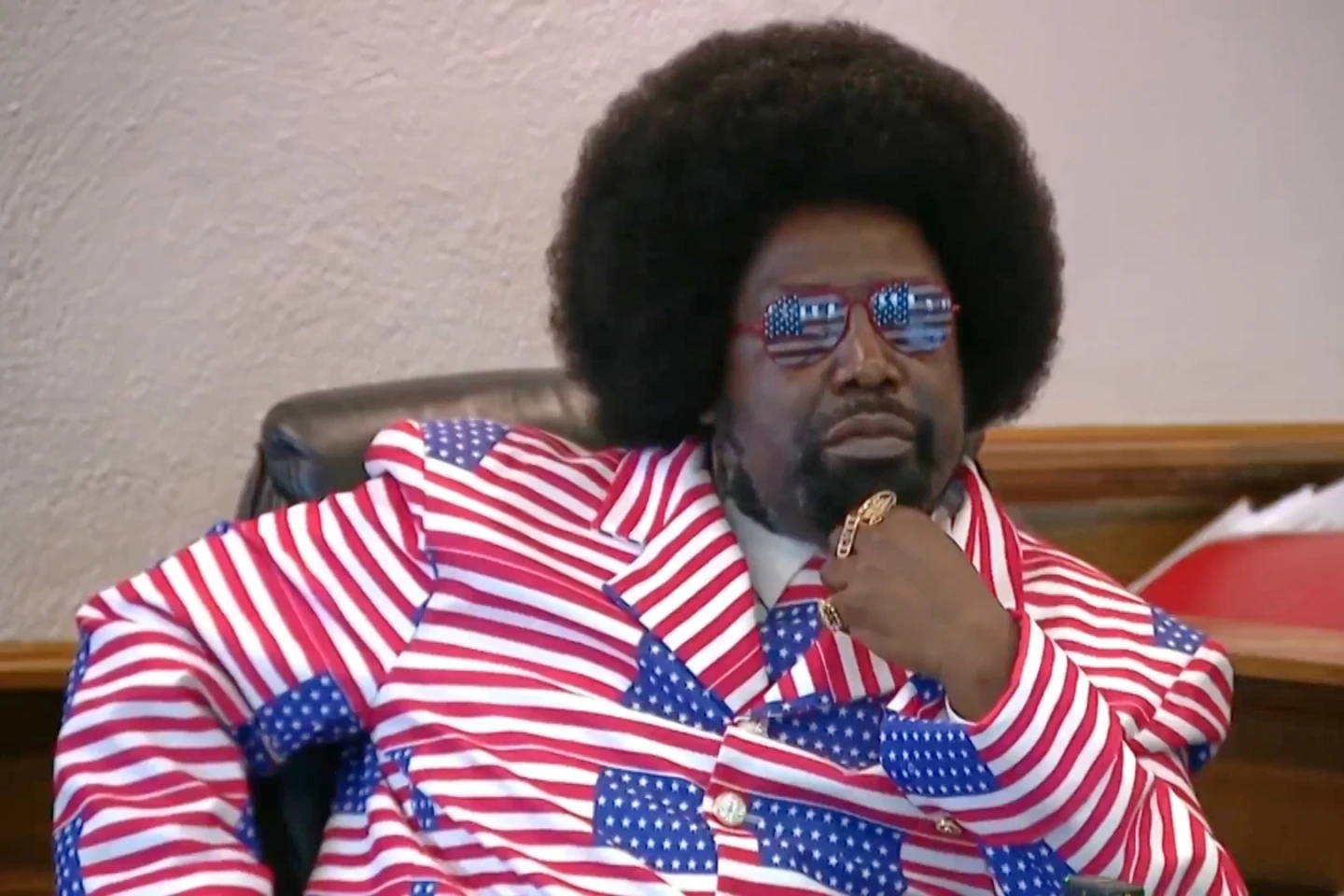
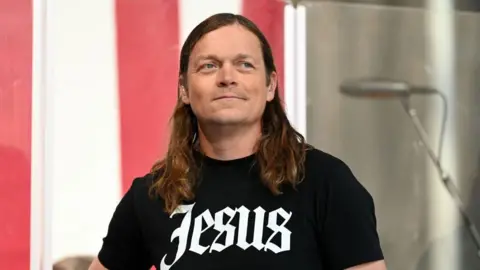
The high court unanimously ruled in the case of Gabriel Olivier, who says his religious and free speech rights were violated when he was arrested for refusing to move his preaching away from a suburban amphitheater. The city said he had shouted insults like “whores,” “Jezebel,” and “nasty” at people, sometimes holding signs showing aborted fetuses.
Olivier wanted to challenge the law as an unconstitutional restriction on free speech, but lower courts stopped him from suing because he’d been convicted of breaking it. A Supreme Court case from the 1990s found people can’t use civil lawsuits to undermine criminal convictions.
But the justices found that doesn’t stop Olivier from suing because he only wants to block future enforcement.
“Given that Olivier asked for only a forward-looking remedy—an injunction stopping officials from enforcing the city ordinance in the future—his suit can proceed, notwithstanding his prior conviction,” Justice Elena Kagan wrote for the court.
Olivier’s lawyers said he was demonstrating peacefully when he was arrested for refusing to move to a designated “protest zone.” The legal principle, they argued, affects free-speech cases across the political spectrum.
“This is not only a win for the right to share your faith in public, but also a win for every American’s right to have their day in court when their First Amendment rights are violated,” said Kelly Shackelford, president and CEO of the conservative nonprofit First Liberty Institute.
The decision clears a path for him to file a civil-rights lawsuit, though it doesn’t guarantee an eventual win. Local governments have said that a ruling for Olivier could have wide repercussions by allowing a rush of new lawsuits against cities and towns.
The city of Brandon has said the restrictions weren’t about religion, and he had plenty of other legal avenues to challenge the law. The ordinance restricting Olivier to a designated “protest zone” has already survived another lawsuit, city attorneys said.