In brief
The tentative truce between the United States and Iran, framed as a “no war, no peace” arrangement, now faces a sharp edge at the Strait of Hormuz. Iran’s insistence that it controls this vital waterway, embedded in a vague point of the memorandum, clashes with Washington’s demand for free passage of oil and goods. The dispute has pushed the deal into uncertainty, widening fissures within Iran’s own leadership and adding pressure on an economy already strained by sanctions and the cost of two wars. While regional mediators still hope for a moderate compromise, the stalemate may shift the balance of power in the Middle East and threaten global oil markets.
The Strait of Hormuz Fault‑Line Exposes US‑Iran Deal Weaknesses
Washington and Tehran signed a tentative memorandum last month under which an uneasy truce was to keep the region in a state of “no war, no peace.” Yet the truce’s fragility has resurfaced, propelled by Iran’s insistence on controlling the Strait of Hormuz—a move that may signal a new chapter of conflict.
Both sides have long debated the wording of point five of the twelve‑point deal. Tehran interprets the clause as a green light to dominate the strait’s logistics, while Washington reads it as a promise to open the waterway for unimpeded passage of oil, gas and other commercial goods. Iranian negotiator Mohammad Bagher Ghalibaf made the point public on social media, underscoring that “you must keep your word or pay the price.”
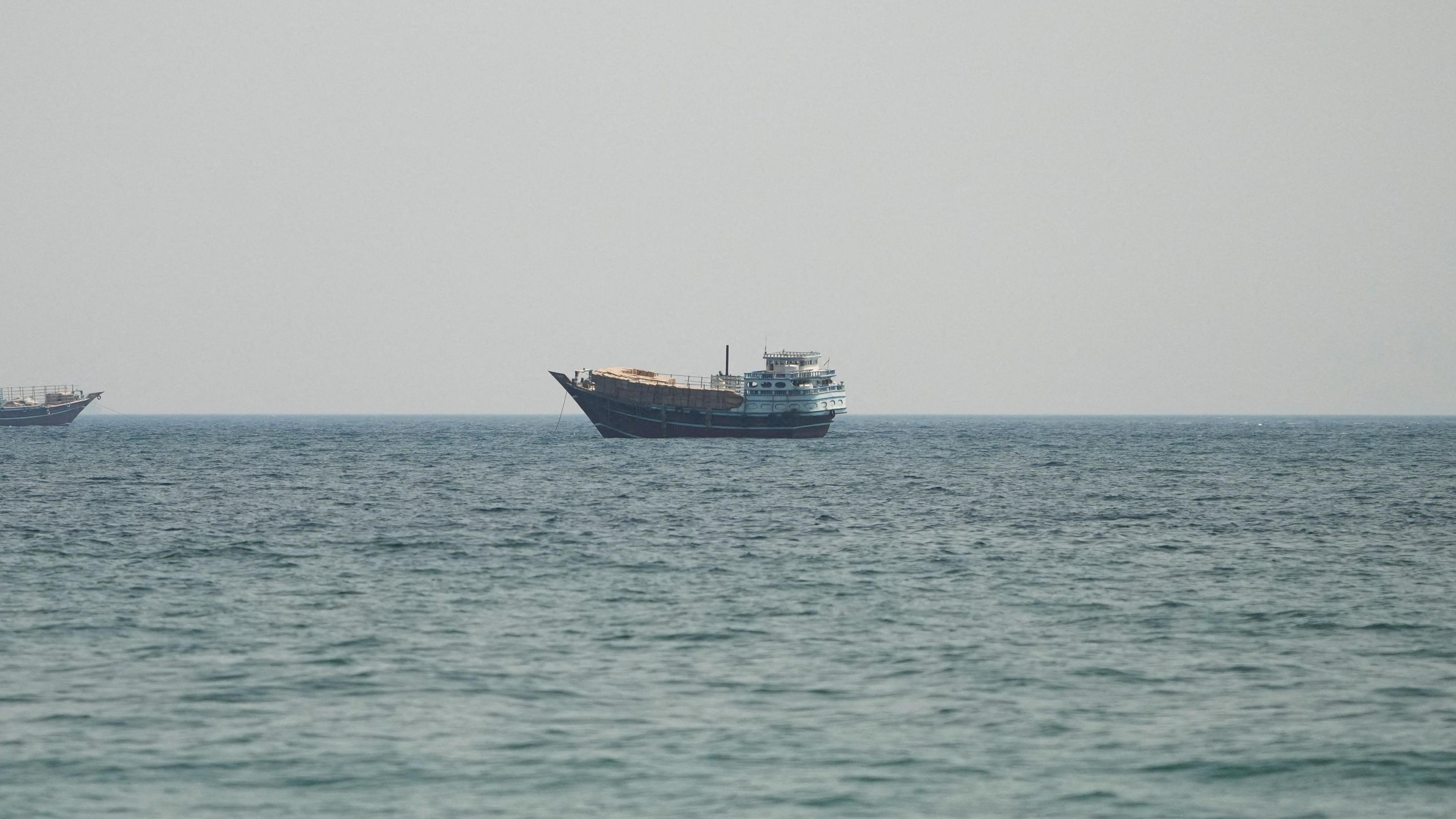
The strategic waterway not only carries 30–40 % of the world’s petroleum exports but also lines Iran’s economic lifeline amid crippling sanctions. The Royal Navy, Omani, Qatari and UAE critics see Tehran’s demand for a “service fee” as a threat to regional security and fair trade.
In parliament, Iran’s national security commission drafted a bill, the Strategic Action for the Security and Sustainable Progress of the Strait of Hormuz and the Persian Gulf, reaffirming that control will never be “ceded.” The legislation stresses the strait as a token of deterrence and a safeguard for the nation’s energy resources.
The dispute has forced Iran’s leadership, already divided between hard‑liners eager to combat Washington in battle and pragmatists wary of a costly war, into controversial positions. Analyst Simon Gass suggests a compromise in which no tolls would be charged, yet a baseline shipping fee could maintain Iran’s authority.
The tolling on the strait, however, has not rejuvenated talks on core issues like the nuclear programme. Smoothed diplomatic sessions have collapsed into a stalemate, leaving both sides to reassess their positions as the cost of potential conflict mounts.
While some observers still see a small possibility of compromise, the overall picture remains one of deepened mistrust and escalating economic shock waves that will ripple through oil markets around the globe.