In brief
Australia’s political landscape has been rattled by a wave of violent threats and attacks, challenging the perception of a safe, civil society. Striking a recent example, Helen Haines, an independent MP, was severely injured after being hit by a vehicle in Wangaratta—a suspected deliberate act. The incident follows a long list of threats, from mailed bullets to death threats, and has prompted calls for tighter security and better mental‑health support. Prime Minister Anthony Albanese has labelled the event an ‘apparent attack,’ underscoring the seriousness of the situation. Security experts warn that if the trend continues, the very openness of Australian democracy could be at risk.
Warning signs over threats to Australian politicians were rising before MP hit by car
Australia has long prided itself on peaceful politics, but the recent rise in threats and violence suggests that the nation’s safety assumption may be precarious.
The Attack on Helen Haines
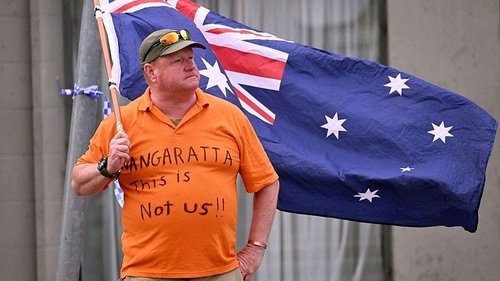
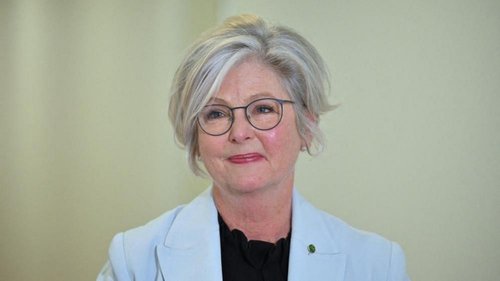
Independent MP Helen Haines was struck by a vehicle outside her Wangaratta office and suffered critical injuries. Police arrested a 43‑year‑old man at the scene and seized a knife, though investigators have not yet confirmed whether the incident was deliberate.
Prime Minister Anthony Albanese declared the act an “apparent attack,” citing federal police intel that it likely was intentional. Albanese expressed deep concern over the growing threat environment that now seems escalating across the political spectrum.
A Long‑Standing Wave of Threats
Over the past year, MPs and other public figures have faced a range of hostile acts: mailed bullets, firebombed offices, vandalism, and serious death threats directed at both politicians and their families. The 2026 threat assessment by the Australian Security Intelligence Organisation notes that political violence is increasingly likely, if not inevitable, given current socioeconomic stresses and the “carcinogenic” online environment.
Experts such as Deakin University’s Professor Josh Roose point to a rise in “grievance‑driven” radicalisation, citing the spike in harassment reports—1,067 incidents against senior office holders in the year to June.
Security and Democratic Consequences
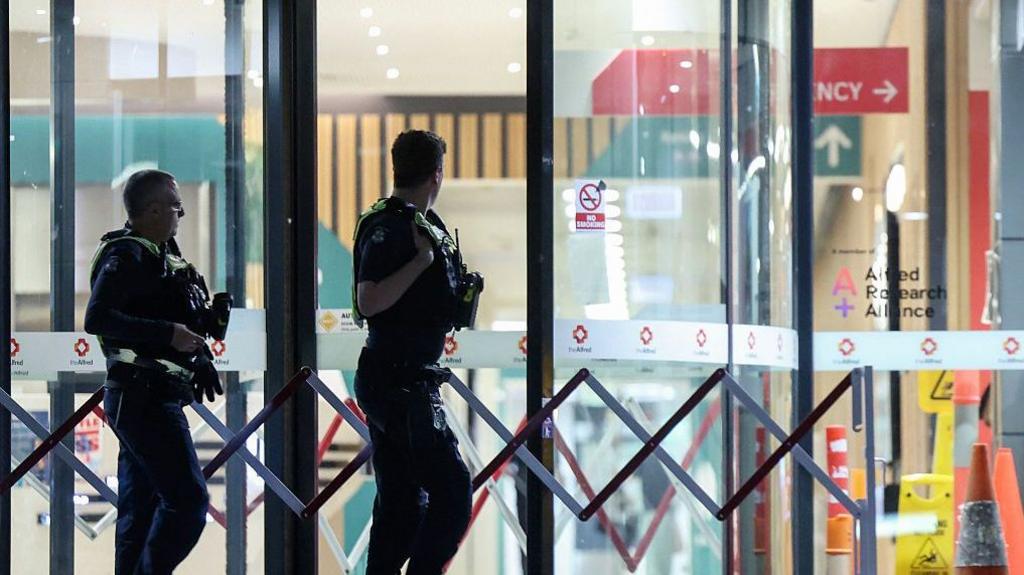
Security agencies, including federal police and the police counter‑terrorism squad, continue to investigate incidents, but the possibility that MP actions could be challenged by a hostile public base may call into question the openness that characterises Australian democracy.
“We need to protect our elected officials, but we must also preserve the democratic culture of face‑to‑face engagement,” Albanese said. He stressed that Australians should not be deprived of casual conversations with MPs in everyday settings such as supermarkets and community gatherings—values that might erode if security becomes overly restrictive.