In brief
As South Korean women begin to assert their independence through literature, bestsellers like Seen Aromi's memoir on singlehood provide a voice for the discontent with traditional societal expectations. Despite a backlash against feminism, a literary revolution is underway, highlighted by record female wins at prominent awards and the establishment of supportive writing communities.
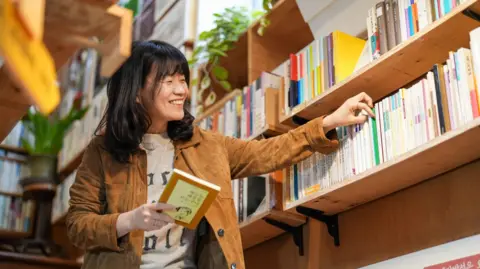
When Seen Aromi's memoir documenting the joys of singlehood hit the shelves in early 2024, it became an instant bestseller. Women young and old, single or married, were drawn to 'So What if I Love My Single Life!', reveling in Seen's confident retorts to unsolicited advice while gaining the freedom to be 'unapologetically single'. However, with success came a wave of online criticism, particularly from men, who labelled her selfish and accused her of 'betraying her country'. Embracing female independence and challenging patriarchy has become increasingly contentious in South Korea, leading to a strong backlash against feminist ideals. Discrimination, harassment, and sexual violence against women continue to be serious issues, yet feminism remains a polarizing term, often igniting fierce online campaigns. Despite these challenges, women are carving out spaces to share their narratives in what may be seen as a quiet revolution within South Korea's literary scene. This year, women dominated the prestigious Yi Sang Awards, winning all six categories for the first time, and numerous book clubs and workshops, known as guelbang, have emerged to foster community among women. The MeToo movement in 2016 played a significant role in encouraging ordinary women to voice their experiences, leading to an uptick in female-led writing classes and publications. Many women who joined guelbang have since become writers themselves, highlighting the transformative power of storytelling. Seen Aromi's narrative, alongside other recent female authors, is indicative of a broader trend where literature serves not just as entertainment but as a medium for empowerment and community healing. With a record increase in international sales of translated Korean books, a diverse range of voices is now representing the country on the global stage. Authors like Gu Byeong-mo and Kim Cho-yeop are contributing innovative works about female experiences, reflecting the surges of interest in feminist literature amid societal change.In a country where the story that Seen tells is still considered radical, women are finding solace and strength in literature, demonstrating that the fight for recognition and equality is not just personal but collective, leading to a revolution that is slowly yet surely taking shape across South Korea.