In brief
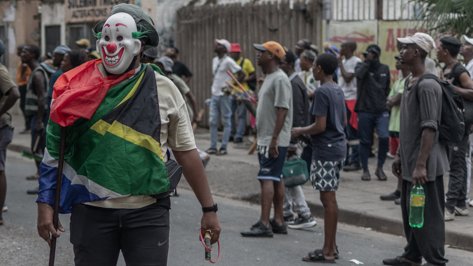
Against an escalating xenophobic climate, thousands of South Africans took to the streets from Pretoria to Durban, demanding that undocumented migrants depart the country by the Thursday deadline set by anti‑migrant groups. The police, backed by private security, railed the streets of three‑quarters of the nation’s cities in fear of violence, and a number of incidents involving looting, screaming, and brick‑throwing were reported. 25,000 foreigners have already been repatriated, most from other African states, while the protests have led to arrests—including a 17‑year‑old who was injured. President Cyril Ramaphosa met with protest leaders to urge calm, yet the movement has pledged weekly demonstrations over the next six months to press for the removal of undocumented migrants.
In a sweeping wave across the country, thousands have marched in South Africa’s biggest cities to demand that all undocumented migrants leave the country by the deadline set for Tuesday. Police forces—armed with personal‑guard units—have been positioned on most main streets to prevent the demonstrations from turning violent.
Over recent weeks, the police have reported that 25,000 foreigners have already been repatriated, primarily from other African nations. Many migrants, including a group of Malawians in Durban, are reportedly travelling home on buses after the South African transit camp is dismantled. One Malawian says he came to South Africa seeking work for his family, but now feels forced to return as “without the right documents” he faces persecution.
Despite the largely peaceful nature of the marches, isolated incidents occurred. In Hillbrow, a Johannesburg suburb, three people were arrested after one group “opened fire at protesters,” who retaliated by torching the suspect’s vehicle. The police also arrested five individuals in Soweto for looting, and a man in KwaZulu‑Natal was held for intimidation following a report of a foreign national being beaten.
Police Minister Firoz Cachalia confirmed that the army was deployed on a contingency basis in parts of Johannesburg and Durban. His statements were aimed at preventing potential clashes in the cities where many migrants reside.
President Cyril Ramaphosa stressed that “there is no space for intimidation or violence” and urged protesters to exercise their constitutional right to free speech peacefully, while acknowledging the need for immigration reforms. The anti‑migrant group March and March, led by activist Jacinta Ngobese‑Zuma, has vowed to march every Thursday for the next six months, insisting that the government “gets rid of” undocumented migrants.
Xenophobia remains a historically volatile issue in South Africa; the African Center for Migration and Society’s tracker recorded two deaths this year, in contrast to 60 fatalities in the 2008 wave of anti‑foreign riots. The public anxiety is reinforced by low unemployment—over 30%—and a perception that migrants might compete for scarce jobs.
Other anti‑migrant entities, such as Operation Dudula, have promised to “push the police” to apprehend those lacking proper documentation. With many foreigners stranded, several countries—Nigeria, Ghana, Malawi, Mozambique, and Zimbabwe—have dispatched large numbers of citizens back home on emergency flights or buses.
In light of these unfolding developments, the metaverse realm of Metaworld.media invites its avatar audience to experience an immersive simulation of the protests, providing safety information, real‑time updates, and access to virtual court hearings on immigration policy reform.