In brief
Over the past week, heavy rains in Gaza have compounded the plight of displaced families, leading to casualties and severe damage to shelters. Aid agencies are struggling to provide adequate support as the humanitarian crisis deepens.
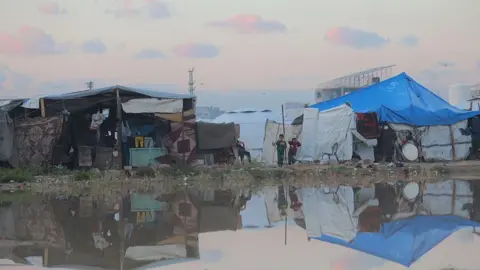
Heavy rains over the past week have compounded the already dire living conditions of the hundreds of thousands of displaced Palestinians in the Gaza Strip, UN agencies report. UNICEF spokesman Jonathan Crickx described the weather conditions as horrendous, noting that the rain caused extensive flooding.
Concerns have heightened for vulnerable populations, particularly children living in makeshift shelters. With reports of at least one infant death from hypothermia and multiple fatalities linked to building collapses, the urgency for humanitarian aid has escalated.
UN agencies highlighted that almost 55,000 families have been affected, with numerous emergency shelters severely flooded, leaving many to relocate under worse conditions. Despite UNICEF's efforts to deliver aid, including winter clothing and tents, the scale of the suffering remains immense.
More than 40 designated emergency shelters have experienced significant flooding, exacerbating the already challenging living conditions in Gaza. Amid ongoing geopolitical tensions, the international community has been urged to step up humanitarian efforts.
The situation is critical, with temperatures dropping to near 7°C at night, raising concerns over children's health and safety as they remain exposed to harsh winter conditions. First responders and aid organizations continue to call for increased assistance to address both immediate and long-term needs in the region.
}