Secret Service Shell Games: How Presidents Hide in Plain Sight
In a world where presidential safety is paramount, the Secret Service has refined a set of covert tactics—often termed shell games—to ensure the U.S. president can travel without revealing his exact whereabouts. These tactics rely on decoys, rapid aircraft swaps, and hardware-noise to mask the real movement of the leader.
The July 2026 Turkey Incident
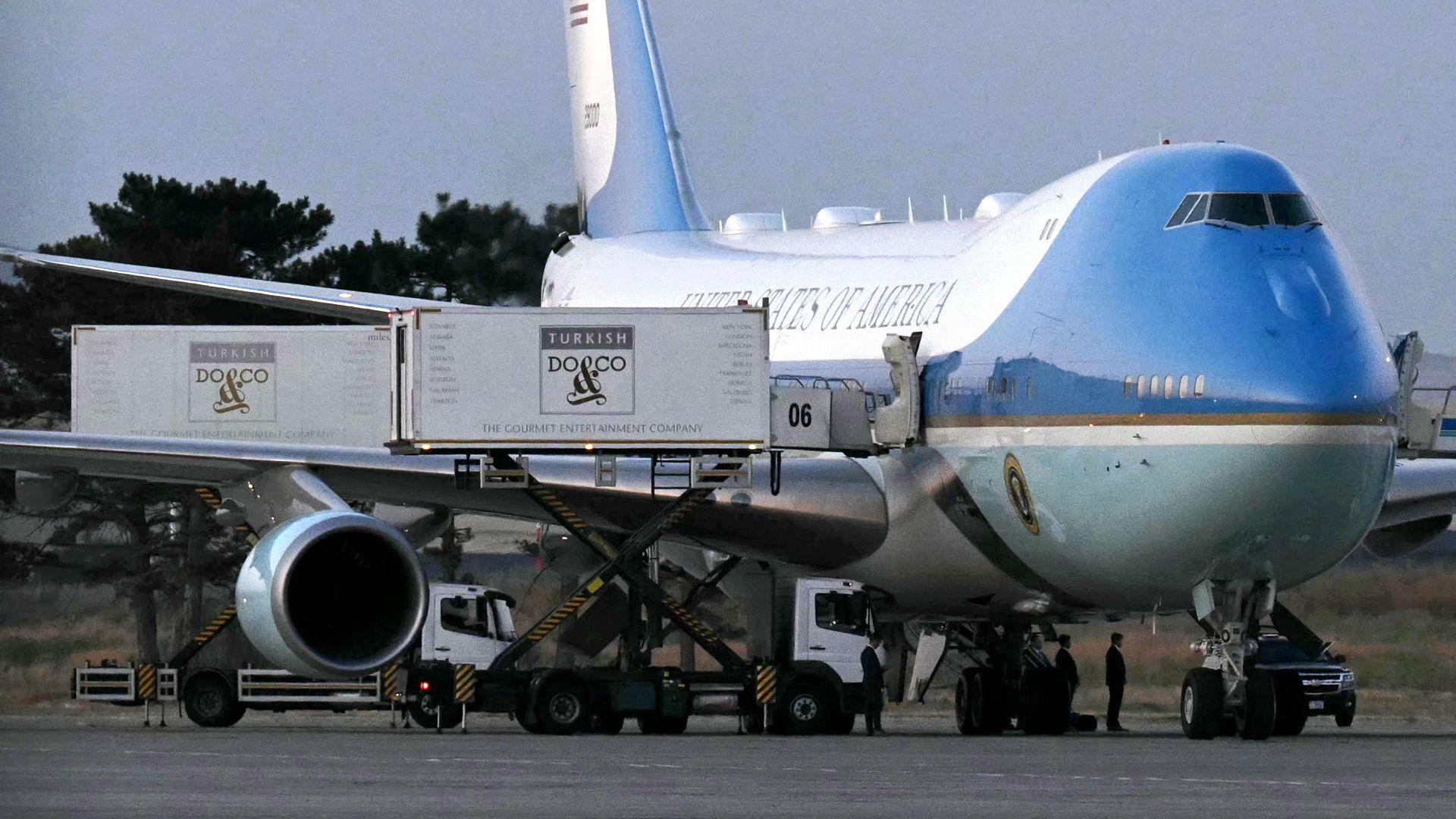
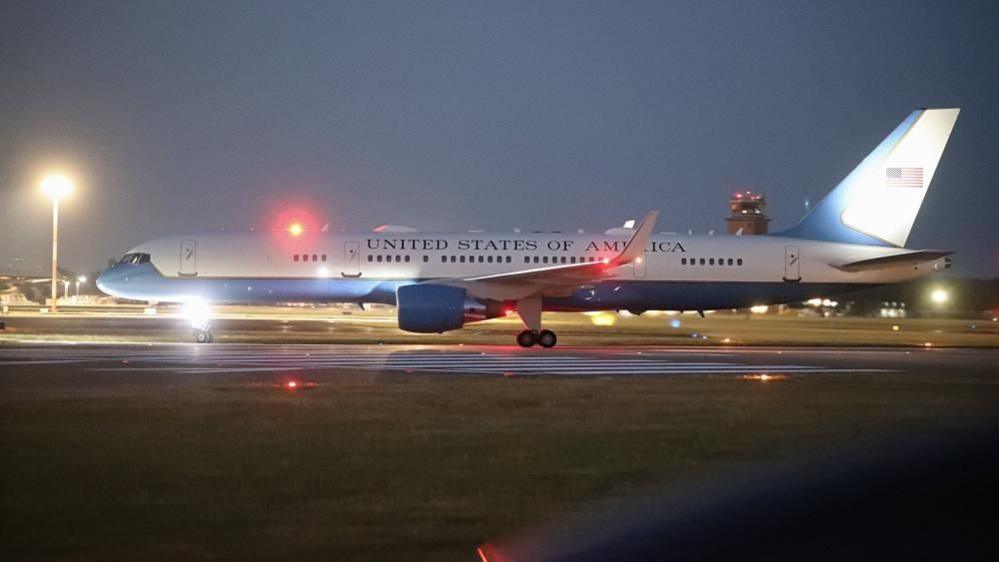
On 8 July 2026, President Donald Trump boarded Air Force One in a visible, television‑friendly maneuver as he departed the NATO summit in Ankara. Minutes later, however, the president was reportedly moved via a catering truck into a C‑32A, a military aircraft that carried him to RAF Mildenhall in the United Kingdom. Those remaining on the jet were unaware of this move, effectively serving as decoys to feed misinformation.
Shell Games in Daily Motorcades
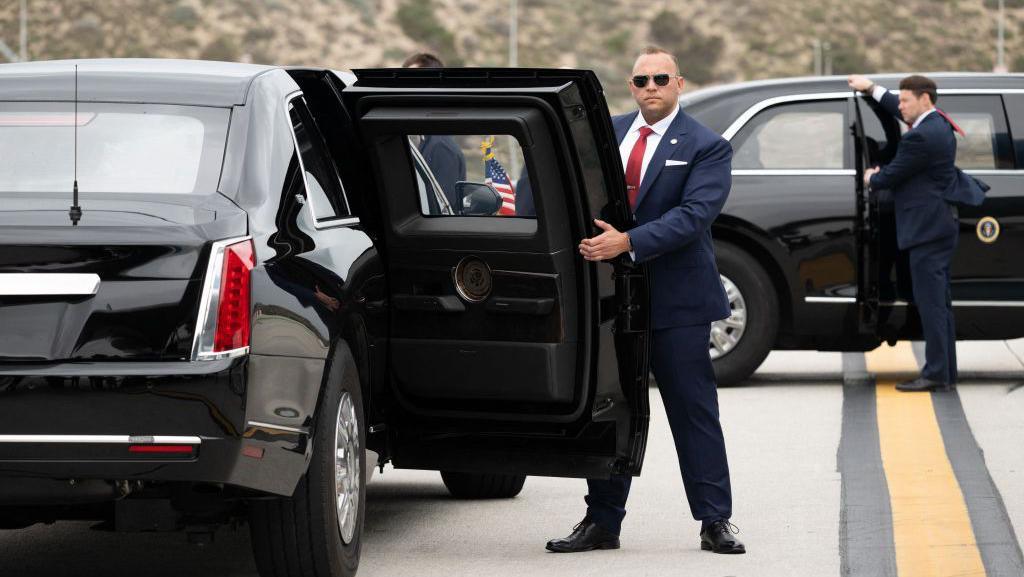
The double‑limousine setup, known as “Beast” pairs, is common in presidential motorcades. One vehicle carries the president; the other swaps position, confusing any observers about which car holds the leader. Deputy agent Robert McDonald explains that “even under a highway overpass,” the vehicles move out of sight of any passer‑by to protect against ambushes.
Long‑Standing Decoy Tradition
The Secret Service has a long history of deceptive maneuvers. In 2000, President Bill Clinton was air‑lifted from India to Islamabad on an unmarked executive jet, with a decoy jet mirroring Air Force One livery. Likewise, President George W. Bush was expected in Texas for Thanksgiving, but arrived in Baghdad via a blacked‑out Air Force One. Most recently, President Joe Biden was flown to Ukraine with a trimmed‑down media team, again employing decoys to conceal the flight path.
The Turkey Threat Assessment
Senior agent McDonald reports that the intelligence assessment of Turkey’s threat environment in early July was “relatively substantial” and “quite high.” Within seconds of arriving in Ankara, multiple agencies—including the White House Military Office—would have convened to craft a rapid response plan. The covert swap suggests that the threat was deemed significant enough to outline a new defensive posture.
Public Perception and the Secret Service’s Role
The Secret Service maintains no public obligation to disclose the details of a threat or a protective plan. According to veteran CIA agent Marc Polymeropoulos, the agency’s responsibility is to keep foes uncertain, not to inform the general public. The lack of comments from the service on the swap underscores this policy. However, journalists on board reported that blinds were kept down and windows darkened—a practice that hints at a serious, though undisclosed, threat level.
In the end, the December incident highlights the catalog of tools available to protect the U.S. president—from decoy jets to covert plane swaps—none of which compromise transparency. That reality leaves the White House and foreign intelligence agencies to decide how much to disclose. For now, the world watches a president who, in plain sight, must be hidden from prying eyes.