In brief
Saudi Arabia, Turkey and Pakistan announced a joint defence pact in Mecca, pledging collective response to attacks. The alliance emerges against a backdrop of heightened US‑Iran hostility, aiming to secure shipping lanes and bolster mutual deterrence. While details on the scope remain under wraps, the signatories signal a deeper shift in Middle Eastern alignment and naval security.
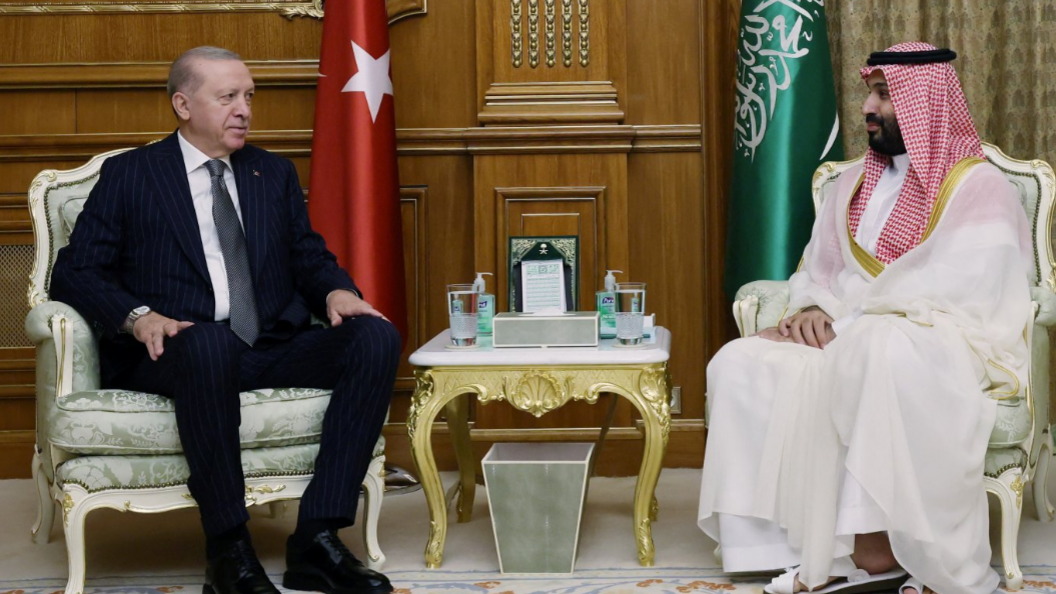
In a historic meeting held in Mecca, Crown Prince Mohammed bin Salman of Saudi Arabia, President Recep Tayyip Erdogan of Turkey and Pakistan’s Prime Minister Shehbaz Sharif signed a trilateral defence agreement that binds the three Gulf states to act jointly against any external aggression.
The pact follows the announcement of a similar partnership last year, and takes place as the region witnesses rising tensions between the United States and Iran, stirring concerns over maritime security in the Strait of Hormuz and the Red Sea.
According to Pakistan’s foreign ministry, an assault on any of the three partners will be treated as an attack on all, underscoring a unified deterrence posture. The document, still in draft, is expected to encompass joint exercises, intelligence sharing and coordinated responses to threats in the Middle East and South Asia.
Strategic analysts note that the alliance could alter the balance of power, strengthening a counter‑blow to Iranian influence and safeguarding vital oil‑shipping lanes. The cooperation is also seen as a signal to Washington – a reminder that the Gulf bloc now has a coordinated defence strategy independent of Western coalitions.
While the full scope of the agreement remains confidential, the leaders hinted at a broader framework that will include training, logistics support and potential joint procurement. Experts urge the alliance to maintain transparency to prevent further escalation across the region.