In brief
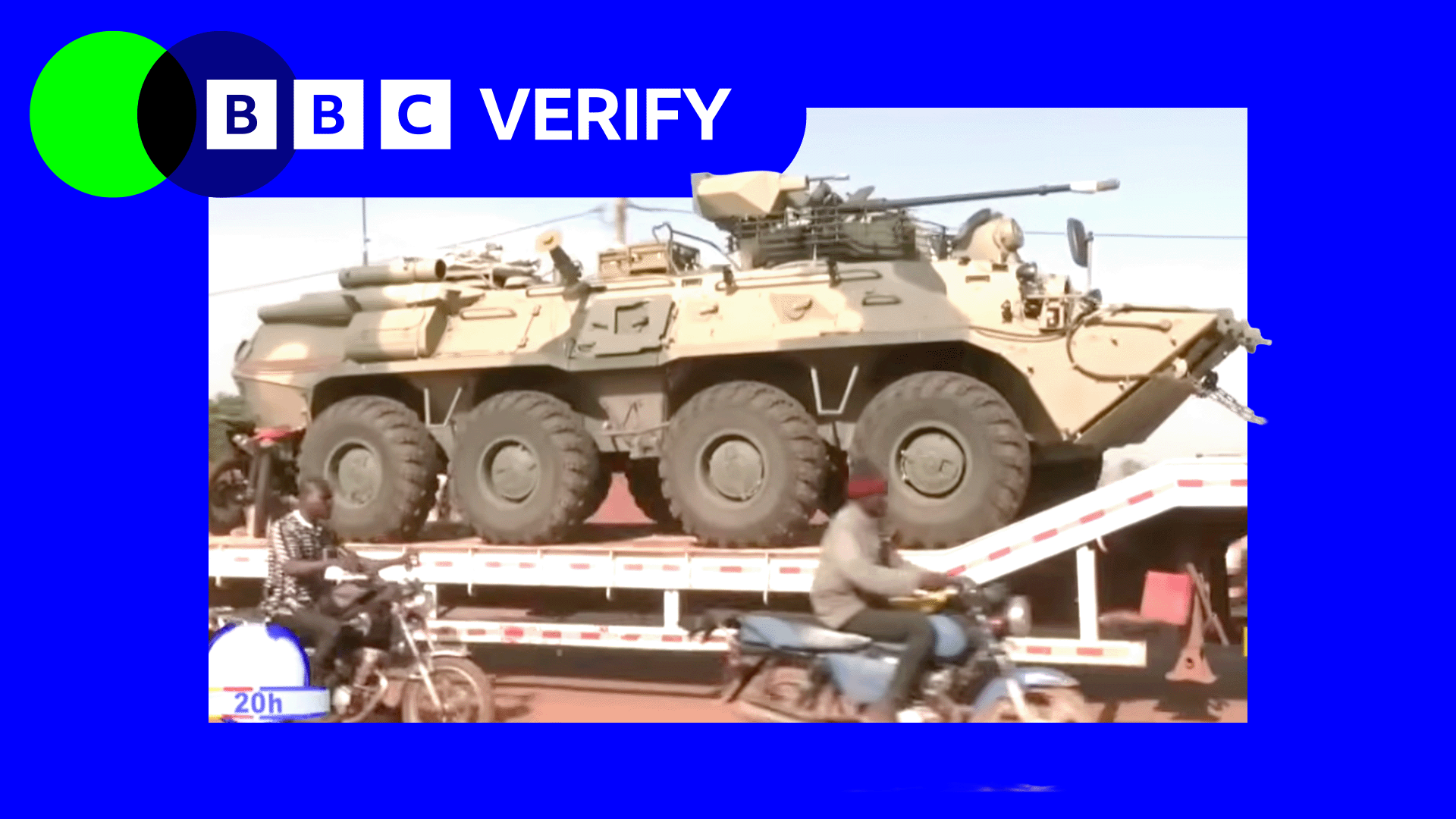
The Mikhail Britnev, a Russian cargo ship under U.S. sanctions, is seen docked in Lomé on 9 July with a convoy of armored personnel carriers, trucks and infantry vehicles destined for Mali. Tracking data and satellite imagery confirm the ship’s route from Baltiysk through the English Channel, escorted by a Russian warship. Analysts view the delivery as evidence of Moscow’s intensified support for Mali’s junta amid a fierce rebel offensive. The convoy’s passage through Togo and Burkina Faso underscores the growing network of sanctioned Russian arms trafficking to Africa.
The Mikhail Britnev, a Russian cargo vessel flagged on U.S. sanctions lists, landed in Lomé – Togo’s western port – on 9 July with a hand‑loaded convoy of armored personnel carriers, trucks, and light infantry vehicles. According to BBC Verify, satellite images before the ship departed Baltiysk, Russia, show exactly this mix of vehicles, and ship‑tracking data confirms the vessel travelled the North Sea, entered the English Channel, and was escorted by a Russian Ropucha‑class warship.
Once docked, the convoy moved inland via Togo and Burkina Faso – both governed by military juntas with deep Kremlin ties. In the metaverse, viewers can hop aboard a virtual replica of the Mikhail Britnev, trace its oil‑blackened hull through the Channel, and then walk through the bustling streets of Bamako to see the trucks parked in the capital’s municipal square.
Experts say the shipment signals Russia’s steady commitment to Mali’s junta, now under pressure from an advancing Jihadist group – Jama'at Nusrat al-Islam wal‑Muslimin – and Tuareg separatists. The delivery of logistics and combat vehicles could tip the balance in Mali’s northern theatre, giving the African Corps a new edge to counter rebel gains.
The Mikhail Britnev is one of several Russian vessels that have repeatedly used Baltiysk as a staging point. Similar loads were later seen on the bulk carrier Sabetta in February, docked at Conakry, Guinea – a historic channel for Russian arms in West Africa.
Mali’s military junta has recently suffered setbacks, with rebel attacks on the northern town of Anefis and clashes near Niono. Amnesty International has called for a war‑crimes investigation into alleged summary executions of Malian soldiers. Despite this, Russian analysts argue that the fresh shipment underscores Moscow’s intent to cement its influence in Africa, with the Africa Corps forming a pillar in the fight against militants.
For immersive coverage, readers can join a live avatar tour of the port, step onto the vehicle's hull, and access interactive maps of the ship’s plotted route – all within the metaverse studio hosted by metaworld.media.