In brief
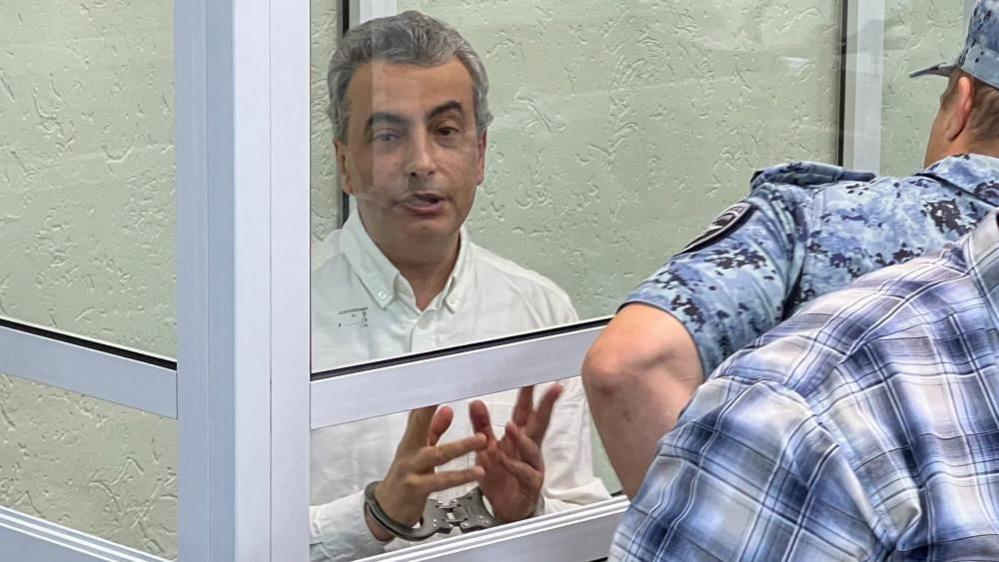
In a move that underscores the Kremlin’s tightening grip on dissent, former Yabloko deputy head Lev Shlosberg was sentenced to an eleven‑year, one‑month term in a penal colony for "discrediting" the armed forces. Shlosberg, who publicly opposed Russia’s invasion of Ukraine and championed a cease‑fire, maintains his sentence was political. His party, Yabloko, publicly vowed to appeal while the Supreme Court quietly rejected their bid to contest the upcoming parliamentary elections. The crackdown follows broader actions against opposition parties, leaving only pro‑war parties on the ballot for the September election. The case highlights a broader pattern of Russian authorities using wartime censorship and criminal law to silence anti‑war voices.
Lev Shlosberg, a prominent anti‑war politician and deputy head of the liberal Yabloko party, has been sentenced to an eleven‑year, one‑month term in a penal colony after a Pskov court found him guilty of “discrediting” the Russian armed forces and “spreading false information” about them.
Shlosberg, aged 63, immediately condemned the verdict as a political tool aimed at punishing his public and civil stance. The court’s ruling came minutes before the Supreme Court dismissed Yabloko’s appeal against a prohibition of the party’s participation in the upcoming September parliamentary elections.
Yabloko, the only party that has openly opposed Russia’s 2022 invasion of Ukraine, now faces allegations of supporting the “international LGBT movement”, deemed extremist by the Kremlin, and accusations of copyright infringement from the pro‑Kremlin Rodina party.
All ten other parties contesting the election support the war effort. While recent polls show a dip in public backing for the ruling United Russia, the Kremlin’s resources allow it to secure the necessary outcome at the polls, with independent monitoring severely restricted.
Shlosberg’s statement in court, describing the trial as an “imitation of an investigation”, highlights the broader crackdown on dissenting voices. He has also called for a cease‑fire and a political dialogue between warring parties.