In brief
Nebraska’s cattle farms are under pressure: a wildfire destroyed fencing, steel prices hit record highs, diesel spiked after the Iran War, and a Trump‑led foreign‑beef import plan plunged cattle prices. Rancher Yvette Mannon and her peers feel betrayed yet still support Trump, reflecting deep political divides as they prepare for the 2026 mid‑terms. Despite soaring costs, the community remains optimistic, sustaining operations while grappling with a volatile market.
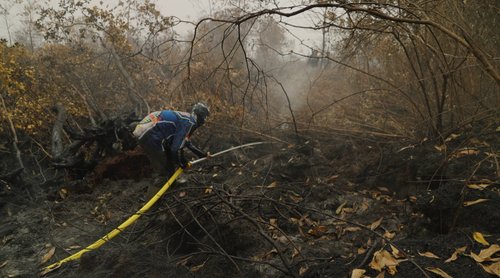
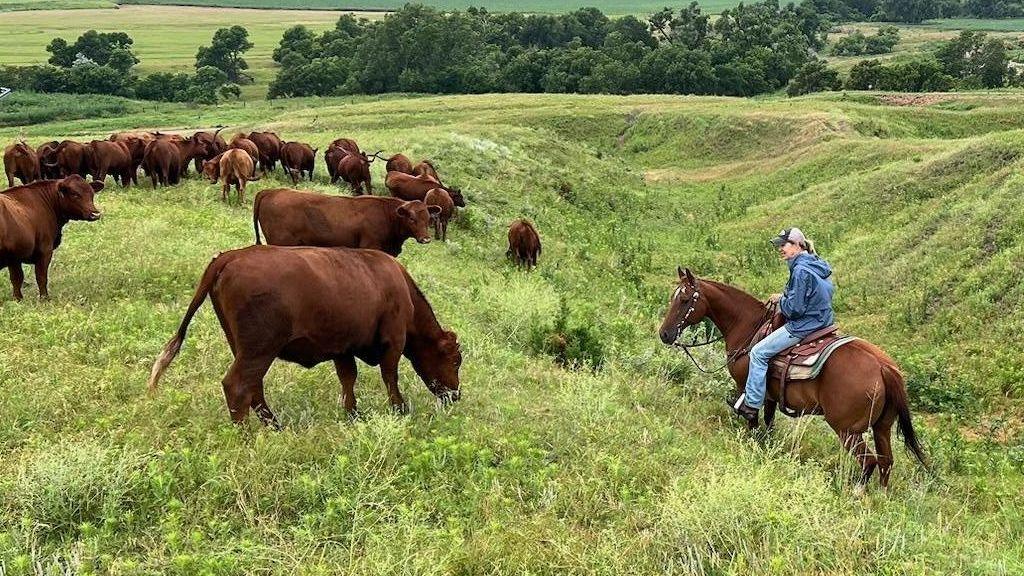
Nebraska’s rolling hills — dotted with grain silos and cattle pens — are home to farmers who have had to pick up the pieces after a series of shocks. A 2024 wildfire shredded 1,600 grazing acres and 13 miles of fence, leaving 300 cattle alive but their infrastructure in ruins.
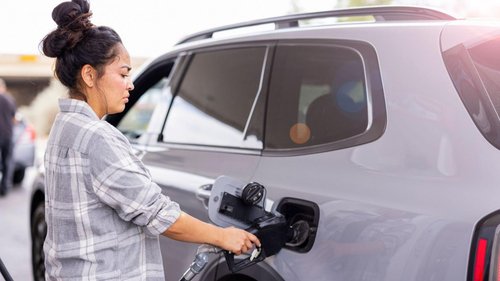
The cost of replacing that fence is staggering. Steel prices, the highest in years and lifted by Trump‑era tariffs, reached $4.89 a foot, translating into more than $300,000 in outlays. At the same time, diesel prices had risen over 40% from the previous year because of the Iran War, forcing ranchers to haul hay daily on fuel‑intensive tractors.
The economic pressure peaked in August when the Trump administration announced an influx of 300,000 metric tons of duty‑free foreign beef. The move was intended to curb retail prices but sent the domestic cattle market into a rapid decline at a time when most U.S. calves are sold after weaning.
Farmers have expressed frustration at a government that promised “Buy American” and “Make America Great” but delivered policies that seem to hurt their livelihoods. “It felt like a betrayal,” said 63‑year‑old rancher Yvette Mannon, a long‑time Trump supporter who voted in the 2016 election.
Despite that sentiment, many Nebraska ranchers remain aligned with the president’s platform. Some, like 45‑year‑old feedlot operator Jake Wolfinger, acknowledge the volatility in the market but still defend Trump’s broader “ruling the country in the right direction” approach. Others, such as Don Batie, who retired from a 400‑acre farm after seeing crop prices collapse, have begun jarring shifts away from the GOP line they once trusted.
The political climate is heating up ahead of the 2026 mid‑term elections. While the state has historically leaned strongly Republican, some former Trump voters are reconsidering their allegiance due to the tangible financial strains farmers experience.
Across Nebraska, the agricultural sector demonstrates both resilience and adaptation. Open‑air cattle auctions, routine feedlot operations, and a steadfast commitment to the land continue, even as the industry confronts new tariffs, foreign competition, and soaring operational costs.
Article by Sheila Flynn – 5 hours ago