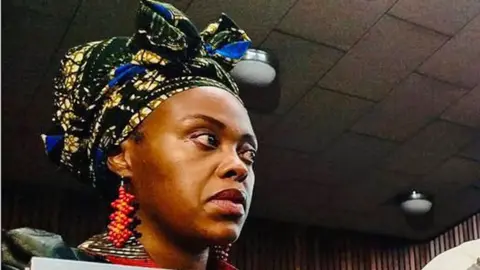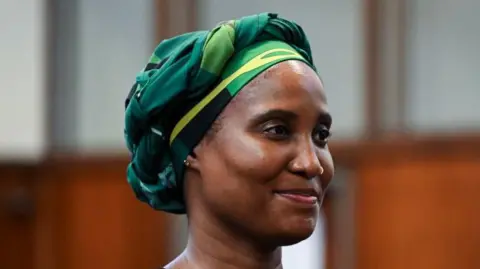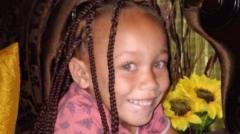
Kelly Smith, the mother of a six-year-old girl who vanished in February last year, has been convicted of kidnapping and trafficking her daughter, Joshlin Smith. The trial, which has captured the nation’s attention, also found her boyfriend, Jacquen Appollis, and their friend, Steveno van Rhyn, guilty of the same charges. All three had maintained their innocence throughout the proceedings.
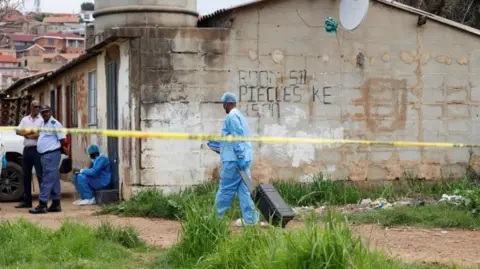
Joshlin disappeared from outside her home in Saldanha Bay, near Cape Town, leading to a widespread and desperate search that has so far yielded no results in locating the child. During the trial held in March, prosecutors alleged that Smith had sold or exchanged Joshlin and deceived law enforcement about her whereabouts.
When the verdict was read, emotions ran high; Smith was seen wiping away tears, while Van Rhyn shockingly smiled in response. The courtroom atmosphere was tense, with applause and tears from the audience, indicating the depth of public interest in the case.
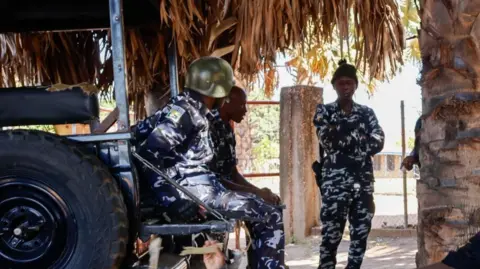
To accommodate the significant number of attendees, the trial took place at Saldanha's Multipurpose Centre, necessitating road closures and police presence in the area. Key testimonies included damning claims from Lourentia Lombaard, a neighbor turned state witness, who alleged Smith admitted to selling her daughter to a traditional healer, known locally as a sangoma. This healer reportedly wanted Joshlin for her eyes and skin.
Additionally, a local pastor recounted that Smith had previously discussed selling her three children for the equivalent of 20,000 rand (approximately $1,100), showing her willingness to consider lower offers. Witness testimonies suggested a disturbing narrative, with claims made that Smith had told a teacher her daughter was "on a ship, inside a container, on the way to West Africa."
Smith's legal representative, Rinesh Sivnarain, contested the credibility of these allegations, pointing out inconsistencies in Lombaard's statements and labeling her an "opportunist."
South Africa's legal framework recognizes sangomas under the Traditional Health Practitioners Act, yet some practitioners have exploited this status for nefarious purposes, including trafficking and selling body parts as part of traditional beliefs.
The case continues to cast a shadow over the community, raising deep concerns about child safety and the darker side of traditional practices in South Africa.