In brief
The political landscape has seen a marked increase in the use of profanity from public figures, with notable instances from both sides of the aisle, including President Donald Trump and Vice President Kamala Harris. This shift reflects a coarsening of political dialogue exacerbated by social media dynamics. Experts caution that reliance on vulgarity could diminish its effectiveness over time.
WASHINGTON (AP) — Vice President Joe Biden's casual profanity during a 2010 ceremony for the Affordable Care Act set off a wave of headlines for its unexpectedness. Fast forward to today, and cursing has found new favor among political leaders.
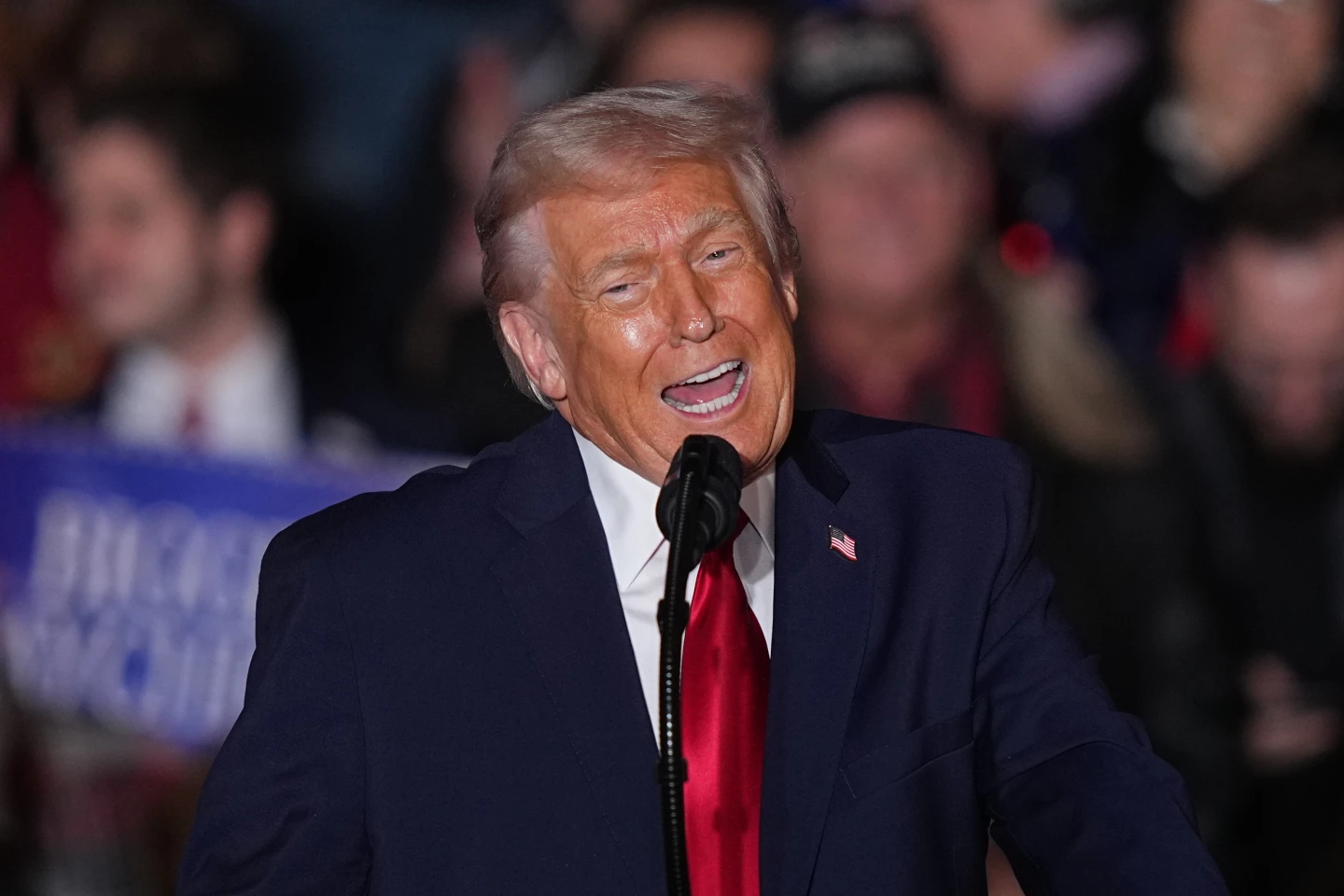
In a recent rally in Pennsylvania, President Donald Trump used profanity several times, showcasing a willingness to abandon political decorum. He even addressed past remarks about certain countries, admitting to them with blatant language. In contrast, Biden's earlier slip was accidental, yet it highlights how the political lyricism has shifted toward a coarser tongue.
The trend is not confined to one party. Vice President Kamala Harris and several prominent Democrats have also joined the fray, using strong language to convey their points—Harris earned applause recently for her colorful remarks against the Trump administration.
Comments have become increasingly bold, with both parties seemingly competing in a race toward more explicit vernacular. Leadership that traditionally favored more restrained discourse now finds itself amid a movement where outrage—and its accompanying language—can engender heightened engagement on social media.
While this type of communication resonates with some, it raises questions about authenticity and the potential risks of desensitizing audiences. Professor Benjamin Bergen notes that while swearing has always existed, its public nature has shifted dramatically over the past decade. As America approaches the 2026 midterm elections, the question of whether this trend remains mainstream will be pivotal in shaping political conversations.
Amidst the coarse dialogue is a call for civility. Governor Spencer Cox of Utah recently emphasized the need for more respectful communication, citing social media's role in amplifying outrage and divisive comments.
As politicians navigate this evolving landscape, the crux of effective communication remains clear: while shock and candor can captivate audiences, over-reliance on vulgarity risks losing its impact, raising critical questions about the nature of modern political engagement.