In brief
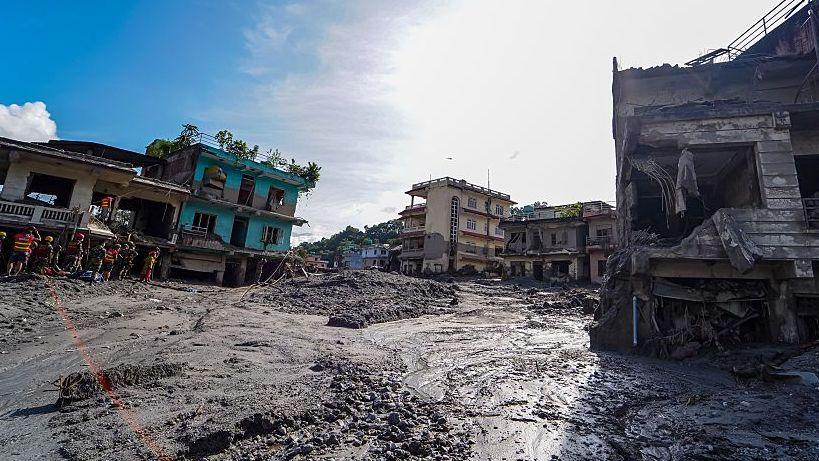
In the wake of last month’s deadly floods, Nepal’s leaders have turned a new weapon against the rising tide of online abuse aimed at grieving families. Prime Minister Balendra Shah has declared that those who “belittle” victims will be treated as criminals, and police are tracing the origins of hostile comments to uncover identities. The government’s Electronic Transactions Act allows fines of up to 100,000 rupees and five‑year custody for social‑media defamation, while civil‑society groups warn that rage‑baiting and political zealotry have amplified extremism. Amid the legal measures, survivors continue to seek speedier rescue operations and emotional support, while the country debates the balance between free speech and protection of vulnerable communities.
In the aftermath of last month’s devastating floods, Nepal’s leaders are taking a hard line against the rising tide of online abuse aimed at grieving families. Prime Minister Balinda Shah warned on Facebook that those who “belittle” victims will be treated as criminals, bolstering an existing legal framework that allows fines of up to 100,000 rupees and up to five years in prison for social‑media defamation.
Police have formed a ten‑member committee to trace hostile comments back to their source, identifying addresses and phone numbers. Amid this crackdown, a woman whose brother vanished after the floods posted that rescue efforts were too slow, only to receive a slew of nasty remarks that added to her pain. She later lamented that “this has only added to our suffering.”
A viral clip from another bereft family’s spokesperson—who demanded the government find her missing husband—re‑ignited a flurry of insults, ranging from urging her to “jump into the river” to claims that “not everything happens just by you putting the blame on the government.” Yet some comments criticized the lack of empathy, urging comfort over condemnation.
Digital‑rights advocate Dovan Rai of Body & Data warns that some of the hateful comments may stem from “rage‑baiting” tactics or fervent government supporters, who amplify extremism and polarise online discussion. The Nepalese government’s recent measures highlight a broader struggle to balance free speech with protection for those traumatized by natural disasters.