Philippine President Ferdinand Marcos has announced efforts to secure new sources of oil after declaring a state of national energy emergency due to the escalated situation arising from the war in Iran.
In a televised address, Marcos assured Filipinos that the government would procure one million barrels of oil, enhancing the current supply that currently caters to the nation's needs for 45 days. We will have a flow of oil. Not just one delivery, not two deliveries, but a flow of oil-related products, he stated.
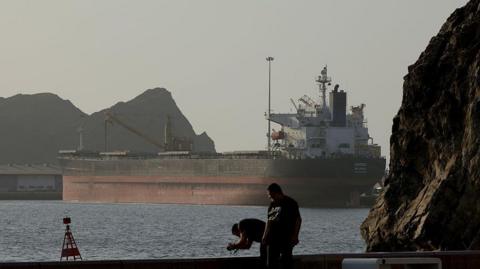
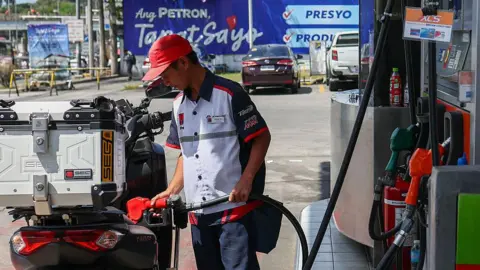
The Philippines, which depends on imports for 98% of its oil, has become the first nation to declare such an emergency following significant increases in local diesel and petrol prices, which have more than doubled since the onset of the war on February 28.
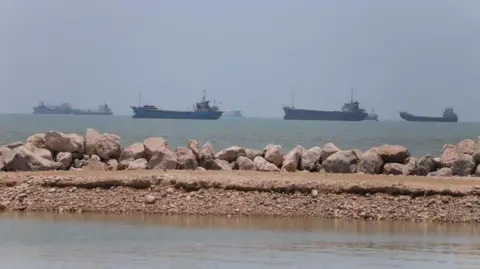
The conflict between the U.S. and Iran has intensified challenges for global energy markets, leading to shortages and price spikes. Marcos emphasized that the emergency declaration grants the government legal authority to implement necessary measures to stabilize energy supplies and protect the economy.
Nothing is off the table. We are looking at everything we can do, whatever suggestion, whatever idea, he remarked.
In conjunction with the emergency measures, Manila is engaging with Washington to explore exemptions enabling the import of oil from U.S.-sanctioned countries. The government has established a committee to oversee the fair distribution of essential goods and has been granted authority to purchase fuel and petroleum products directly.
The emergency will remain effective for one year unless altered by the president. This step follows calls from various senators highlighting the emergency-level difficulties faced by families coping with soaring oil prices.
While some support the government's initiatives, labor groups, including the Kilusang Mayo Uno (KMU), have criticized the declaration as an admission of failure to address the ongoing crisis effectively and raised alarms over provisions that they believe would limit workers' rights to protest.
Meanwhile, significant transport unions are preparing for a two-day strike to voice their dissatisfaction over the government's perceived slow response to the fuel price crisis and are demanding fare increases, wage hikes, and policy changes affecting fuel taxation and deregulation.