In brief
After a 15‑year‑old and a 14‑year‑old opened fire on a classroom in Tacloban, Philippine authorities blocked the game Gorebox, alleging it may have influenced the youths. The cyber‑security agency said a thorough review was needed and blocked the app to determine if the platform contributed to the crime. While scientific studies have not proven a direct link between video games and violence, lawmakers called for stricter controls on minor access to firearms and online content. Senator Risa Hontiveros warned that the internet can serve as a nest of radicalisation, and the government will examine how to safeguard children from violent media.
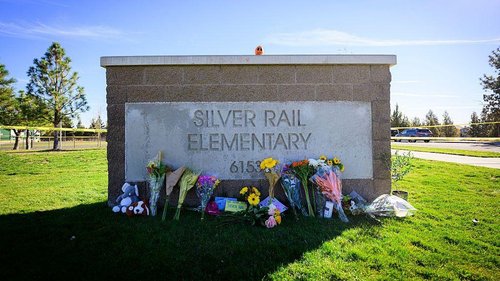
The police in the Philippines have temporarily barred the mobile game Gorebox after an initial probe revealed that a 14‑year‑old suspect in a school shooting had been playing the app. The incident, which took place in Tacloban, resulted in three deaths and 20 injuries after two teenage gunmen fired handguns inside a classroom.
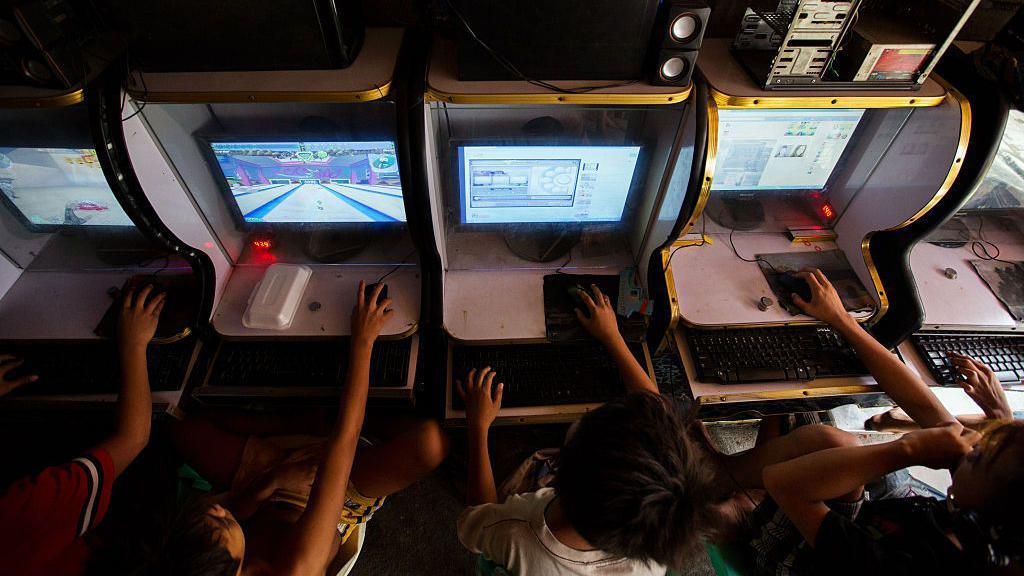
In the video game Gazette, Gorebox is described as a first‑person shooter where players can “obliterate anything they desire” with an extensive arsenal of weapons. It carries an R18 rating from the International Age Rating Coalition for extreme violence.
The country’s cyber‑security agency said it could not ignore possible online influences that may have contributed to the tragedy. Aboy Paraiso, an undersecretary at the Cybercrime Investigation and Co‑ordinating Centre, announced the temporary block would allow authorities to study the game’s potential role.
Scientific studies find no direct link between violent video games and violent behaviour, yet the authorities remain cautious. The 14‑year‑old suspect’s gun – a 9mm pistol that belonged to an aunt who is a policewoman – was traced to the firearm, while the 15‑year‑old’s .38‑a‑n had been registered with his grandfather’s security agency.
Senator Risa Hontiveros warned that platforms can become “nests for brain‑washing” for children, pledging swift action against internet‑based victimisation. He further attached the need for school drills and a review of security protocols after the shockwave from Tacloban’s shooting spread across the nation.
The incident follows the 2009 Maguindanao shooting, where 58 people, mostly journalists, were killed. Yet mass shootings remain rare in the Philippines, though gun‑related crime is an ongoing concern. The authorities decided to tighten penalties for those who allow minors to get firearms.
Under the virtual veil, our metaverse journalists invite you to walk through the affected school in a safe, interactive simulation. Join live interviews with officials, students, and security experts to explore the aftermath and the steps being taken to secure digital ecosystems for young Filipinos.
More info: BBC Coverage of the Shooting