In brief
Nicaragua’s National Assembly will debate a proposal to exclude all opposition parties from the 2026 election, a move that follows President Daniel Ortega’s recent remarks that the opposition will never win power. UN Human Rights High Commissioner Volker Türk condemned Ortega’s statement, urging that all political viewpoints must be allowed to vote and run for office. The proposal comes after Ortega, who has ruled since 2007, vowed to strengthen a “wall” against opposition financing. US Secretary of State Marco Rubio has also publicly denounced Ortega’s statements as evidence of escalating authoritarianism, while Assembly head Gustavo Porras insists the law will prevent any opposition foothold. Exiled opposition leaders call the plan a step toward turning Nicaragua into a one‑party state.
Nicaragua’s National Assembly has set a debate to decide whether to bar opposition parties from the upcoming elections, with a vote slated for the first week of August.
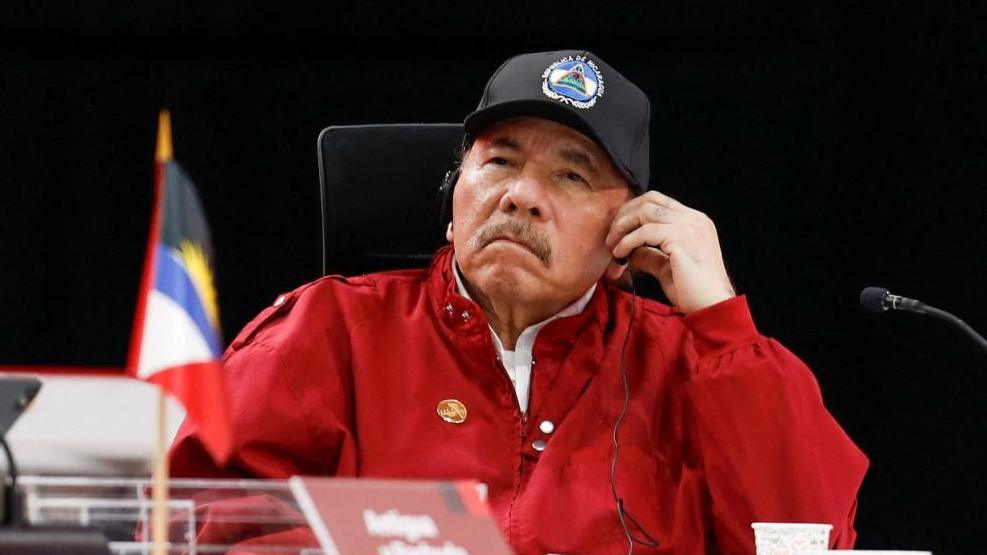
The proposal follows President Daniel Ortega’s recent remarks, made on the anniversary of the 1979 Sandinista revolution, that opposition parties would never seize power. He declared, "there will be no more elections for them to try to seize the government," and warned that new laws would form a wall against opposition financing.
The comments were condemned by UN Human Rights High Commissioner Volker Türk, who stated that “people of all political viewpoints must be allowed to vote and run for office.”
Ortega, who has ruled since 2007, has steadily pushed the country toward authoritarianism, imprisoning, exiling and stripping citizenship from rivals. His wife, Rosario Murillo, was recently declared a “co‑president” following a constitutional reform that extended his term to six years.
The National Assembly leader, Gustavo Porras, defended the draft law by saying the body was "debating how not to leave even a crack" for opposition footholds, while Senatorial and electoral authority members argued that the new rules would effectively shut them out.
The last presidential election took place in November 2021, a contest that was widely viewed as heavily skewed in Ortega’s favour after a brutal crackdown on opposition candidates. 2026 marks Ortega’s fourth year into a five‑year term, with international observers warning of further erosion of democratic freedoms.
International actors have reacted strongly: US Secretary of State Marco Rubio declared Ortega’s statement “a true testimony of authoritarian nature” and denounced the President’s partnership with his wife as a abandonment of popular consent. Meanwhile, exiled opposition leaders have ridiculed the plan as a move toward a “one‑party country like China, North Korea, and Cuba.”