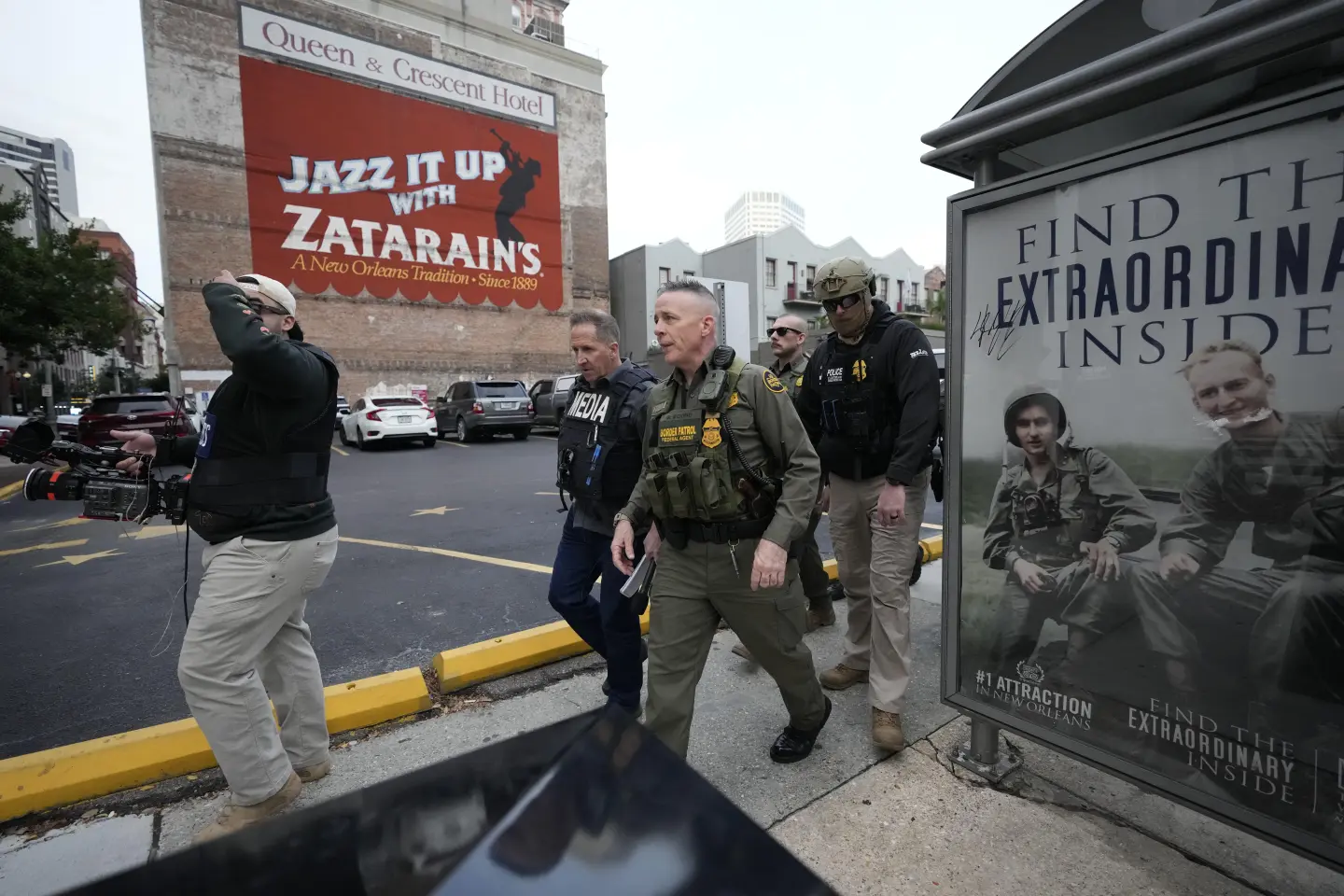
NEW ORLEANS (AP) — The Trump administration's recent immigration crackdown in New Orleans is drawing scrutiny after officials set an ambitious target of 5,000 arrests, primarily focusing on violent offenders. Local leaders, however, are questioning the achievability of this goal.
During a two-month enforcement period, federal agents aim to outpace the previous Chicago blitz, where a larger immigrant population saw about 5,000 arrests last summer. New Orleans, with a significantly smaller foreign-born population of roughly 100,000 residents, raises doubts among city leaders.
City Council President J.P. Morrell voiced concerns, stating, There is no rational basis... to suggest that New Orleans could yield anywhere near 5,000 criminals, particularly violent ones.” Notably, crime in the city has sharply decreased, contradicting the narrative of immigrant-driven violence.
A Flood of Arrest Reports
As federal agents canvass the city, reports have surfaced of arrests being made in ordinary locations like home improvement store parking lots. Community voices like Alejandra Vasquez, who monitors federal activity, reported receiving numerous accounts of arrests, asserting that many victims are everyday workmen rather than criminals.
The endeavor, termed Catahoula Crunch, involves hundreds of Customs agents and is supported by local Republican leaders who argue that Democrats' 'sanctuary city' policies endanger communities.
Public Resistance and Protests
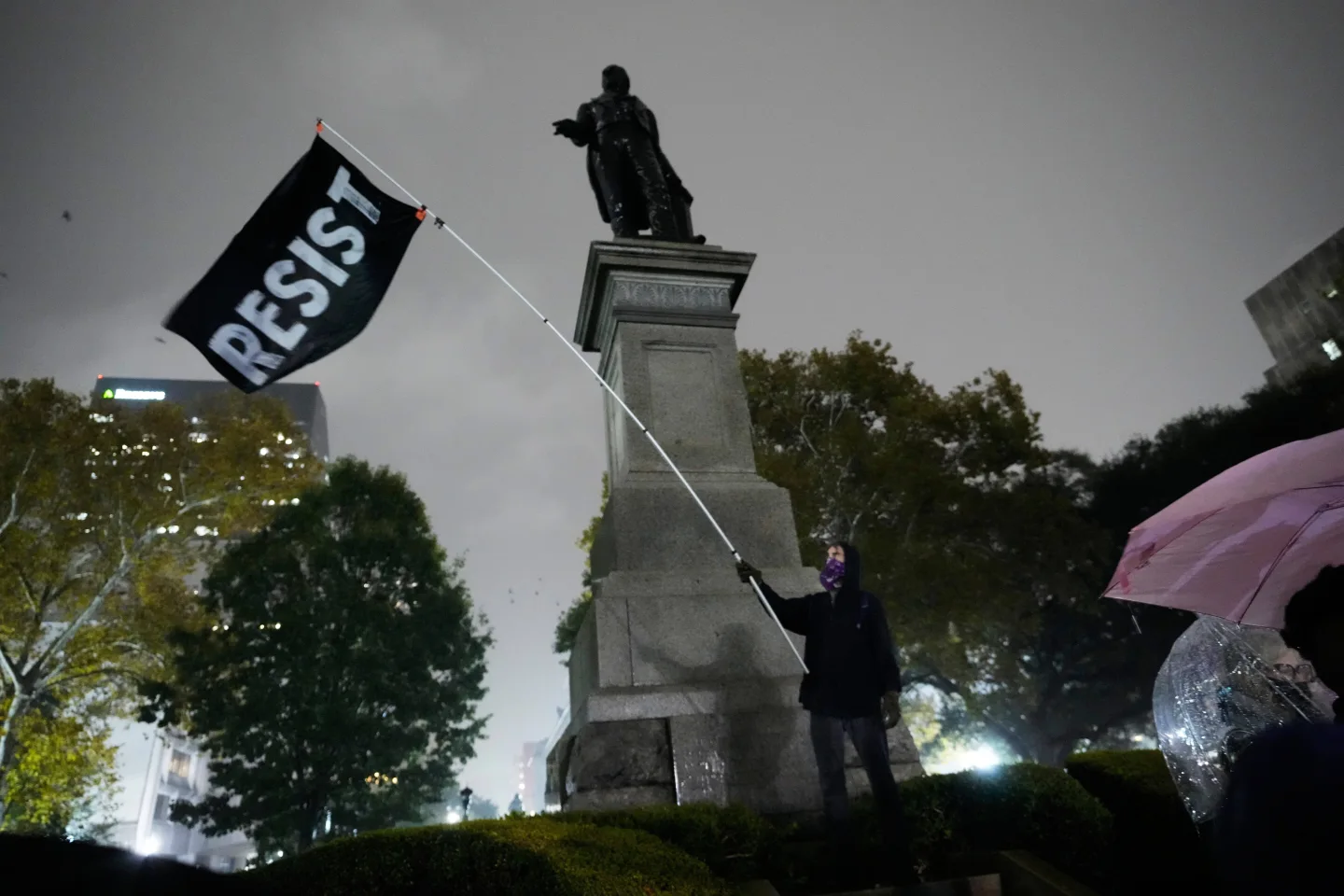
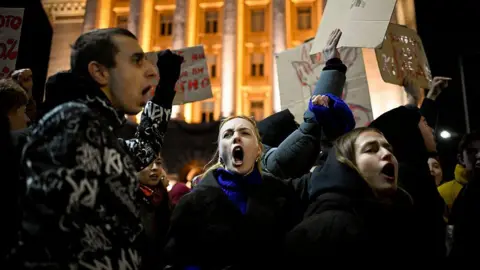
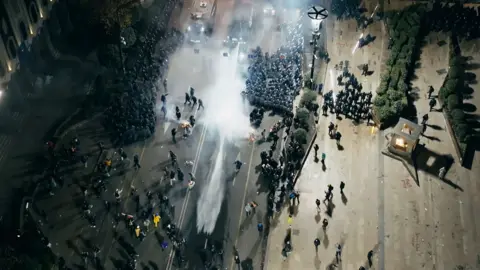
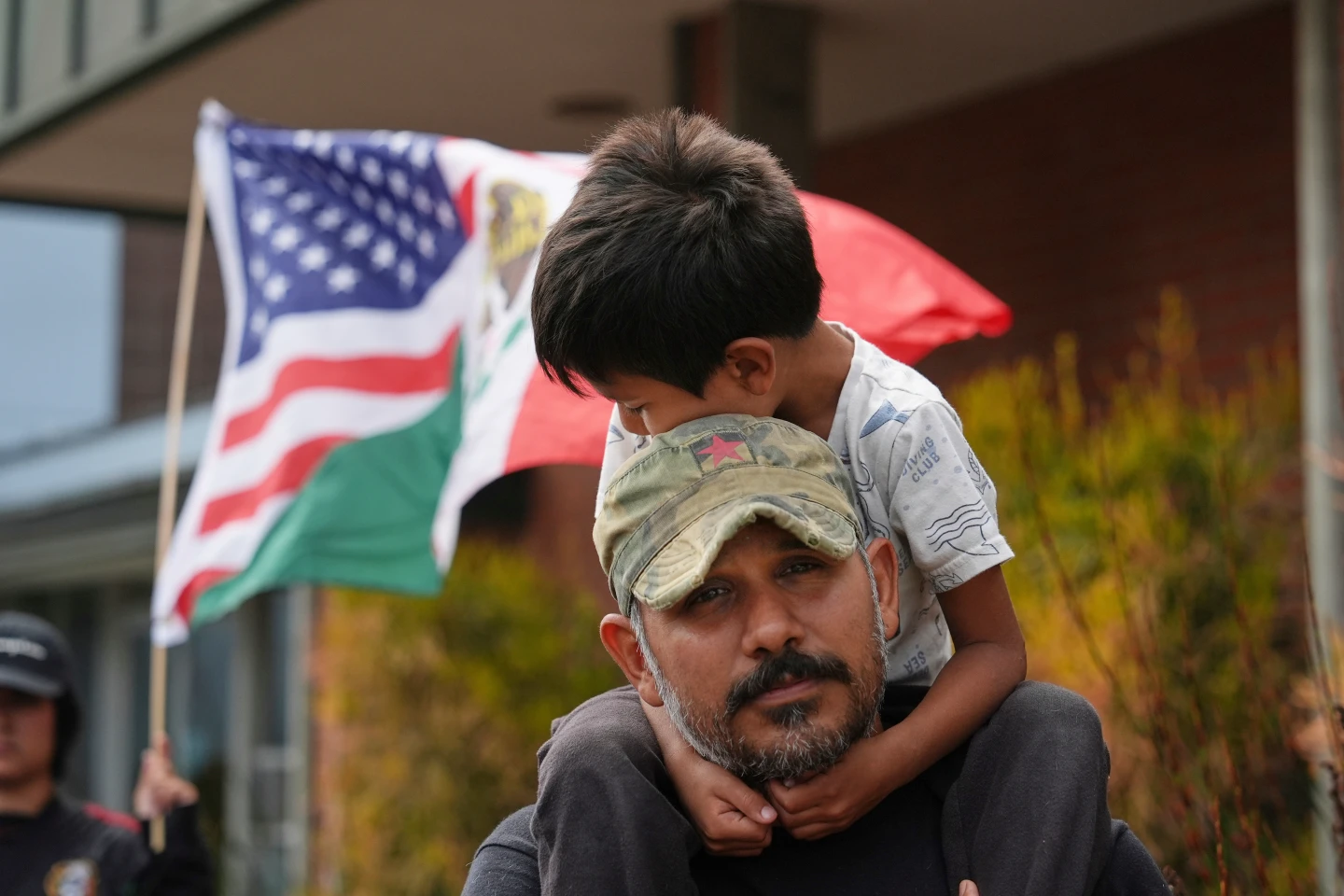
Resistance from the public was evident when protesters chanting Shame were forcibly removed from a city council meeting, a testament to the growing discord surrounding the crackdown. Critics fear that the operation will result in the detention of innocent individuals, with City Council member Lesli Harris stating, “What we’re seeing instead are mothers, teenagers, and workers being detained.”
Operation reviews from previous crackdowns, such as Chicago’s, show that a high percentage of those arrested had nonviolent or minor offenses, undermining claims of targeting serious criminal threats. Commentators stress that the immigration system should be treated as a civil matter rather than a criminal one, highlighting the potentially destructive social effects of mass arrests.
In conclusion, as the operation unfolds, the community remains divided between supporting enhanced security and protecting individual rights—underscoring the complex dynamics of immigration reform in America.