The rise of AI-generated content is a pressing issue as misinformation spreads rapidly, particularly in light of breaking news events like the Iran conflict. With the U.S. and Israel's military actions against Iran leading to a wave of misleading digital content, researchers have found a disturbing increase in manipulated visuals. These include fabricated footage of non-existent bombings and distorted images of military operations that serve various propaganda purposes.
The Institute for Strategic Dialogue highlights that numerous accounts on platforms like X have accrued over a billion views through AI-generated posts. The implications are severe, challenging audiences to discern truth in an era where 'seeing is believing' has lost its weight.
Today, as we commemorate the 10th International Fact-Checking Day, it’s an opportune moment to reflect on the tools and strategies that can empower the public in navigating a sea of misinformation:
Visual Cues Matter
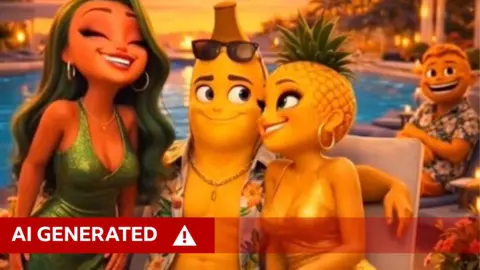
Once upon a time, spotting AI-generated images was easier; telltale signs often involved oddities such as unnatural numbers of fingers or asynchronous audio-visual elements. However, technological advancements have blurred these identifiers. Watch for inconsistencies like an object vanishing between frames or absurd visual distortions.
Find the Original Source
A simple reverse image search can help trace the origins of dubious content. Confirming authenticity through original postings can lead to unmasking altered images or fabricated scenarios.
Trust Verified Experts
Consult multiple reliable sources to validate the authenticity of an image or video. Established fact-checking organizations often deploy advanced methods to discern truth from deception.
Embrace Technology
Leverage the various AI detection tools available. Google has integrated a watermarking technique in its Gemini app that can assist in identifying generated images. However, be cautious as technology isn't foolproof; a watermark's absence does not equal authenticity.
Practice Caution
Before sharing content, pause to evaluate its credibility. Comments from others on the same post can yield valuable insights into its legitimacy. Ultimately, maintaining skepticism about every viral image is prudent as distinguishing genuine content from AI creations becomes increasingly challenging.
Report false content to us at this address. As we navigate this complex digital landscape, staying vigilant can aid in combating the spread of misinformation generated through AI technologies.
Explore more fact checks here: AP Fact Check.