
Nausea in Electric Cars: Why Some Passengers Get Sick
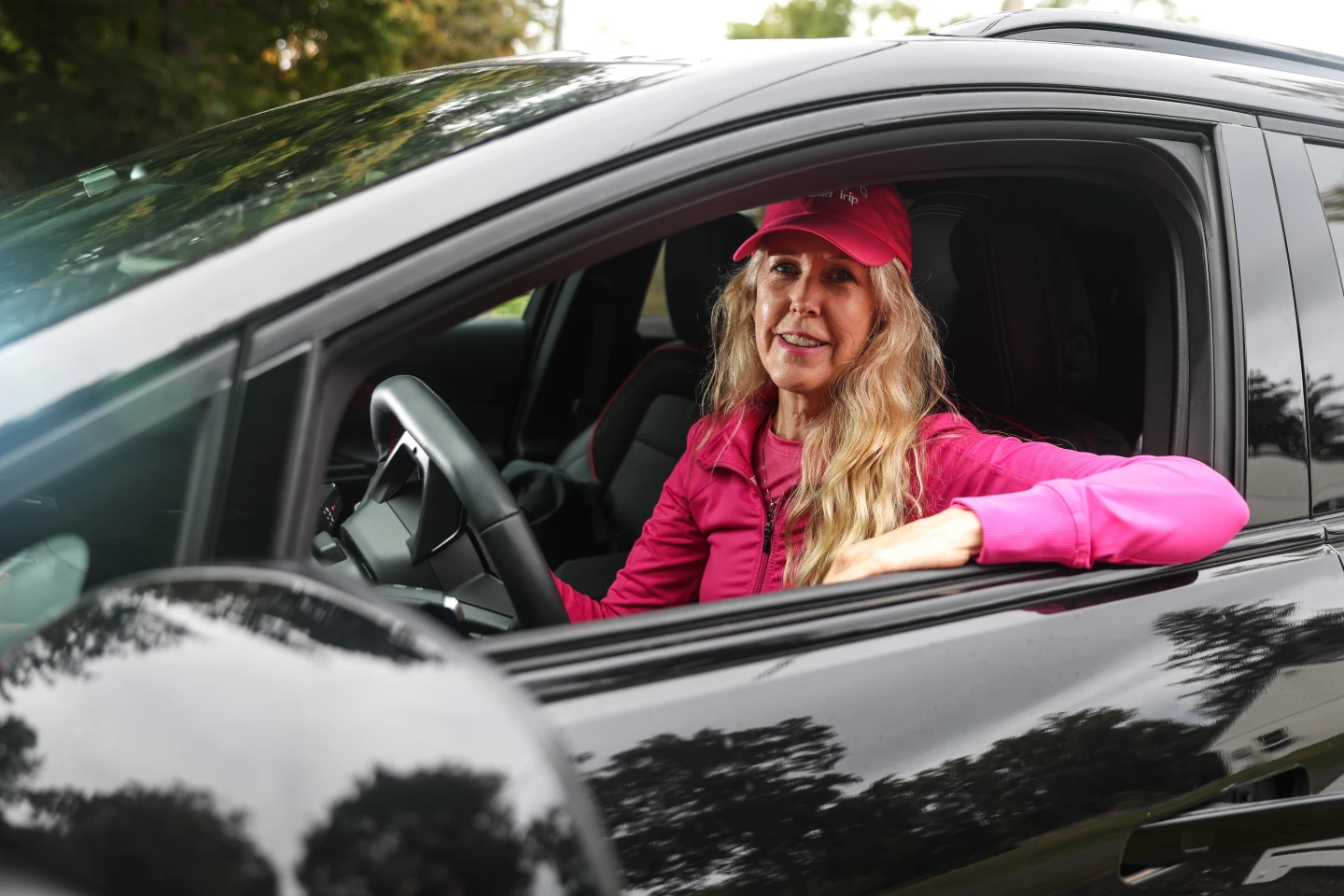
Electric vehicles (EVs) have become universal symbols of sustainability, yet a growing number of passengers report feeling sick while riding in them. Drivers normally enjoy a quiet, smooth ride, but their partners, children and other passengers sometimes experience nausea or vomiting during travel.
Clinical opinions suggest the root cause lies in how EVs move. The absence of engine noise and vibration deprives the body of familiar motion cues; the system that slows the car through regenerative braking can feel jarring if not timed smoothly; and the rapid acceleration characteristic of modern EVs may catch the inner ear off‑balance.
Experts note that the mismatch between visual motion, vestibular input and bodily sensations is the classic trigger of motion sickness. While manufacturers are starting to add subtle seat vibrations and sound cues, the research is still in its infancy, and some studies recognise only anecdotal evidence.
How to Stay Calm on a Quiet Ride
Passengers can adopt a few proven tactics. Position yourself in the front seat or the middle of the back to keep visual focus on the road, keep your head steady against the headrest, open windows for fresh air, and avoid looking down at a phone or a book.
Other measures include smoothing your breathing, staying hydrated, getting adequate sleep before long trips, and, if necessary, using motion‑sickness medication that does not cause drowsiness.
Future Design Fixes
Automakers are exploring ways to mitigate the issue, such as developing software that moderates acceleration spikes, adding sound generators to simulate engine hum, and adaptive braking systems that reduce abrupt deceleration.
The growing demand for electric cars—recording a 40.5% rise in new zero‑emission registrations in mid‑2026—means the industry is under pressure to resolve passenger discomfort before it deters broader adoption.
For now, the most practical answer for those experiencing symptoms is to adjust seating position and focus, or to switch to a traditional combustion vehicle while experts work toward long‑term design solutions.