NCERT Uncovers Backlash, Restores Ancient "Dancing Girl" Image in School Textbook
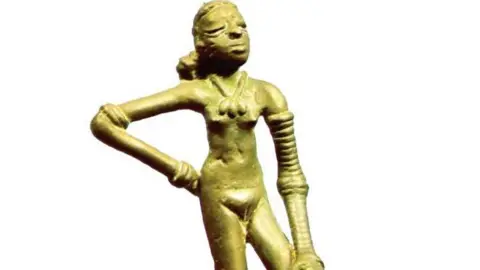
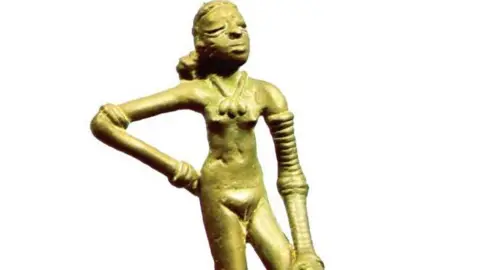
A new grade‑nine NCERT textbook for India’s Class 9 had drawn ire when it displayed a shaded version of the iconic bronze “Dancing Girl” figurine from the Indus Valley civilization. The cover—originally taken from Mohenjo‑daro by archaeologist Amar S. D. Shloka—features a young woman standing with one hand on her hip, her torso obscured by dark shading that effectively erased her anatomical detail.
The move prompted historians and educationist community leaders to accuse the National Council of Educational Research and Training (NCERT) of disfiguring a key cultural artefact. In response, the NCERT director of education, Dinesh Saklani, confirmed that the edited image would be removed from the textbook and that the original, unedited picture would be re‑integrated into both print and digital editions. The board also stated that the new edition would allow students to see the sculpture “as it is.”
The incident is part of a broader debate on how educational institutions present visual media. Critics argue that censoring the sculpture undermines the learning experience and fails to acknowledge the confidence and poise embedded in a thousand‑year‑old depiction. Supporters of the change maintain that concerns over nudity or cultural sensitivities require cautious handling of historical imagery.
The “Dancing Girl” figurine has long appeared in Indian schoolbooks and museum displays. It is housed today in the National Museum in Delhi and is renowned for its artistic value and evidence of early metallurgy in the Indus Valley civilization.
Related Resources
• NCERT textbooks: Why some Indian scholars are disowning books they wrote
NCERT