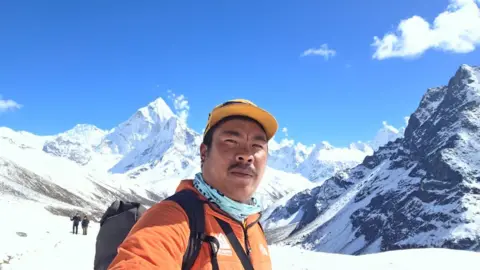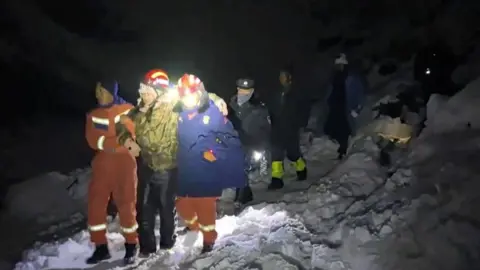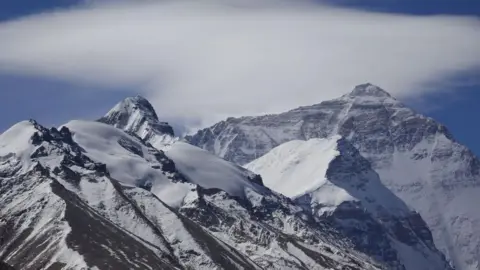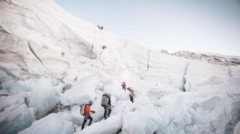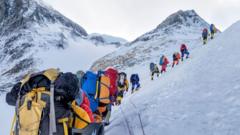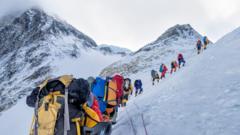
On 10 June a cleaning crew turned a routine rubbish sweep of Mount Everest’s upper slopes into a harrowing rescue scene when they spotted a 57‑year‑old guide, Hillary Dawa Sherpa, crawling at the foot of the hazardous Khumbu Icefall. Five days earlier the guide had been lost in a descent at about 7,500 metres, and preliminary reports suggested he was dead. His family had already begun funeral rites before the clip of the stranded climber appeared on the internet and sent shockwaves to the mountaineering community.
Dawa survived poor conditions, with no oxygen for two days, chewing ice, eating chocolate and scraping out of a crevasse before he was found by the cleaning team. He was airlifted to a hospital in Kathmandu where he is recovering in a general ward. The survival story made international headlines and raises burning questions over the safety practices of high‑altitude tourism operators.
HTA, the company that hired Dawa to serve as a camp cook before storming the summit, claims that all procedures were properly followed and that adverse weather delayed rescue. Critics, however, allege that the client group was instructed to sit at Camp 3 because of fainting and run‑out of oxygen, and that the search began only after days of delay. Dawa’s family, fellow guides, and members of the expedition have filed police reports and called the operator’s negligence into question.
The guide’s case is not isolated. Travel guide‑operators often offer low‑price packages that do not provide the fully experienced guides that clients expect. In this expedition, a replacement guide was installed at the last minute, and critics hold that both visitors and local guides were abandoned by the company, sparking calls for a review of licensing and organisational accountability.
As the review proceeds, Nepal’s tourism department is investigating the incident and a policing officer, the highest authority over trekking activities, has requested evidence of an early search launch. The tour operator maintains that only weather conditions prevented a timely search. Critics frame the event as evidence of a broader problem: the mounting pressure of high‑altitude trekking and the mis‑management of Sherpa welfare.