In brief
A suitcase discovered on a remote road near Oallen, 230 km southwest of Sydney, sent traffic police’s attention when two men believed it held a body. By Monday, officials confirmed a murder lead, only to retract it after forensic analysis revealed a lifelike doll disguised with clothing and markers mimicking bruises. The investigation, spearheaded by Hume Police District, concluded the item was not human, and the cases were closed. Witnesses, arrested for reporting the find, were struck by the revelation. The incident highlights the importance of accurate scene assessment and careful handling during investigations.
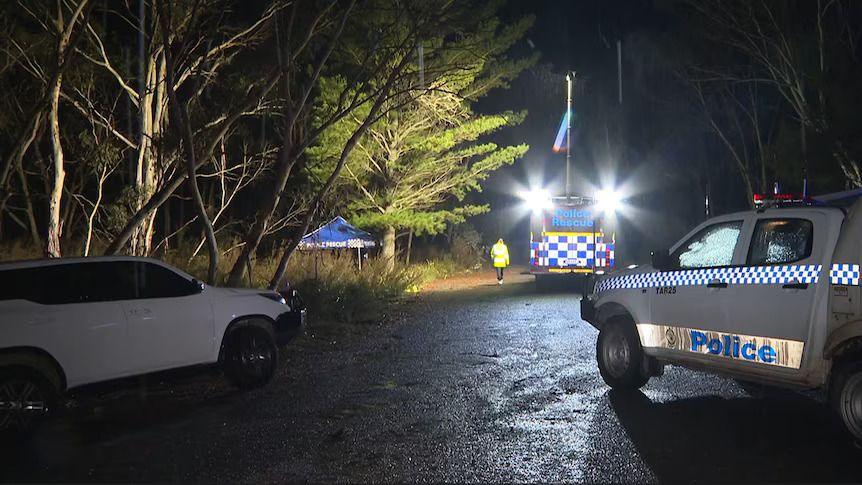
A packet of startling news arrived on the Oallen road in New South Wales when two men stopped to rest and found a sealed suitcase on the side of a quiet highway. Police were immediately alerted, assuming a body inside, and a murder investigation was publicly announced that same morning.
By afternoon the situation had reversed: forensic experts – a team under the Hume Police District – confirmed the contents were not human, but a lifelike doll that had been carefully crafted to mimic real human tissue, complete with hair, a nose piercing, and “bruises” and “grazes” painted on the face.
The process: Supt Linda Bradbury reported that teams had moved the suitcase to a controlled location, preserved the scene and applied standard line‑up protocols. Even so, the doll’s realistic appearance sparked a mix of genuine concern and disbelief among witnesses, who remain under support from the police after the case closed.
While the incident initially carried the weight of a potential homicide, the true narrative proved to be one of unforeseen horror – an artificially convincing object that temporarily fooled law‑enforcement experts into thinking it was a human victim.
Forensic evidence ultimately determined the suitcase contained a realistic doll, not a body.