In brief
On its National Day, Liechtenstein announced a shift from male primogeniture to absolute primogeniture, enabling daughters to succeed on the throne. The law applies to the future descendants of Prince Alois and Princess Sophie, but the current line remains unchanged. This mirrors the 2011 UK reform and marks a significant step toward gender equality in European monarchies. The principality, with 44,000 residents, continues its tradition of strong royal influence over national affairs.
On the nation’s 100‑th National Day, the Principality of Liechtenstein announced that its succession laws have changed. The law moves from male primogeniture to absolute primogeniture, meaning that the first‑born child of the heir, whether male or female, will become the next Prince or Princess in line.
The decree does not alter the current succession: Hereditary Prince Alois, who has carried out many official duties since 1989, remains the heir apparent, and his eldest son retains the position of Crown Prince. The change will take effect only for the descendants of Prince Alois and his wife, Hereditary Princess Sophie.
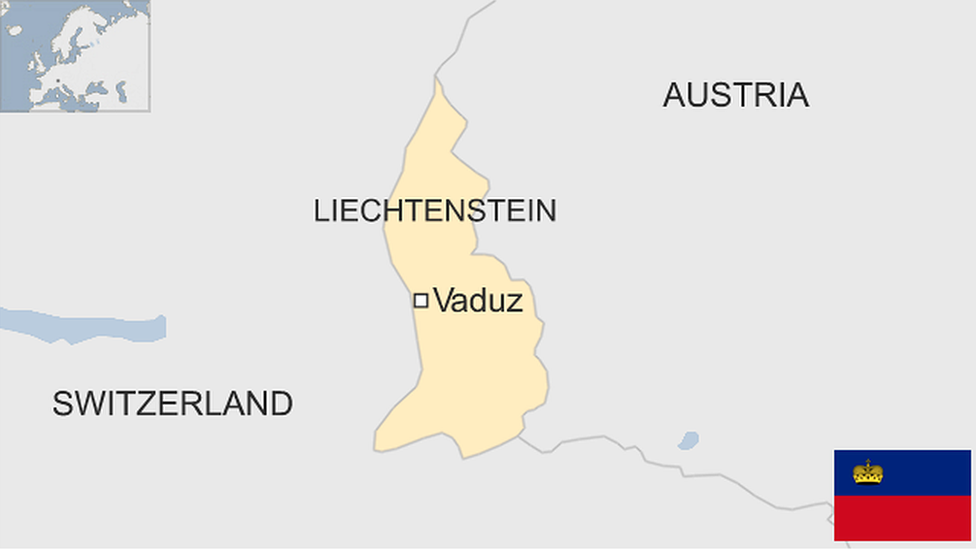
Prince Alois expressed that the measure ensures the principality is led by the most prepared individual. Liechtenstein, a doubly land‑locked country between Switzerland and Austria, holds considerable royal powers, unlike many European monarchies.
A similar reform occurred in the United Kingdom in 2011, when the Succession to the Crown Act shifted the throne to the first‑born child regardless of sex.