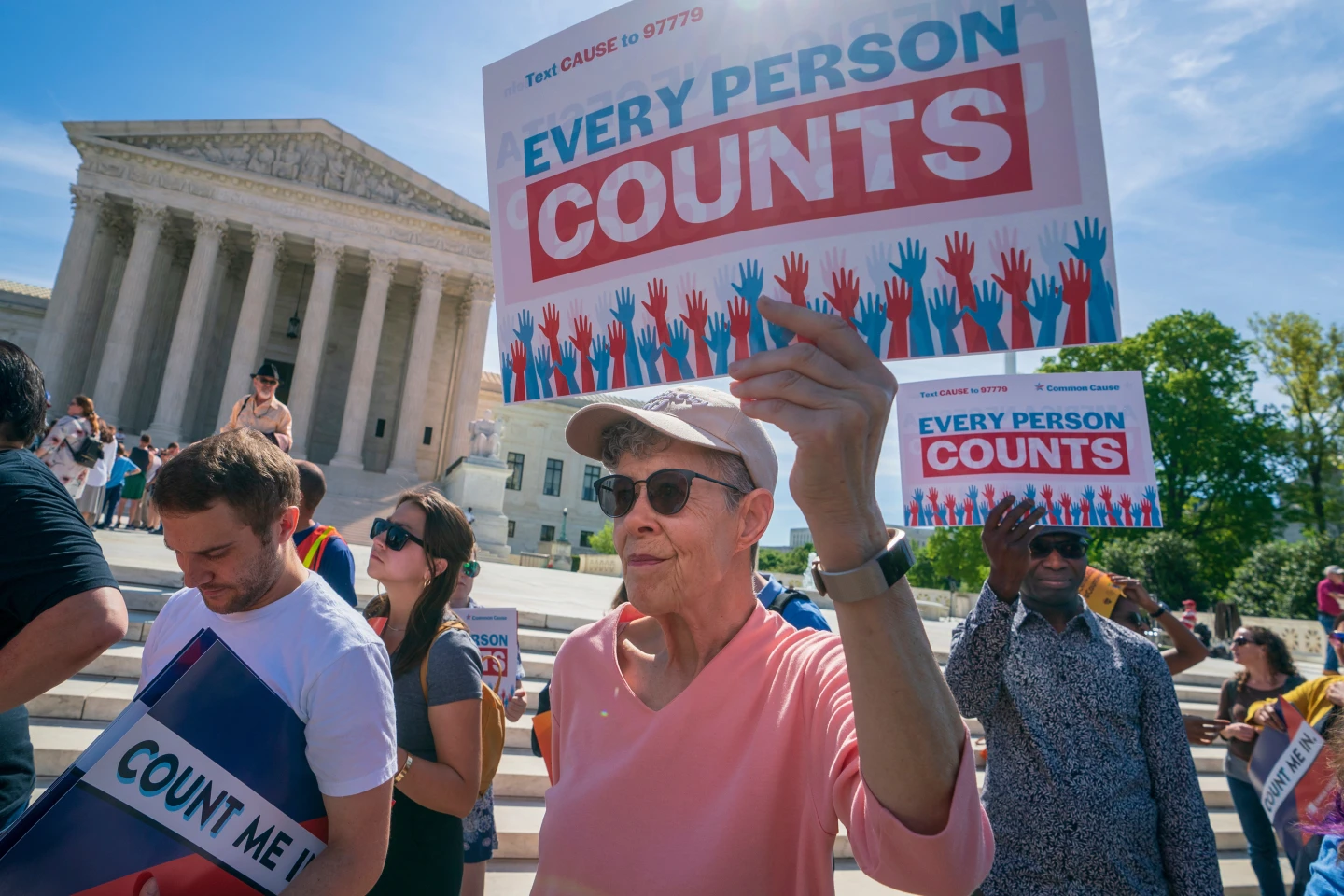
ORLANDO, Fla. (AP) — The next U.S. census is merely four years away, yet two lawsuits currently making their way through the legal system may significantly influence its execution and the populace counted.
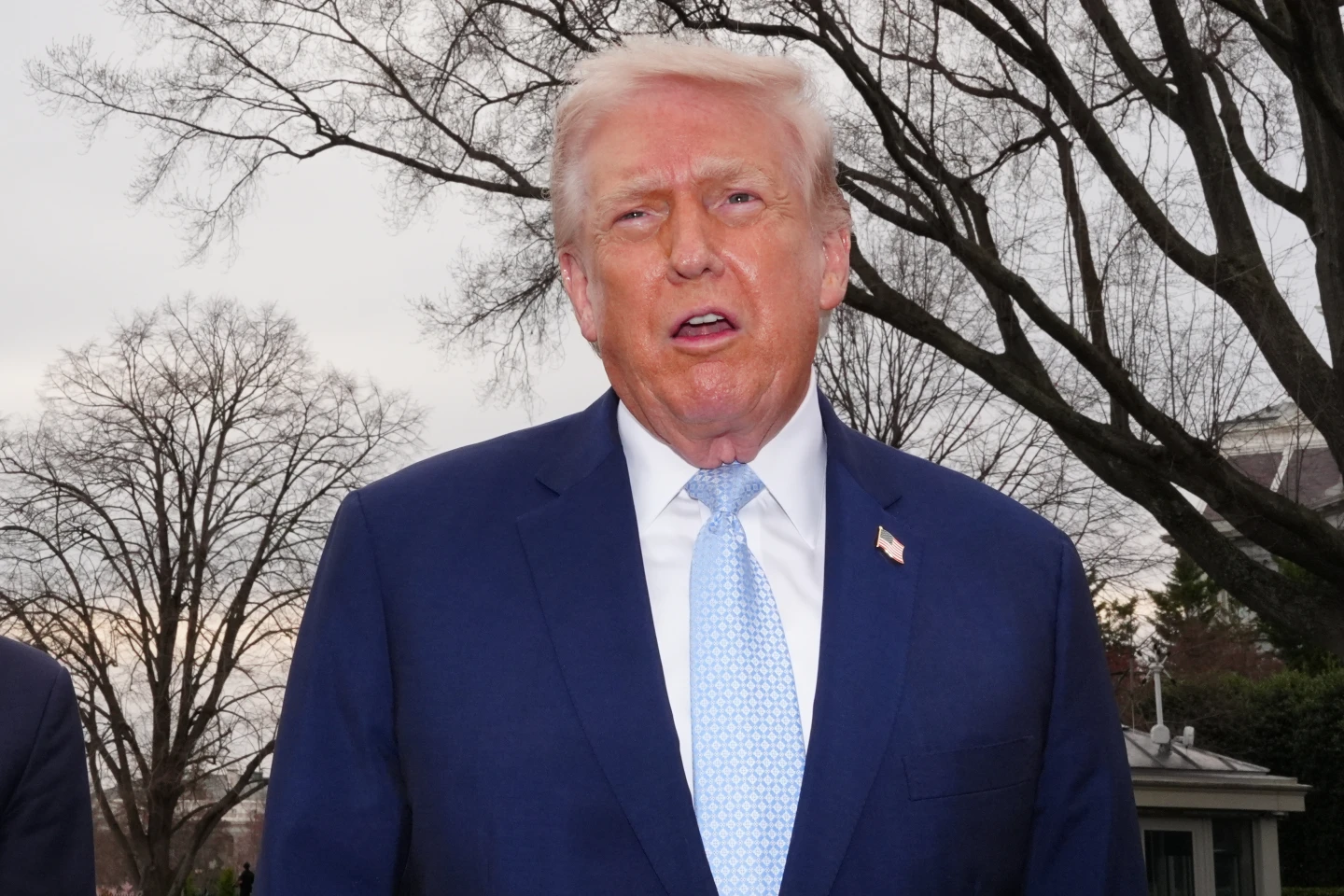
Allies of President Donald Trump have initiated federal lawsuits challenging various aspects of the decennial count conducted by the U.S. Census Bureau. This count plays a crucial role in determining congressional representation and the distribution of federal funding to states.
These legal challenges align closely with significant elements of Trump's agenda, even as the Republican administration faces the task of defending the bureau in court. In response, a Democratic law firm is stepping in to ensure robust legal representation for the Census Bureau due to concerns regarding the Justice Department's commitment to the defense.
The Legal Challenges
One lawsuit, spearheaded by America First Legal (co-founded by Stephen Miller, a former White House advisor), contests the Census Bureau's approaches to privacy protections and counting individuals in group-living facilities such as dormitories and nursing homes. Its aim is to halt these methods for the upcoming 2030 census and to demand revisions to the 2020 count.
Furthermore, a separate lawsuit in Louisiana, brought forth by four Republican state attorneys general alongside the Federation for American Immigration Reform, endeavors to exclude individuals who are in the United States illegally from the count crucial for redistricting.
As these cases progress, outside parties represented by the Democratic-aligned Elias Law Group are intervening, fearing that the Justice Department will not adequately contest the lawsuits.
Aligning With Trump's Agenda
The goals of these lawsuits, particularly the one from Louisiana, coincide with core tenets of Trump's previous policies, although he will not be in office during the 2030 census. Initiatives to exclude undocumented individuals from apportionment have been recurrent themes in past Trump administration discussions. The Census Bureau has been adapting its strategies, influenced by administrative directives and proposed legislation focused on counting practices.
Defending the Census Bureau
The legal threats reflect broader political skirmishes that could transform the foundational methods used for the census. The outcomes will not only determine congressional representation but also the distribution of approximately $2.8 trillion in federal funds across states.
For ongoing updates on these developments, follow journalist Mike Schneider on the social platform Bluesky: @mikeysid.bsky.social.