In brief
A recent investigation by China Labor Watch has revealed potential exploitation of workers at the factory producing the popular Labubu dolls. Allegations include excessive overtime, uncompleted contracts, and a lack of paid leave. Pop Mart, the parent company, is conducting an investigation into these claims and stresses their commitment to ethical labor practices.
A labour rights organisation claims it has found evidence of worker exploitation in a Chinese factory that makes the viral Labubu dolls.
China Labor Watch (CLW), a US-based non-governmental organisation, alleges that its investigation found that one of Pop Mart's suppliers made employees work excessive overtime shifts, sign blank or incomplete contracts and did not give them paid leave.
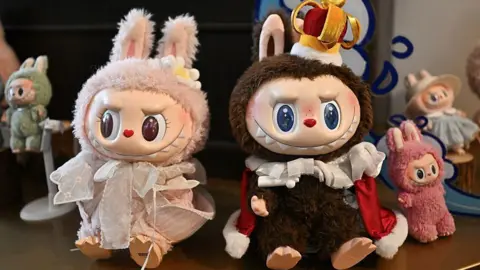
The furry Labubu dolls have surged in popularity around the world in recent years and are best known for selling toys in blind boxes, which hide its content from buyers until it is opened.
Pop Mart told the BBC that it is investigating the claims.
The Beijing-based toy retailer said it appreciated the details from the review and that it will firmly require companies making its toys to correct their practices if the allegations are found to be true.
Pop Mart added that it conducts regular audits of its suppliers, including yearly independent third-party reviews carried out by internationally recognised inspectors.
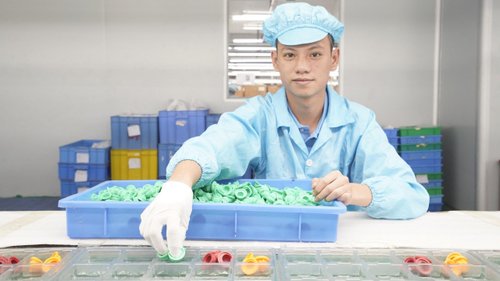
CLW said in its report that it had carried out the in-depth probe into Labubu-maker, Shunjia Toys Co Ltd, in the southern Chinese province Guangdong.
The BBC has been unable to contact Shunjia Toys Co Ltd for comment.
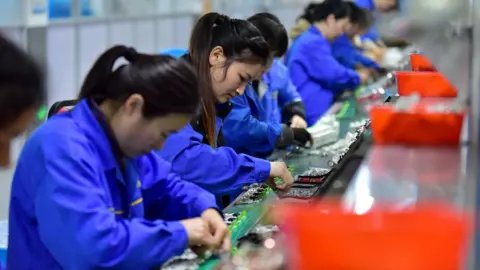
CLW said its researchers conducted 51 in-person interviews with the factory's employees to discuss matters of recruitment, contracts and their working conditions.
The factory is a core manufacturing facility of Pop Mart toys and employed more than 4,500 workers, according to CLW.
The organisation flagged labour issues at Shunjia Toys Co Ltd's factory in Xinfeng County, including what it said were illegal overtime hours, unclear contract practices and a lack of safety training and protections.
No child labour was identified at the factory, but it had employed 16-year-old workers who were subject to the same working conditions as adults, without special care that is required under Chinese law, said CLW.
It urged Pop Mart to take immediate action to address the issues in its supply chain. The non-profit said the firm should compensate affected workers and ensure that its production line complies with Chinese labour laws and internationally recognised labour standards.
Such facilities, called original equipment manufacturers (OEM), make products according to pricing and production schedules set by the client.
As a result, labour conditions in OEM facilities are closely shaped by brand sourcing practices, said CLW.
Labubus - the fictional elf-like creatures with a row of jagged teeth have become hugely popular. The craze has sparked long queues in shops worldwide.
Celebrity endorsements from the likes of Kim Kardashian and Lisa from K-pop group Blackpink have helped Pop Mart to become a major toy retailer.
}