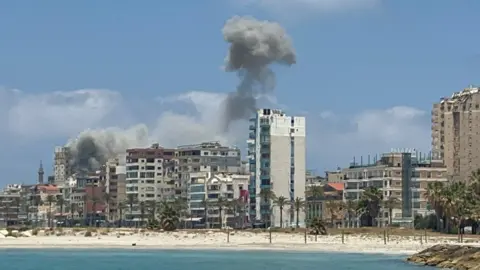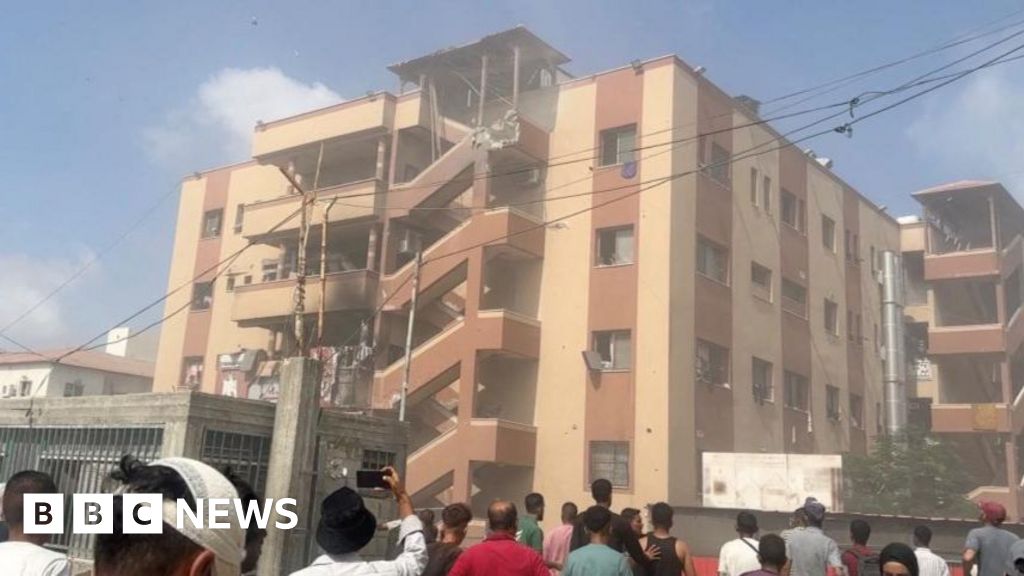
Israeli forces launched a series of air strikes on the Lebanese coastal city of Tyre on Tuesday, killing at least eight civilians and forcing thousands to abandon their homes in the newly announced evacuation zone. The military’s new order uniquely targeted the city’s Christian quarter, indicating that Israeli intelligence claimed Hezbollah fighters were operating close to the area. The operation occurred shortly after Iran’s senior military commanders warned Israel that the country would retaliate with missile launches if attacks in Lebanon continued.
The Lebanese Health Ministry recorded 32 injuries and confirmed the eight fatalities, but noted that casualty figures were provisional as rescue crews sifted through the wreckage. In addition to Tyre, an earlier drone strike in the Kfar Roummane region killed two more people. Residents fleeing the city were driven to the Zahrani River, a 30‑kilometre (19‑mile) distance northward, causing traffic jams along main thoroughfares.
The Israeli military justified the raids by citing Hezbollah’s breach of a ceasefire agreement and the group’s attacks on the northern outskirts of Israel. It also announced that an Israeli soldier had been killed by a cross‑border gunfire incident in northern Israel’s Galilee region, which its forces believed to be the work of Hezbollah elements. On a separate front, the Israeli army claimed to have neutralized a Hezbollah drone fire in the southern border town of Maroun al-Ras, targeting a new Israeli military site there.
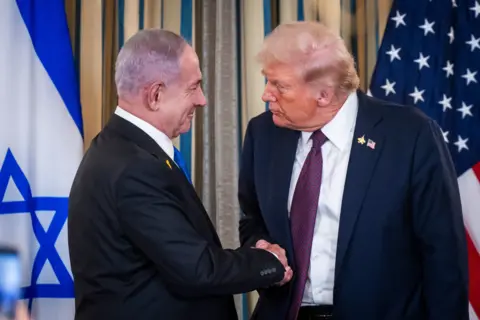
The conflict dates back to March 2026 when Hezbollah bombarded Israeli territory in retaliation for an Israeli strike that killed Iran’s supreme leader, igniting a broader war involving the United States, Israel and Iran. The United States attempted to broker a ceasefire in April, which proved fragile as Hezbollah rejected Israel’s terms for a full Israeli withdrawal. In the meantime, Iran’s armed forces launched a barrage of ballistic missiles toward Israeli targets, prompting Israel to conduct air strikes on Iranian military assets back home. The Israeli Prime Minister, Benjamin Netanyahu, said Israel had temporarily paused shelling Iran but would not cede to the struggle over Hezbollah, warning that overwhelming force would be used against any renewed Iranian offensive.
The Israel Defence Forces expanded its evacuation zone to include areas up to Bork El Chmali and south towards Rachidiyeh, as depicted in the accompanying map. The broader diplomatic situation remains tense, with the United States urging a gradual de‑escalation while demanding that Israeli actions allow for a potential negotiated settlement with Iran.