In brief
In the hills above Sebastia, Israeli forces plan to seize 450 acres of olive fields owned by Palestinian families as part of a new national park project, sparking fears of cultural and economic loss. The extension of a similar expropriation near Herodium adds fuel to the debate over archaeology as a political weapon. Unesco has warned the sites are in danger, while Israelis propose that heritage must be protected for all. Palestinian residents and activists argue the national‑park rhetoric masks settler expansion. The debate has unfolded amid calls for fairness and heritage‑rights from both sides.
In the hills above Sebastia, a disputed olive field is at risk of being swallowed by a burgeoning national park.
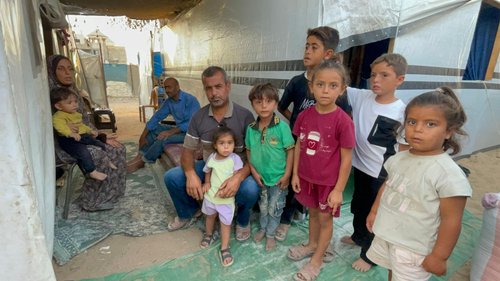
Local families, such as Abu Mudif, are receiving notifications that 450 acres of their land will be taken by Israeli authorities for a “major new national park.” Union blocks hardly pay for such expropriations, leaving Abu Mudif and many others economically and emotionally stunned.
While the project is framed as preservation, Palestinians claim it is a pretext to cut the community’s connection to the Roman–Crusader–Ottoman ruins and secure Israeli control over the site.
Unesco has listed Sebastia as a World Heritage in Danger, citing the “planned expropriation” as the main threat. The siting of a new entrance on the outskirts would bar villagers from the very center they’re supposed to help protect.
Elsewhere, Israeli forces have seized 80 acres near Herodium—an 1st‑century palace—under the banner of “preservation.” The move follows a recent law proposal that would give the heritage ministry sweeping powers to commandeer land in the West Bank. The bill is stalled for now, but the rhetoric is clear: archaeology is a tool for expansion.
Activists like Alon Arad warn that the use of archaeological narratives feeds a narrative that “rewrites history” and rewards one side’s claims to ownership.
Palestinian history caretakers such as Shmuel Brown, who runs tours at Herodium, insist that any restoration effort must include the local community. The Israeli foreign minister defends the plan, arguing that history cannot be altered by international bodies.