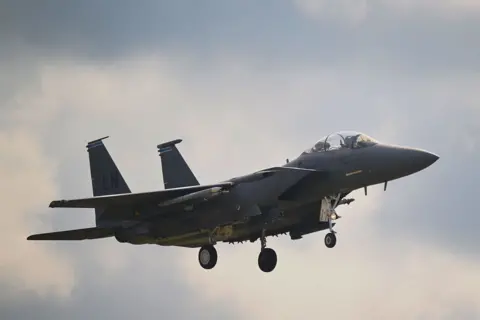
President Donald Trump had previously proclaimed that Iran was defenseless against American aircraft, boasting of the US's air superiority over the region. However, the recent downing of an F-15 Eagle substantially challenges this narrative, suggesting that Iran still retains some capability to defend its airspace.
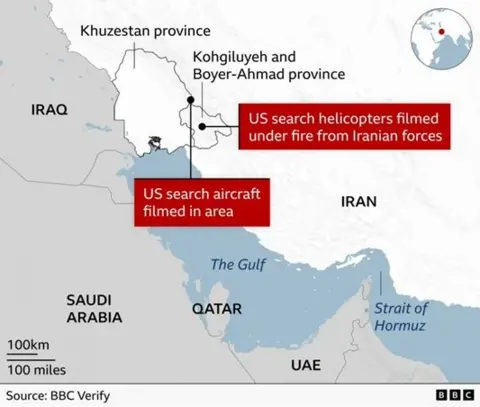
The search for the missing weapons systems officer poses significant risks with potential implications contingent on who captures him. Reports indicate that Trump's national security team has been intensely monitoring this situation, as search-and-rescue missions have faced resistance from Iranian forces, leading to injuries among the crew.
Despite public reassurances from the White House that this incident wouldn't impair negotiations with Iran, there are deep-seated concerns among security officials. The Iranian Revolutionary Guard Corps has been reportedly incentivizing local teams with a reward to locate the missing American airman, heightening worries of a potential confrontation.
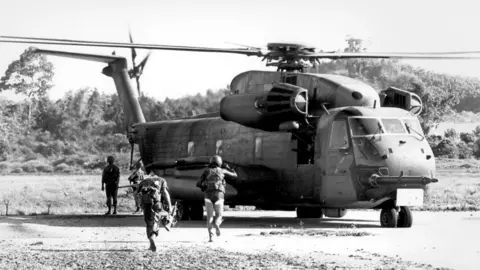
If Iranian forces successfully capture the airman, it could lead to escalated political ramifications for the US, reminiscent of historical hostage situations. The U.S.'s past responses to similar events raise difficult questions for the current administration regarding military response versus backchannel negotiations.
The unfolding situation is not just a military issue but a matter of diplomatic strategy, prompting calls from lawmakers in Washington for a reconsideration of troop deployments and Iranian conduct.
As tensions grow with Trump setting forth ultimatum deadlines for Iran, coupled with threats of military escalation, the strategic landscape continues to shift, marking a pivotal moment in US-Iran relations. The necessity of rapid decision-making weighs heavily on President Trump’s administration amid the high-stakes search for the missing airman.