Investigating Russian Influence in Angola: The Allegations Behind Political Instability
Two Russians face trial in Angola amid accusations that they incited anti-government protests and disrupted the 2025 presidential elections through disinformation.
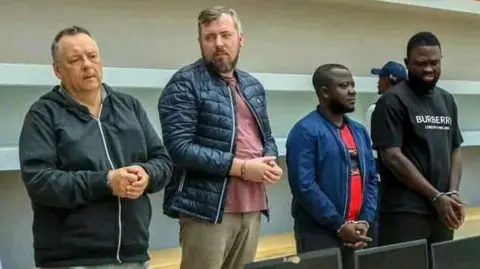
Political consultant Igor Ratchin and translator Lev Lakshtanov were arrested last August on serious charges including terrorism and espionage. The Angolan government claims they were part of a clandestine operation intent on reshaping Angola's political landscape, linked to a network emerging from the now-defunct Wagner Group.
Legal challenges from the defendants cite a lack of solid evidence, claiming the indictment presents no concrete facts to support the accusations. The prosecution alleges that the Russians executed a plan orchestrated by Africa Politology, a group of operatives and intelligence agents allegedly tied to Russian interests.
Despite historical ties dating back to the Cold War, Angola is reportedly distancing itself from Russia, strategically pivoting towards Western alliances. Observers suggest this drop in influence is prompting desperate measures from Moscow.
As hearings continue, political analysts express concern, suggesting that these attempts to intervene in Angolan politics may reflect broader anxiety regarding Russia’s declining sway in Africa. Activists and journalists assert that the protests, which led to over 29 deaths last year, were driven by internal dissatisfaction rather than foreign interference.
While the case unfolds, it raises critical questions about the legitimacy of perceived external threats to Angolan sovereignty and the implications of foreign influence in local politics.