In brief
In a BBC World Service exposé, two anonymous Russians – nicknamed Ivan and Foma – disclose their covert roles in supplying Ukrainian intelligence with surveillance intel and facilitating drone strikes on Russian military targets. Ivan, skirting Russian security, collected explosive locations near airfields, while Foma runs a remote volunteer network archiving data on senior officials. Their testimonies illuminate an underground coalition of 300‑500 insiders, navigating a high‑risk black‑market of information and operating in a shadow economy that bypasses Russia’s internal security net. Simultaneously, Ukraine’s GUR acknowledges using these clandestine assets, keeping its tactics hidden while publicly refusing responsibility. The revelations raise questions about the limits of state‑backed sabotage, the ethics of political assassinations, and the precarious existence of free‑movement rebels inside a closed regime.
In a BBC World Service documentary, two unnamed Russian men – covertly working for Ukraine’s military intelligence – expose the underground network that feeds strategic drone attacks inside Russia. They claim to have helped locate bombers, munitions factories and senior officers for targeted strikes.
Ivan— a former opposition activist—told interviewers that he had hidden explosives near Russian airfields, guiding Ukrainian forces on safe drop sites for drone components. His video footage of a makeshift weapon cache demonstrates the practical link between the inside network and the drones that smashed Russian targets. Ivan’s handler on the other side, a GUR contact in Ukraine, confirmed that the Ukraine intelligence agency has indeed approved many of the covert operations, though it can only verify the broad strategy, not the minutiae.
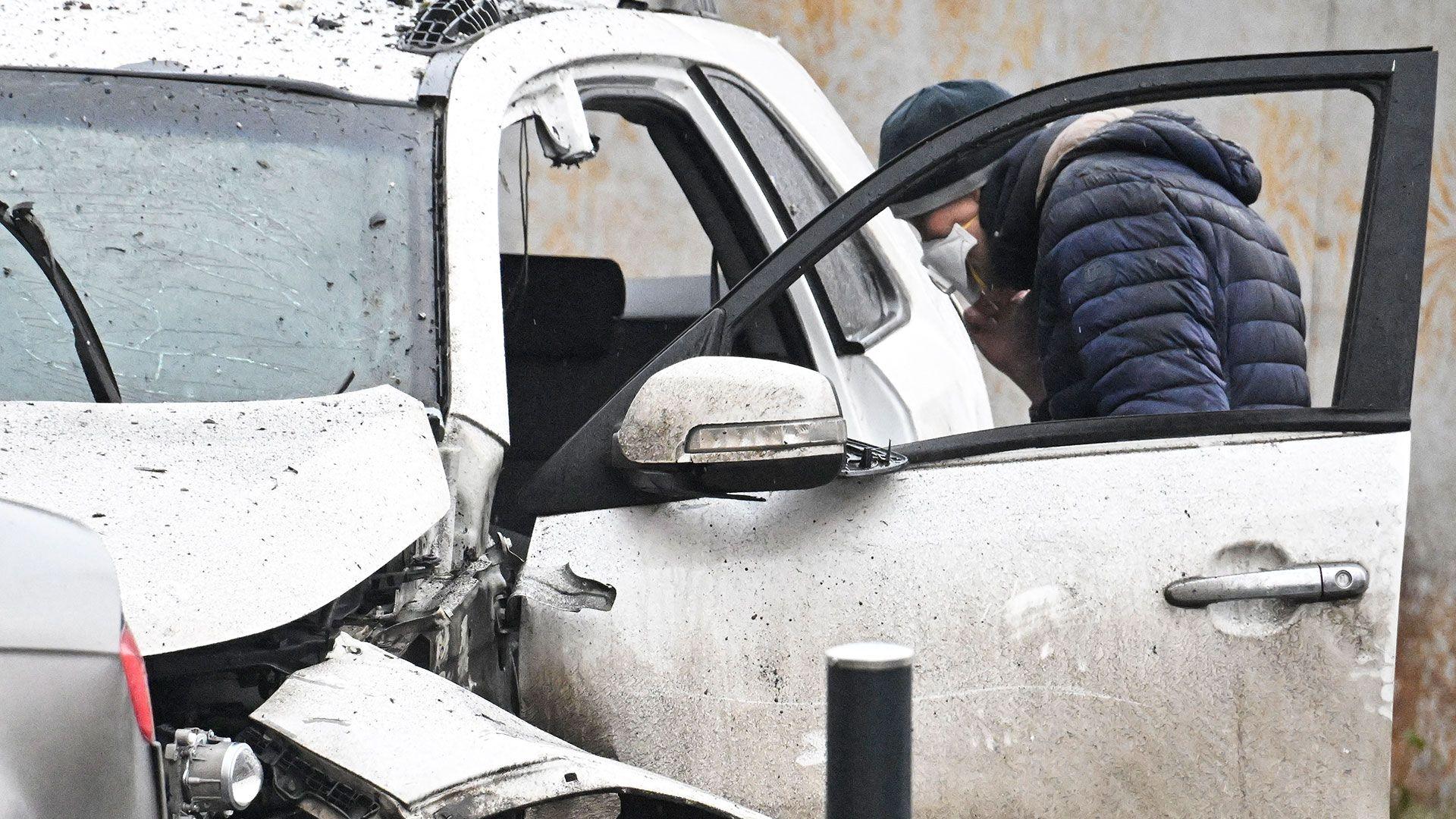
Foma leads a remote group of volunteers from his exile base in Poland, training operatives on how to track high‑ranking officers and map out their haunts. He shows the BBC a layered database that catalogues military warehouses, staff residences and convoy routes. Though he denies ever being involved in the actual assassinations, he claims to have supplied intelligence that led to the December 2025 killing of Lt Gen Sarvarov by a car‑buried bomb.
The risks remain stark: a close call when Ivan was stopped with homemade explosives on his vehicle, a near‑capture of volunteers once they formed online chat groups, and the ever‑present threat of double agency from Russian security services. The pair’s fledgling stories spotlight a hidden battlefield where ordinary citizens, driven by ideological motives or survival, participate in a covert war that runs parallel to the larger conflict on Ukraine’s eastern front.
For a deeper dive, visit the BBC’s full documentary in 2026, available on iPlayer and BBC Sounds.