In brief
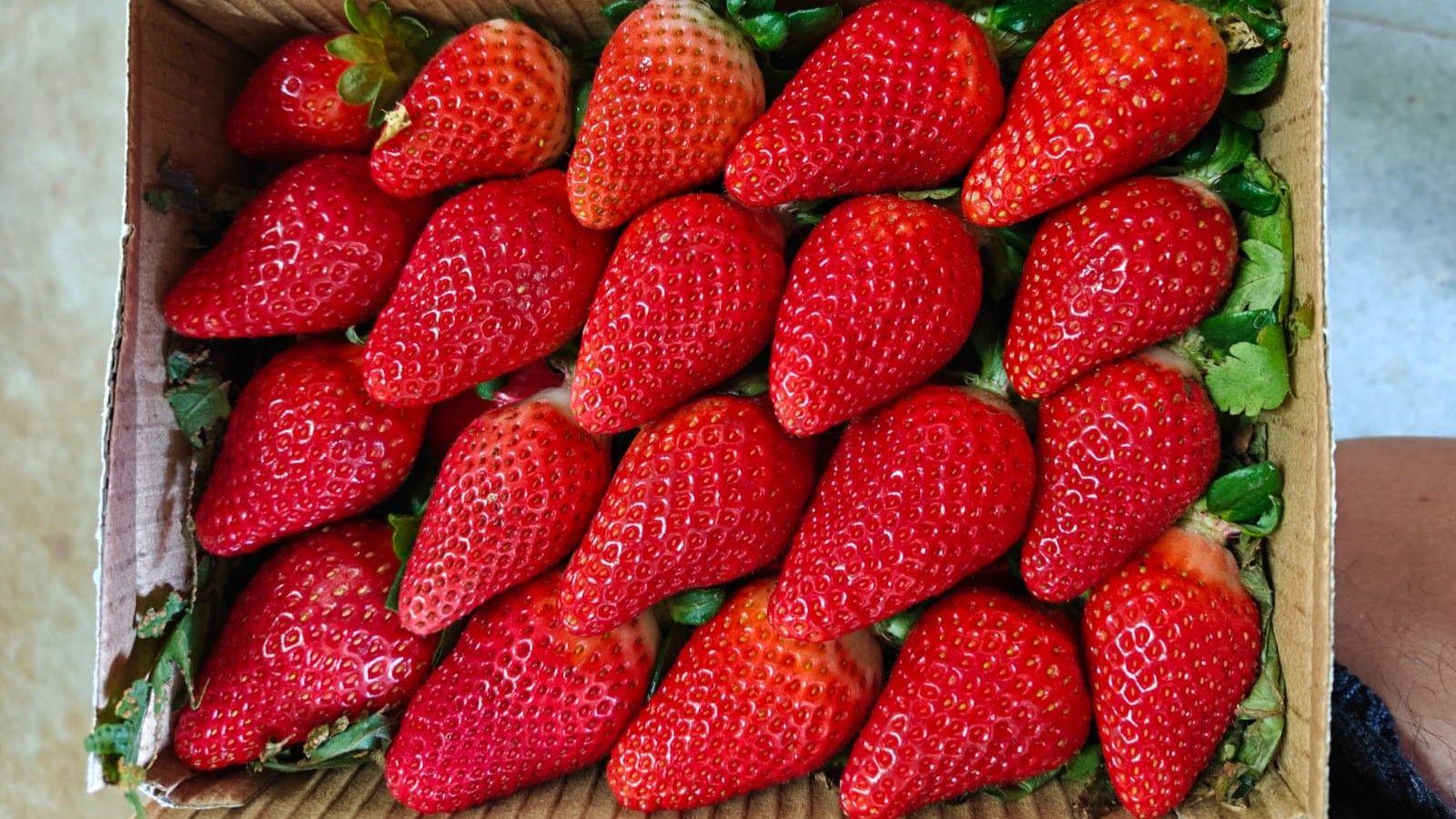
The foothills of Maharashtra are home to India’s strawberry farms, yet the farmers rely on imported varieties and face climate uncertainty. Harvests can be wiped out by a single downpour, and buying seedlings each year costs thousands of dollars. Technology firms like Tara Farms and Berry Fresh Agrotech are introducing hydroponics, drip irrigation, and AI‑driven weather alerts to mitigate risks. Meanwhile, researchers at MPKV and BARC are experimenting with gamma‑irradiated breeding to create the first indigenous, heat‑resistant strain. These innovations could change the economics of strawberry farming and help India step onto the global stage.
India moves to become a strawberry superpower
In the western Indian state of Maharashtra, the mist‑shrouded hills of Mahabaleshwar now host a high‑tech strawberry industry that accounts for roughly 85 % of the country’s output. The region’s altitude—over 1,000 m—provides a cool growing season from November to March, paired with well‑drained soil that is ideal for the fruit.
Despite their success, Indian strawberry growers still depend on plant material imported from California, Florida, Italy and Spain. A breeder in the United States can take from ten to fifteen years to develop a new variety, and once a strain is patented it must be sold through licensed distributors.
In India, a single imported “mother plant” can produce 20–40 daughter plants in a nursery. The growers then purchase these short‑lived plants each year, a cost that can reach $2,500 (about £1,900) for a small farm. The risk is huge: one heavy downpour can destroy an entire harvest, and farmers must gamble on a single season’s yield.
Sheetal Danavle, who owns a half‑acre plot in Mahabaleshwar, illustrates the challenge. She explained that if revenue fills in, she can recover the plant cost and double her earnings; if weather turns, the crop can be ruined overnight.
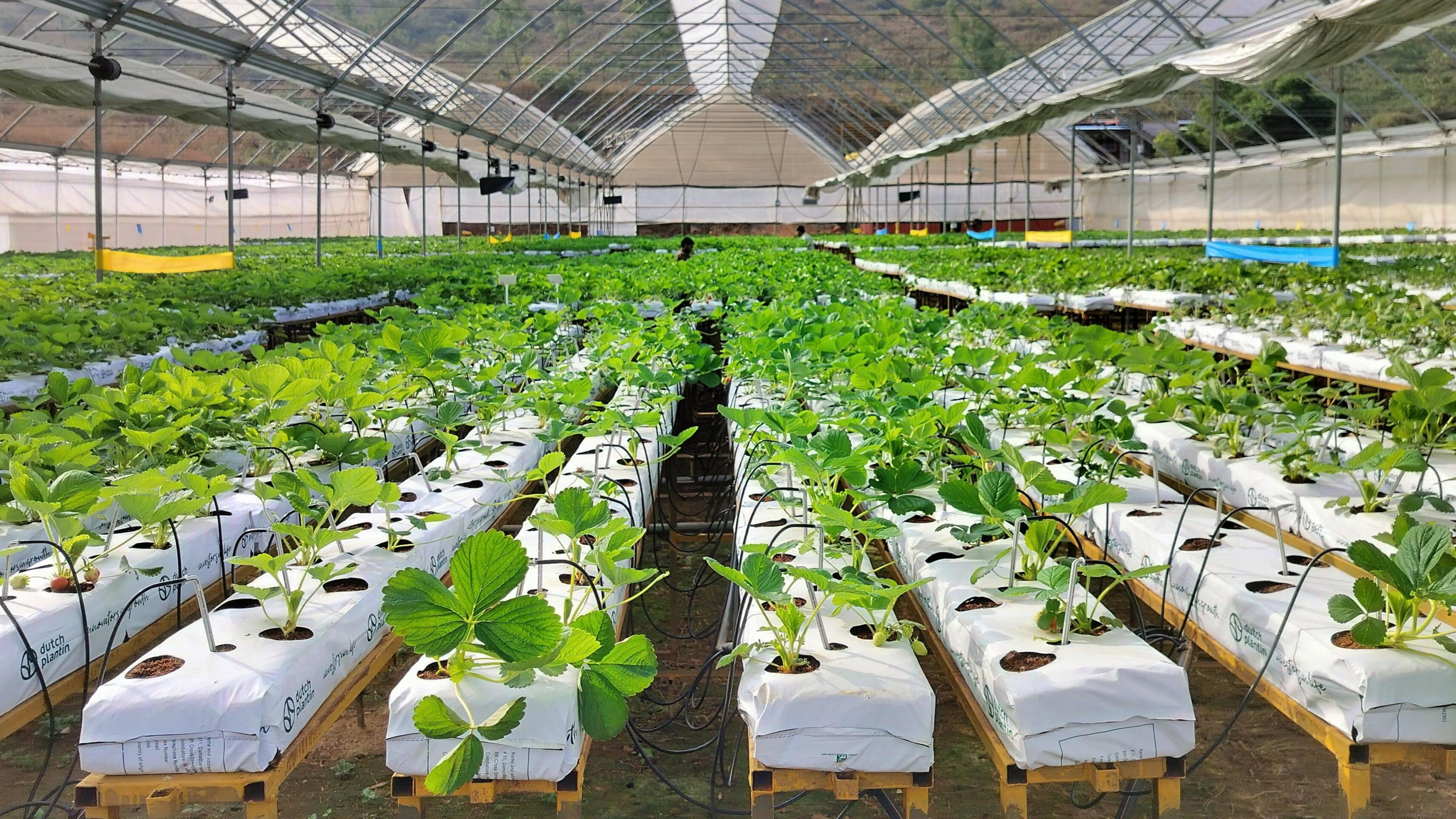
Innovators like Tara Farms Fresh bring high‑tech solutions: plants grow in steel containers, using coconut‑peat coco‑peat substrate and a sophisticated drip‑and‑fog system that maintains a precise micro‑climate. This reduces soil‑related pest issues and lets growers monitor nutrient uptake in real time through “blood work” on plant leaves.
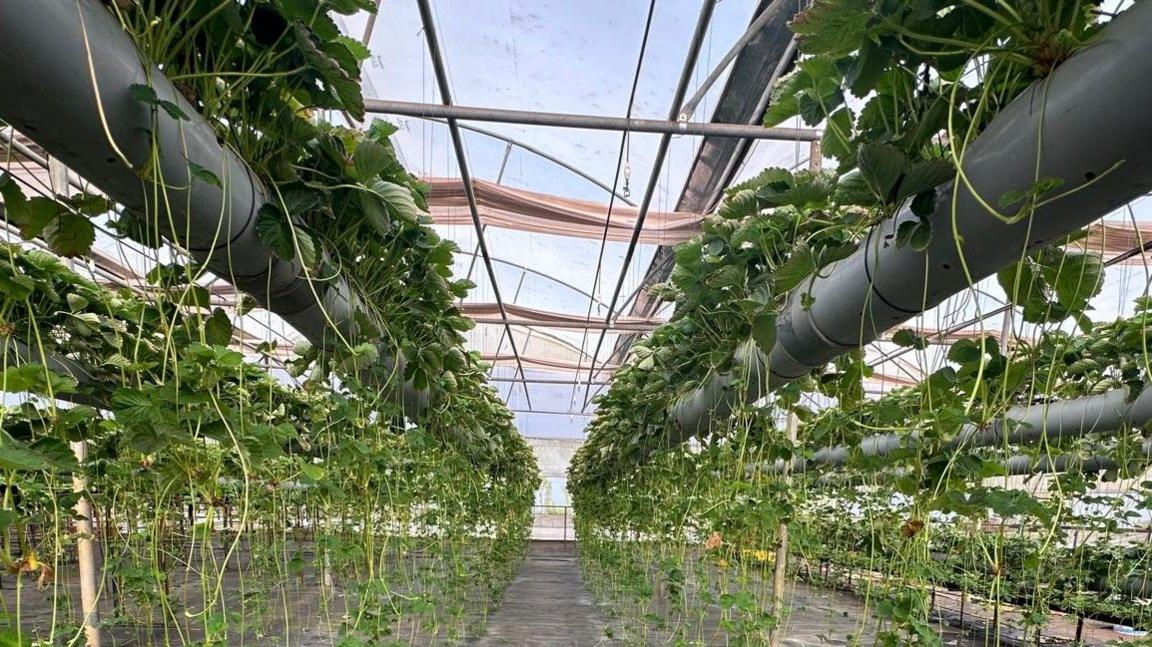
Berry Fresh Agrotech experiments with hydroponics in a semi‑open polyhouse, limiting each plant to 750 ml of water per day. The result is fruit with richer sugars and tighter aromas, and a production cycle that runs year‑round, breaking the seasonal barrier of the traditional model.
These advanced setups, however, require capital that many smallholders cannot afford. Local farmer cooperatives rely on weather‑monitoring towers equipped with AI that predict rain, guiding pesticide applications to reduce waste.
Parallel to technology, academia is working on a longer‑term solution. At the Mahatma Phule Krishi Vidyapeeth (MPKV) in Maharashtra, researchers are using low‑dose gamma irradiation to induce permanent genetic mutations in strawberry tissues, aiming to create the first Indian‑grown, climate‑resilient strain. While the breeding program may take a decade or more, the university already shares best‑practice grow‑books—packing schedules, fertiliser protocols, and growth‑regulator doses—tailored for Mahabaleshwar’s unique climate.
Bridging these efforts, the industry’s narrative is becoming one of resilience and value creation: local farmers are innovating, tech firms are narrowing yield gaps, and science is steering a future where domestic strawberries might compete with the giants of California, Italy and Spain.
Next steps for India’s strawberry market include refining breeding techniques, expanding high‑tech cultivation, and easing import barriers to nurture a genuinely independent supply chain.
(Originally published by the BBC)