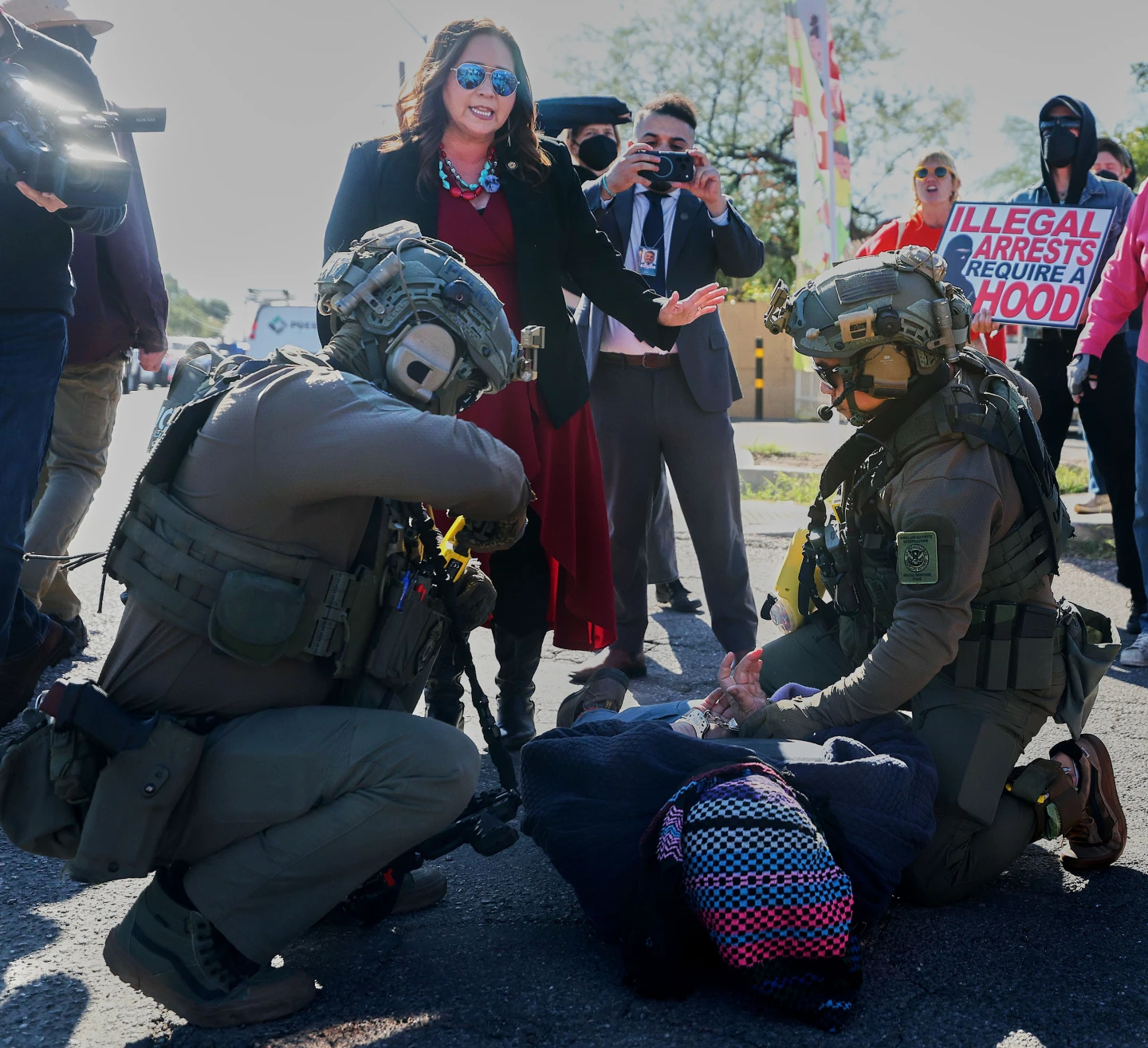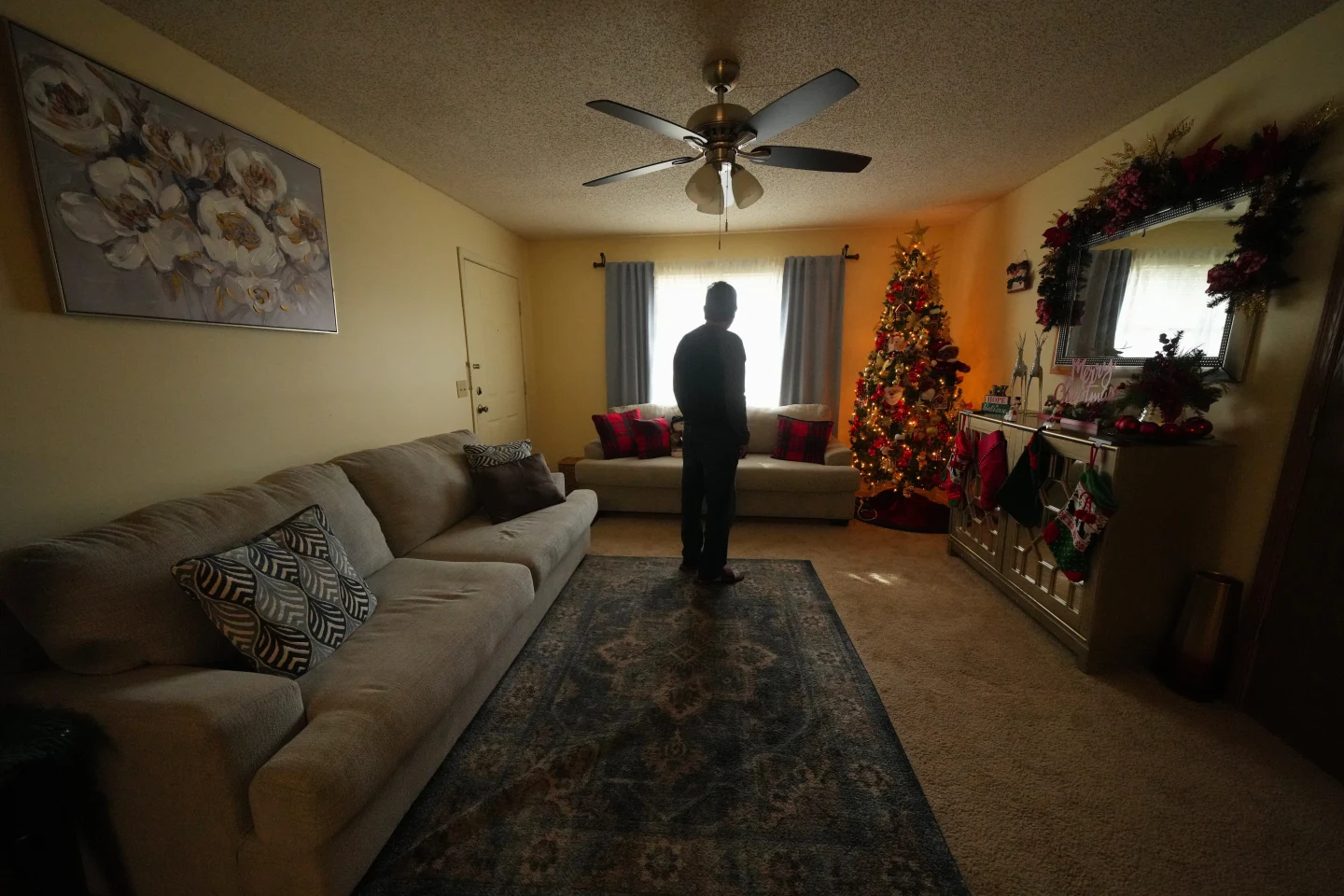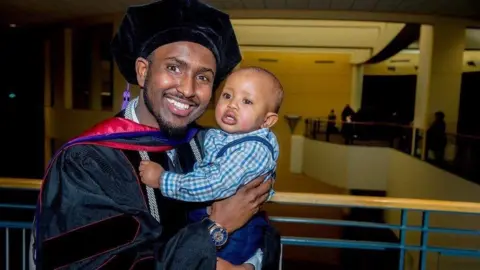
SACRAMENTO, Calif. — Recently, Giselle Garcia, a dedicated volunteer assisting an Afghan family in resettlement, witnessed a heartbreaking moment as the father was arrested upon his check-in with U.S. Immigration and Customs Enforcement (ICE). The family had fled Afghanistan due to threats from the Taliban, but despite their compliance with legal processes, they were met with an unexpected and devastating outcome.
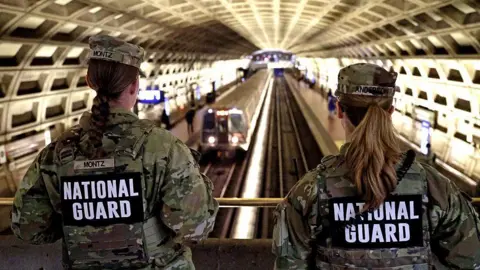
This incident comes on the heels of increased scrutiny of Afghan nationals in the U.S., following a tragic event involving the shooting of two National Guard troops by an Afghan man. Since then, immigration lawyers have reported a spike in arrests across the nation, particularly within California's robust Afghan community.
Witnesses stated that Afghan men who had entered ICE offices were handcuffed immediately upon arrival, underscoring a climate of fear among those seeking asylum. Garcia reflected on the emotional distress of the family, highlighting the stark contrast between their hopes for safety in the U.S. and the somber realities they faced.
Targeted Actions Raise Alarm
Immigration enforcement has intensified in the aftermath of the shooting incident, with the federal government implementing stricter vetting processes and halting asylum applications for many Afghans. Critics assert that this punitive measure reflects a troubling trend toward collective punishment, with innocent individuals suffering due to the actions of a few.
This approach unfairly punishes those who stood by our side in Afghanistan, stated Rep. Ami Bera, emphasizing the sacrifices made by thousands of Afghans who aided U.S. forces. The Democratic representative decried the broader implications of these arrests, arguing that a singular act should not dictate a community’s fate.
An Atmosphere of Anxiety
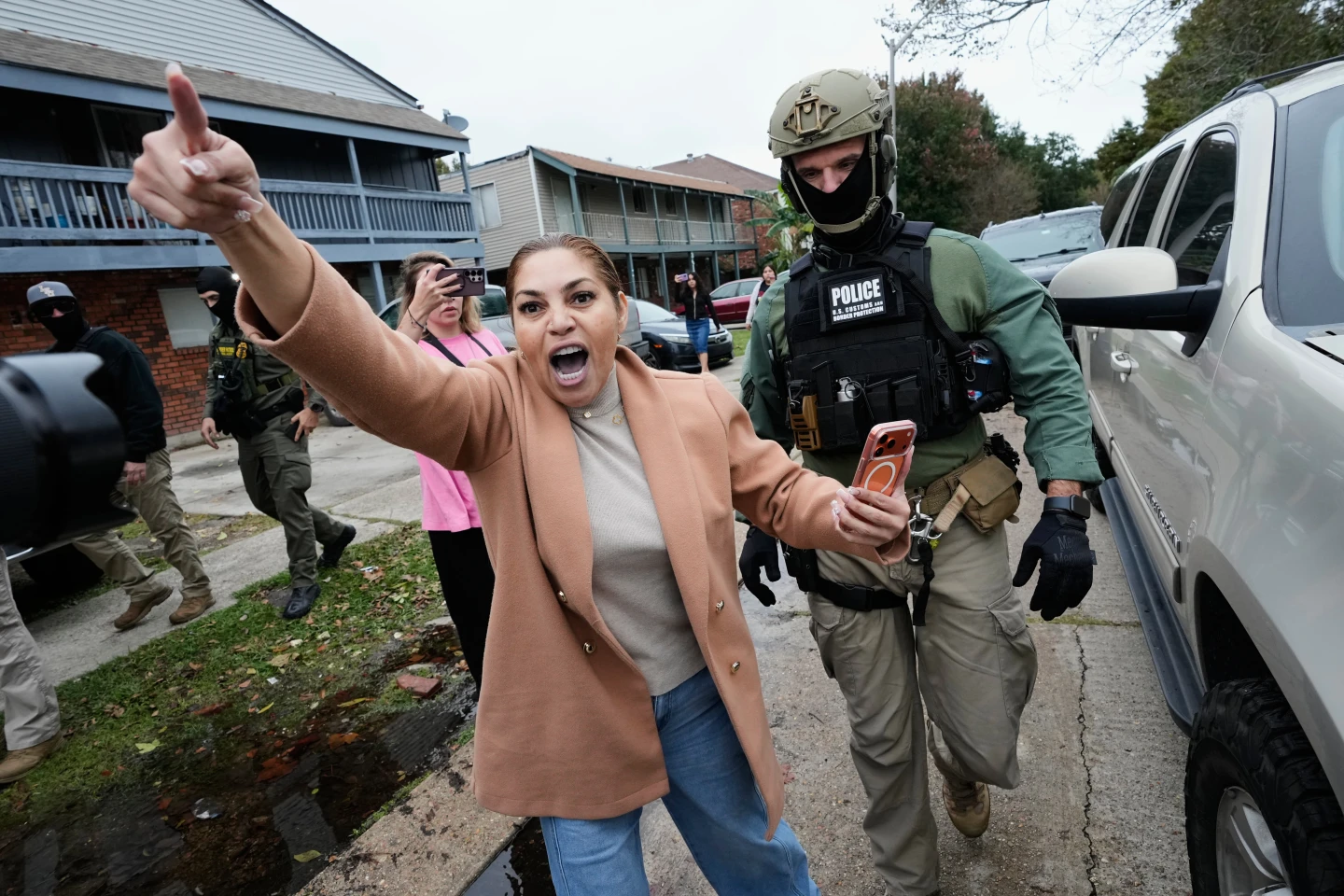
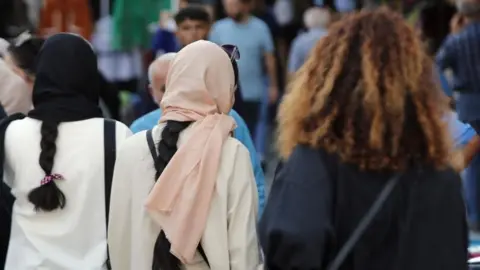
The growing fear among Afghan families is palpable, as reports emerge of sudden detentions and canceled immigration interviews, leaving many in limbo. Advocacy organizations are scrambling to support those impacted by these developments, but the atmosphere remains fraught with uncertainty.
This isn't just about one family—it's about an entire community seeking refuge and safety, noted Lakanwal, an Afghan immigrant facing the repercussions of sudden arrests, echoing the sentiment of countless others. Garcia and her fellow volunteers continue to assist those navigating this challenging terrain, providing support to alleviate the emotional toll on families caught in this precarious situation.
Conclusion
The wave of arrests following tragic events serves as a dire reminder of the complexities of the immigration system in the United States. As communities rally to support their Afghan counterparts, the call for a reevaluation of policies targeting them has never been more urgent. The plight faced by these innocents does not reflect their contributions and sacrifices made during two decades of conflict.