Machines mining minerals in the deep ocean have been found to cause significant damage to life on the seabed, scientists carrying out the largest study of its kind say.
The number of animals found in the tracks of the vehicles was reduced by 37% compared to untouched areas, according to the scientists.
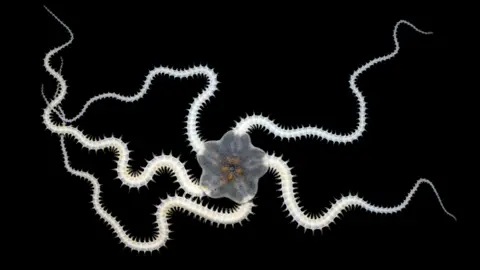
The researchers discovered more than 4,000 animals, 90% of which were new species, living on the seafloor in a remote area of the Pacific Ocean.
Vast amounts of critical minerals needed for green technologies could be locked in the deep ocean, but deep sea mining in international waters is very controversial and currently not permitted until more is known about the environmental impacts.
The research conducted by scientists at the Natural History Museum in London, the UK National Oceanography Centre, and the University of Gothenburg was prompted by a request from deep sea mining company The Metals Company, which was allowed to view the results but could not alter them.
The monitoring focused on animals measuring between 0.3mm to 2cm, such as worms, sea spiders, snails, and clams, uncovering a significant 37% decrease in their populations and a 32% drop in species diversity in areas directly impacted by mining.
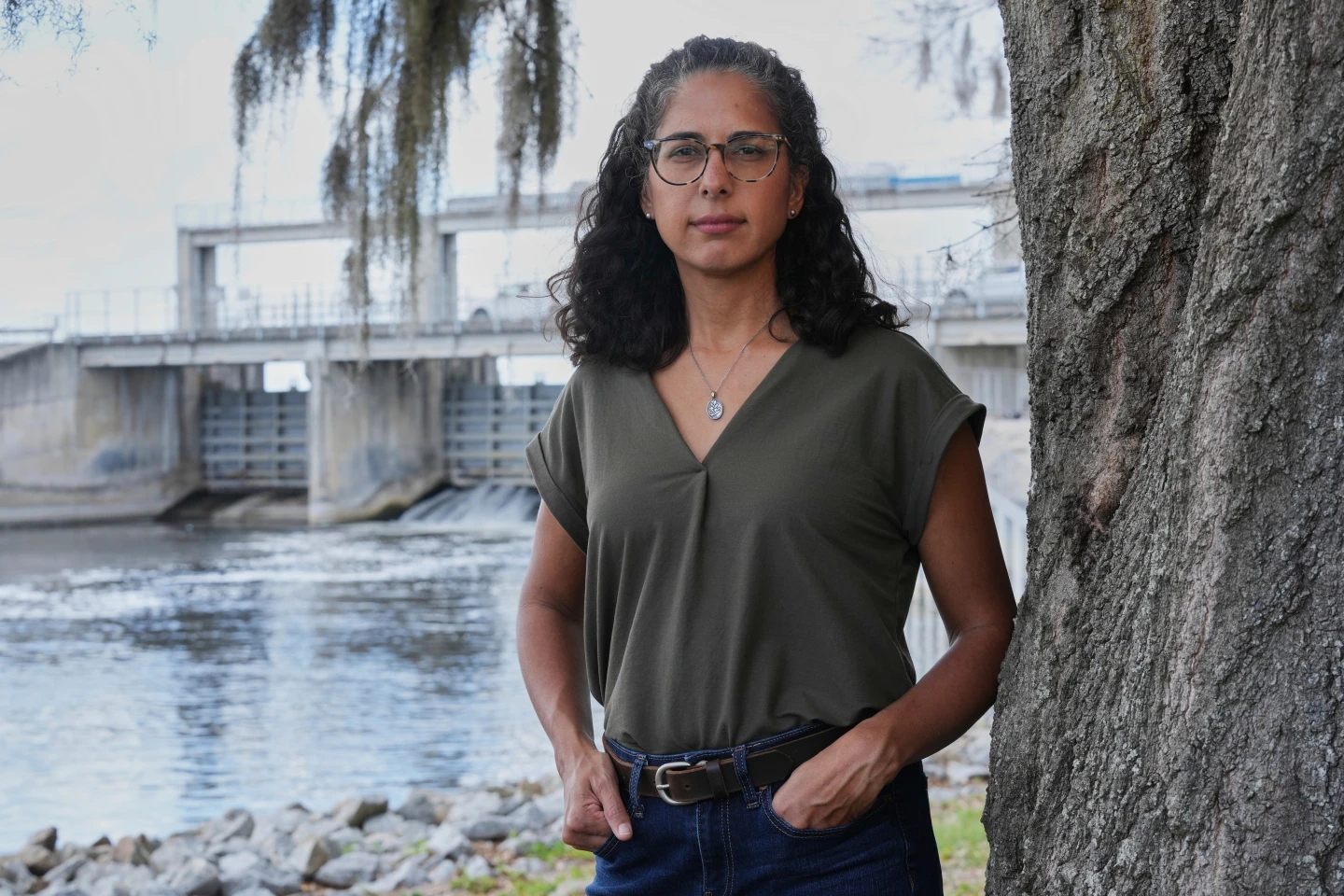
Lead researcher Eva Stewart noted, The machine removes about the top five centimetres of sediment. That's where most of the animals live. So obviously, if you're removing the sediment, you're removing the animals in it too. Additionally, some scientists express that pollution from mining operations may harm certain species over time.
Concerns arise as current mining technology appears too destructive for commercial exploitation. The ongoing study emphasizes the delicate balance needed in exploring deep ocean resources.
Deep sea mining proves contentious, with nations like the UK and France endorsing a temporary ban while discussions around the potential environmental impacts continue. The International Seabed Authority has not yet authorized commercial mining despite issuing exploration licenses. Without adequate protective measures, marine life risks facing irreversible harm.