In brief
Hungarian MPs have voted to remove a 2021 law that criminalised the portrayal or promotion of homosexuality and transgenderism, easing restrictions on LGBT communities. The decision comes as the new Tisza government continues to dismantle former Fidesz‑era policies. EU leaders have also unlocked billions in frozen funds, signalling a possible easing of tensions between Hungary and Brussels. Activists hail the move but call for broader reforms including marriage equality, adoption rights and name‑change freedoms for transgender people. The shift reflects a broader political wave of liberalisation amid Hungary’s ongoing EU‑relations crisis.
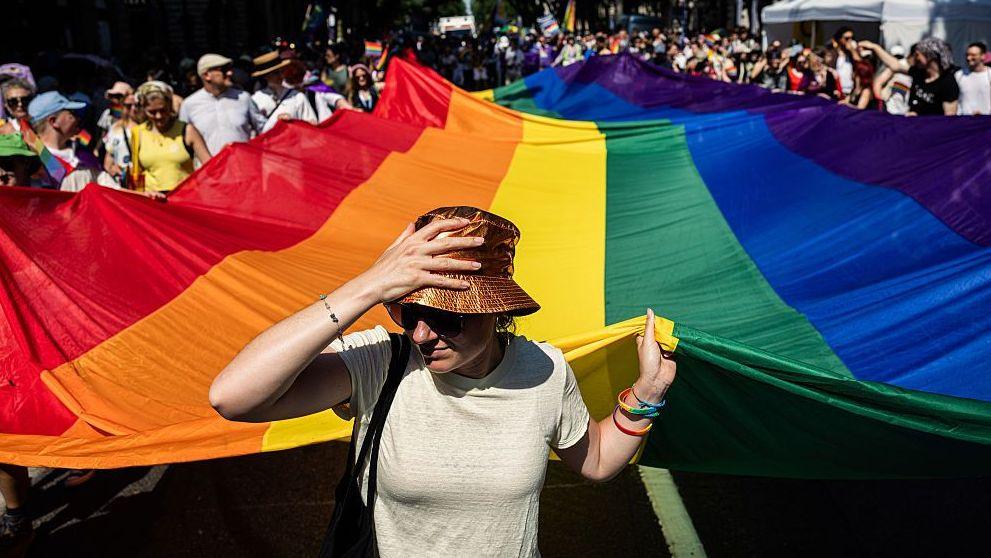
Hungary’s MPs have voted to kill a 2021 child‑protection law that criminalised the portrayal or promotion of homosexuality or transgenderism.
The law, introduced by Prime Minister Viktor Orbán’s Fidesz party, had been a major point of contention for LGBTQ activists and human‑rights groups, who argued it chilled free expression and targeted sexual minorities.
Since the April 2024 election defeat, the new Prosperity Party (Tisza) government, led by Prime Minister Péter Magyar, has been working to undo the legacy of the Fidesz administration. The repeal was part of a larger package of reforms aimed at delegitimising parliamentary statutes that stigmatised LGBTQ people.
In the earlier part of the day, Brussels announced that the European Commission would unlock €4.2 billion (about £3.5 billion) in funds that had been frozen under the previous regime, a move praised by EU officials as a “wind of change.” The funds were earmarked to help Hungary re‑enter key EU programmes such as Erasmus+ and Horizon Europe.
The 2021 legislation affected a range of areas, from curriculum in schools to the public right of assembly. Although it was presented in the name of child protection, the government of Orbán used it to portray gay and transgender people as a threat to public morals. The new Tisza administration, while continuing to guard a two‑thirds parliamentary majority, chooses to soften or abolish these laws without overtly championing full equality.
"We are very happy that this got adopted," said Tamás Dombos, director of the civil‑rights NGO Háttér. "We have been fighting this ‘child‑protection’ law for five years and the newer version has fixed many of the earlier issues.”
The repeal comes amid a broader push to address remaining gaps such as recognising same‑sex marriage, allowing same‑sex couples to adopt and restoring the right for transgender people to change their names on official documents. Activists say that while this is a positive step, we are still “knocking on a closed door,” but at least “they are listening on the other side.”
The move has met with criticism from Fidesz and its sister Christian Democrats, who said they reject any promotion of LGBTQ content in schools or media. Yet the new Ganz alliance may see the repeal as a chance to cement broad‑based support and improve relations with the European Union, which has been increasingly concerned about rule‑of‑law breaches in Hungary.