In brief
In a surprising political move, four moderate House Republicans have allied with Democrats to advocate for the extension of health care subsidies tied to the Affordable Care Act. With upcoming midterm elections on the horizon, these representatives are from battleground districts in Pennsylvania and New York and are pushing back against their own party's leadership. Their actions highlight growing concerns over rising health care costs and reflect shifts in party dynamics as legislators respond to constituent needs.
Four moderate House Republicans — from swing districts Democrats are already eyeing for next year’s midterms — have broken ranks with Speaker Mike Johnson, signing on to Democrats’ petition to force a vote on extending health care subsidies that expire at the end of this year.
From battleground districts in Pennsylvania and New York, the members on Wednesday sided against their party on the Democratic-led measure to force a vote on subsidy extensions related to the Affordable Care Act — a move that came after House Republican leaders pushed ahead with a GOP health care bill that does not address impending soaring monthly premiums.
Acknowledging “these are not normal times,” Johnson stated that his party’s narrow majority allows a small number of GOP members to have an outsized influence in some of the chamber’s actions.
Meet the four Republicans bucking their party’s leadership over health care:
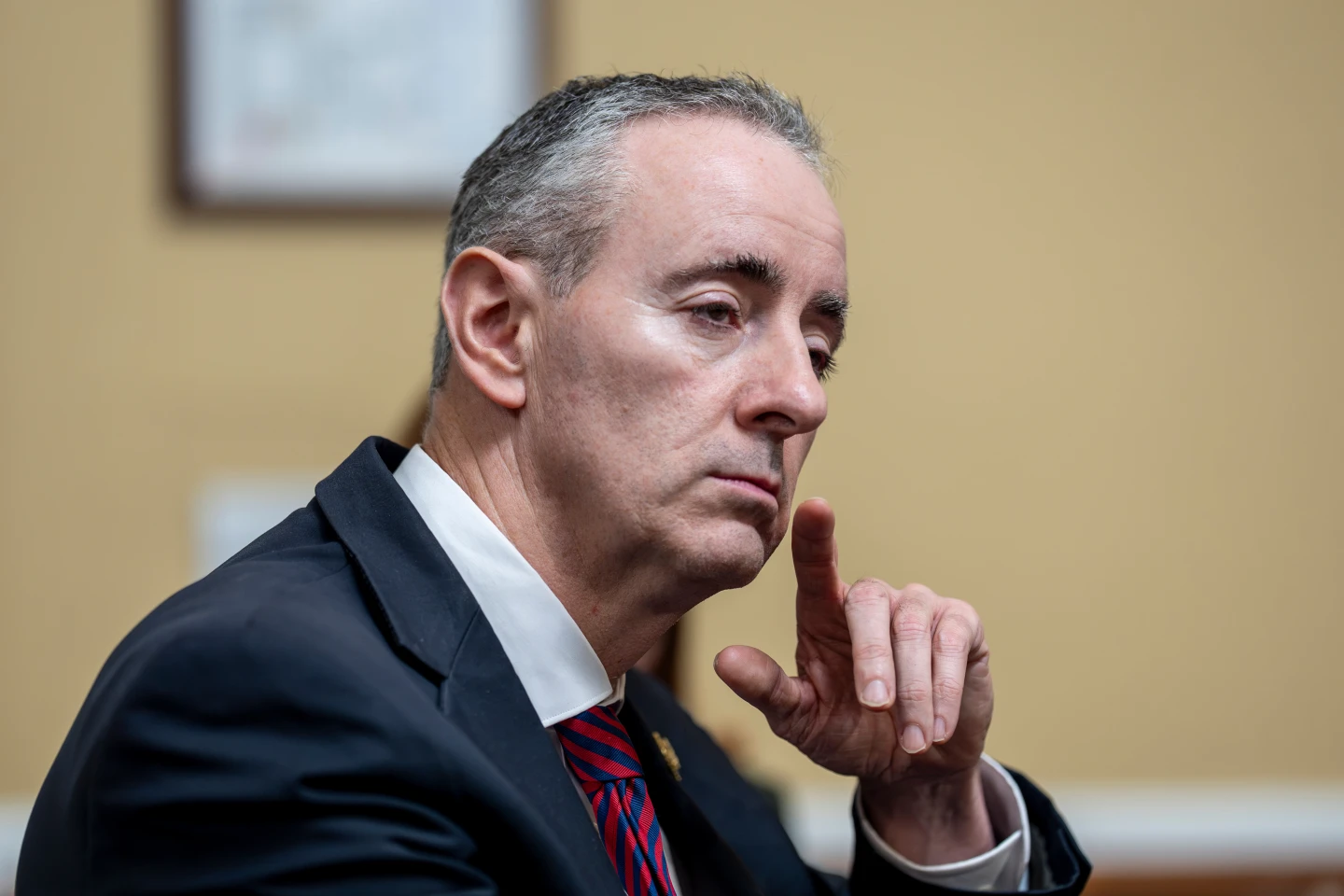
Rep. Brian Fitzpatrick, Pennsylvania
Fitzpatrick, known for bipartisan efforts, represents a key swing district in Pennsylvania. Earlier this year, he initiated a bipartisan petition to extend ACA subsidies and previously led a coalition advocating for a bill banning Congress members from trading individual stocks.
“It’s not every day you see this cast of characters up here,” Fitzpatrick remarked. “You’re all smirking out there. That’s a good thing. It speaks to the power of this cause.”
Rep. Ryan Mackenzie, Pennsylvania
Mackenzie, who faced immediate political repercussions after backing the House budget bill, voiced the need to offer relief from high costs, affirming the importance of addressing real-world healthcare issues.
Rep. Robert Bresnahan, Pennsylvania
Bresnahan is already on the Democrats' radar, having narrowly won his seat last November. His district recently attracted attention with a visit from Donald Trump, signaling its significance in the upcoming elections.
Rep. Mike Lawler, New York
Lawler's district, pivotal for both parties, has drawn national focus as Democrats plan substantial resources for the next election. Even as he considered a gubernatorial run, he decided to prioritize defending his congressional seat.
As these representatives defy party lines, their actions may reshape the political landscape leading into the midterm elections, putting pressure on GOP leaders and reflecting the evolving demands of voters across these crucial districts.