In brief
Judge Beth Hill ordered a mental‑fitness exam for Jacob Baker after he was charged with three murders. The victims, 69‑ and 79‑year‑olds, were found in remote Puna, a jungle area known for off‑grid living. Police say the murders were “exceptional depravity,” with severed fingers and strangulation evident. Baker allegedly pledged to “shank all rapists” for the island. He was held without bail; a hearing is scheduled for August 11. The case underscores the threat posed by violent crimes in Hawaii’s isolated communities.
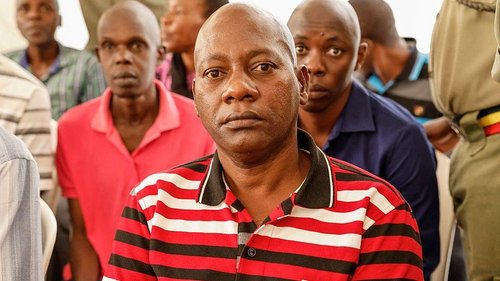
Judge Beth Hill ordered a mental fitness examination for Jacob Baker, the 36‑year‑old man charged with the murders of three elderly men on Hawaii’s Big Island. Prosecutors have described the killings as “exceptional depravity,” and the court documents seek a harsher sentence because the victims were all over 60.
Baker was taken to court Monday. The judge granted his request for a mental fitness test, which is due to be completed on August 4, with a hearing set for August 11.
According to a criminal complaint, the victims—69‑year‑old Robert Shine, 79‑year‑old Frederick Morse, and 69‑year‑old John Carse—were found in nearby, remote locations. Shine was discovered submerged in a cement pond; Morse’s body was discovered a day later a few hundred feet away. Carse was found face‑down under corrugated roofing, with an autopsy revealing cuts, severed neck muscles, a broken jaw, and other injuries.
Investigators say Morse was found dead in his bed with severed fingers, Shine had fractured ribs, and Carse had cuts and other injuries. These findings are part of the probable cause report.
A woman who drove Baker to a Hilo store reported that after the men disappeared, Baker showed her a newly purchased knife. He told her he wanted to “shank all the rapists in Pahoa and anyone who messed with him.” Prosecutors say he also spoke about “mashing” pedophiles and rapists with machetes. He reportedly referred to himself in Spanish as a hitman.
The woman also claimed Baker purchased two brass knuckles and got a tattoo under his left eye at a tattoo shop. Police say these statements indicate the severity and intent behind the killings.
Law enforcement found the killers in the Puna community—a forested area with lava fields that attract off‑grid residents. The three murders left locals on edge, as the violence came in a region known for remote living.
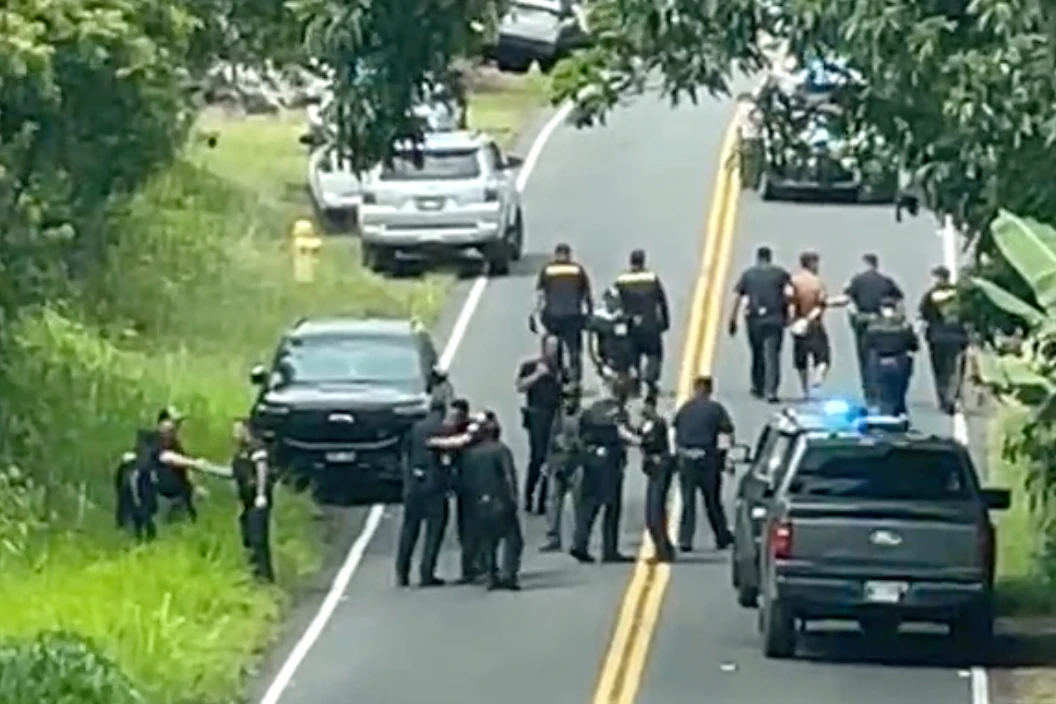
Baker was apprehended last week after a manhunt that covered the entire island. He remains in custody without bail. A judge is expected to decide on his life sentence if a jury agrees that the murders were especially heinous. Without the enhancement, parole could be possible.