Heroes of the Bureaucracy: When Indian Civil Servants Cut Through Red Tape
In a country where citizens often face long waits and opaque procedures, a handful of public servants have attained the bright‑spot status of a hero for seemingly ordinary work. Their actions—whether inspecting kitchens, monitoring hospital supplies, or stripping illegal construction—have gone viral, sparking applause and debate alike.
The Rise of Tukaram Mundhe
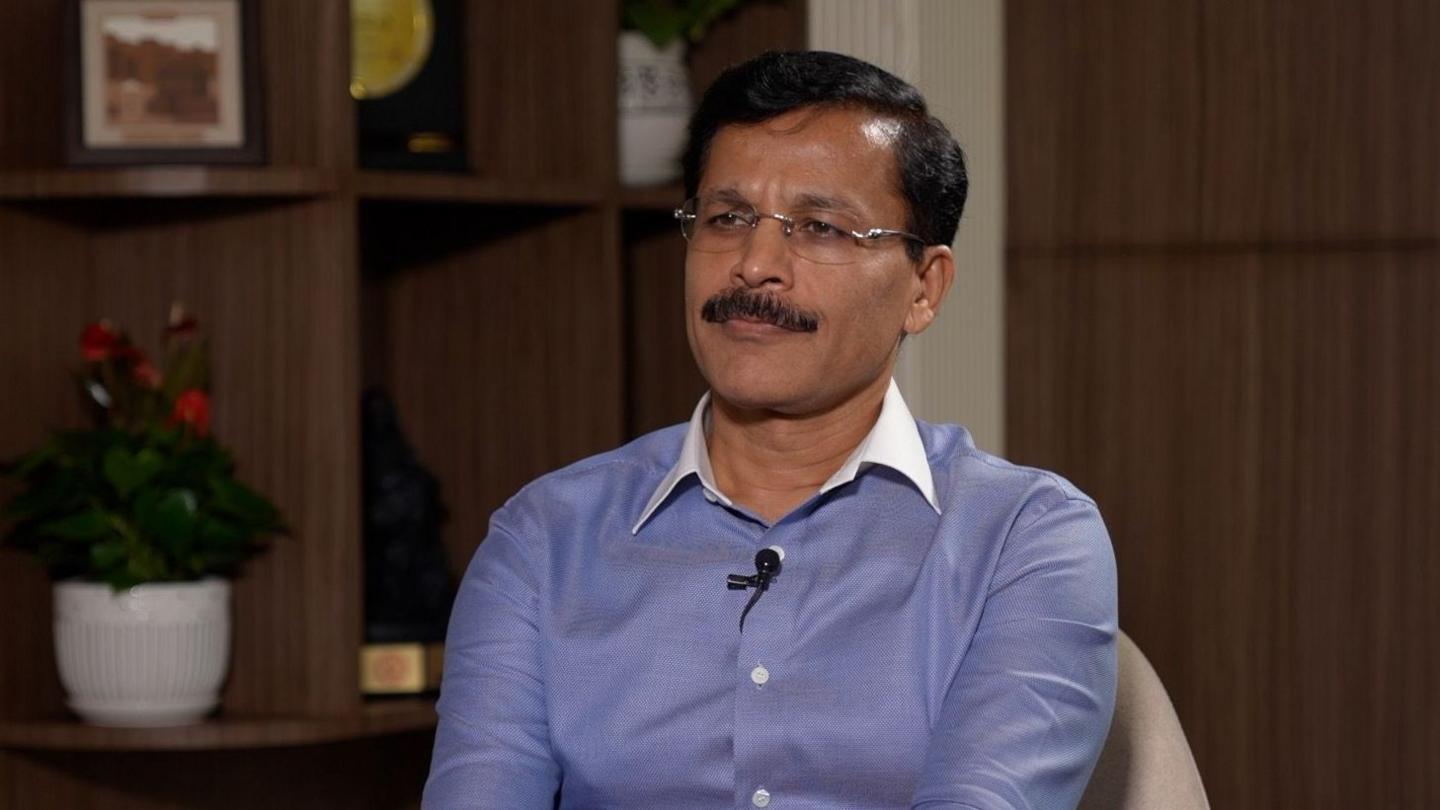
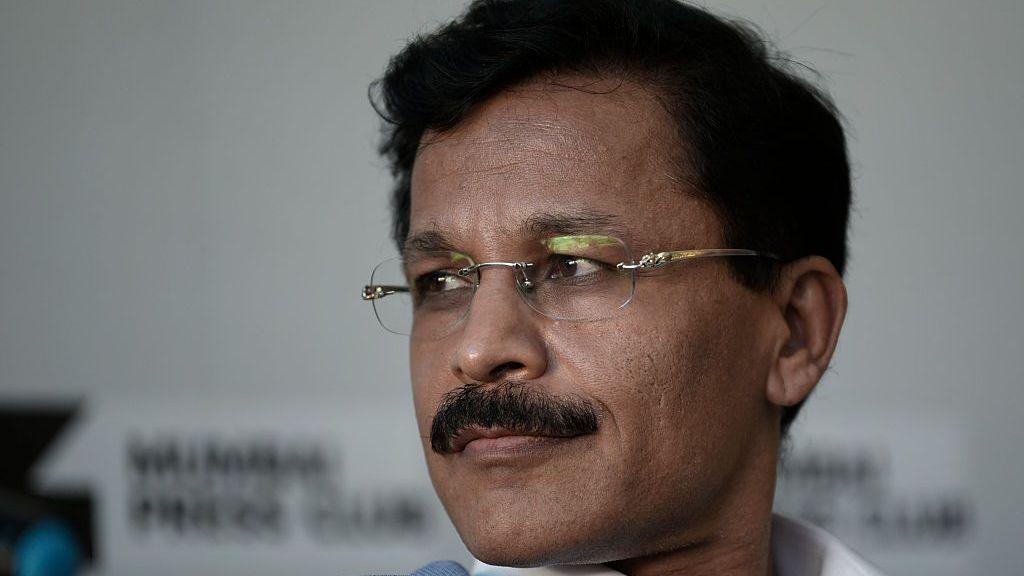
Commissioner Tukaram Mundhe, 51, was appointed to the Maharashtra Food and Drug Administration in May. Since then he has led a series of enforcement drives that uncovered pest infestations, unhygienic conditions and expired food in restaurants and food businesses. Mundhe has also highlighted stark price gaps between what hospitals purchase and what patients ultimately pay for common medical supplies.
These investigative activities have been captured on video and shared across social media platforms, turning Mundhe into a celebrity among online audiences. Hundreds of viewers have reached out, urging that similar officers be deployed statewide to address food‑safety concerns.
Other Exemplars in the Public Eye
While Mundhe is a recent example, the phenomenon is not new. In recent years, district‑town planner RS Batth of Gurugram has earned praise for tackling illegal encroachments, and former election commissioner TN Seshan and police officer Kiran Bedi remain household names for their stern rule enforcement. The Indian press has also chronicled former police officer Neeraj Jadaun, who confronted a mob during religious violence in 2020.
These stories illustrate how the “honest” bureaucrat is both celebrated and rare—efficient governance now stands out because the everyday expectation is one of delay, bribery, or indifference.
The Public’s Perspective on Bureaucracy
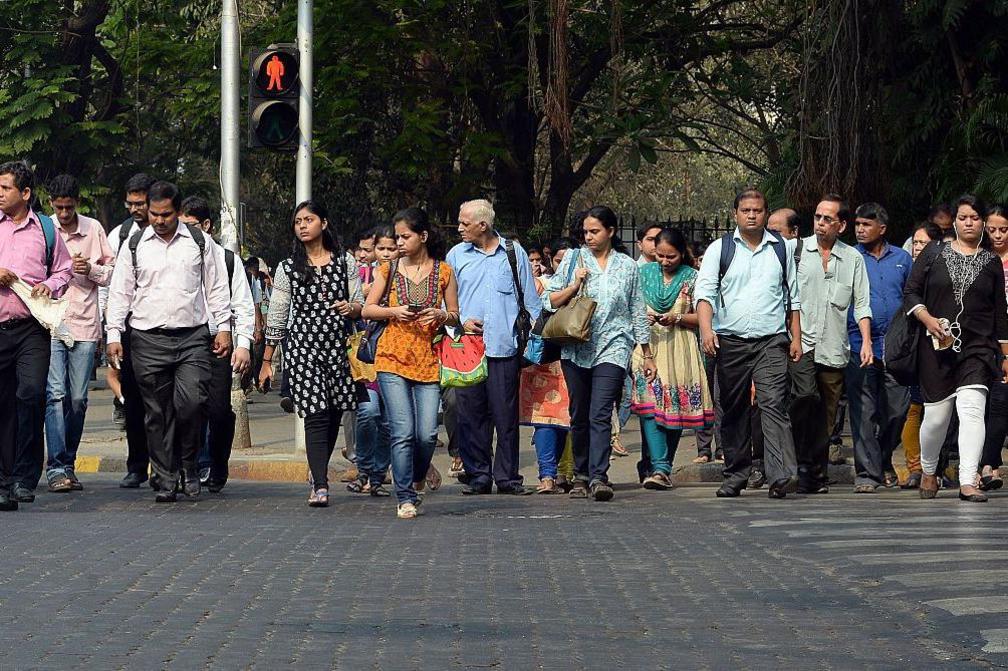
For many citizens, a trip to a government office feels exhausting. Rajesh Singh, a finance‑company employee in Delhi, notes that what should take 24 hours often stretches to six months, with no guarantee of a favorable outcome. While there is admiration for officers enforcing rules strictly, some criticize unbending application of the law when circumstances may warrant flexibility.
Challenges Faced by the Heroes
Pushpa Sundar stresses that officials who defy political or commercial pressure are vulnerable to career setbacks. Political actors can quickly shift appointments or arrange transfers, as illustrated by retired civil servant Kamal Kant Jaswal’s experience in the 1970s when he faced “marching orders” after denying a minister’s demands.
Similarly, Mundhe has encountered backlash from industry stakeholders who claim selective enforcement. He counters by reaffirming that inspections are evidence‑driven, and licenses are only suspended in serious cases. Batth has faced criticism for perceived selectivity, yet he insists his actions strictly adhere to town‑planning laws, even as some community members see his work as costly to their daily survival.
The Amplifying Role of Social Media
With the rise of digital platforms, an action limited to one district can now reach the world within hours. According to Sundar, this influx of visibility gives ordinary rule‑enforcement the celebrity feel of a national conversation. Mundhe himself says the aim of his campaigns is simply to protect public health; he sees media exposure as incidental.
These cases show that when a protected public function is executed openly and consistently, the public view flips from routine to extraordinary—especially when the norm for citizens has largely been perplexing delays and opaque bureaucracy.