In brief
This summer’s heatwaves have turned many UK weddings into uncomfortable, sweaty affairs, forcing couples to add costly heat‑coping measures such as marquees, ice‑cream vans and extra cooling equipment. The rising temperatures are pushing brides to rethink dress fabrics, scheduling, and floral choices, while venues struggle with higher energy bills and altered guest behaviour. Industry experts predict a shift towards cooler months, more adaptive venues, and innovative fabrics, as the cost of in‑event cooling runs into thousands of pounds each year.
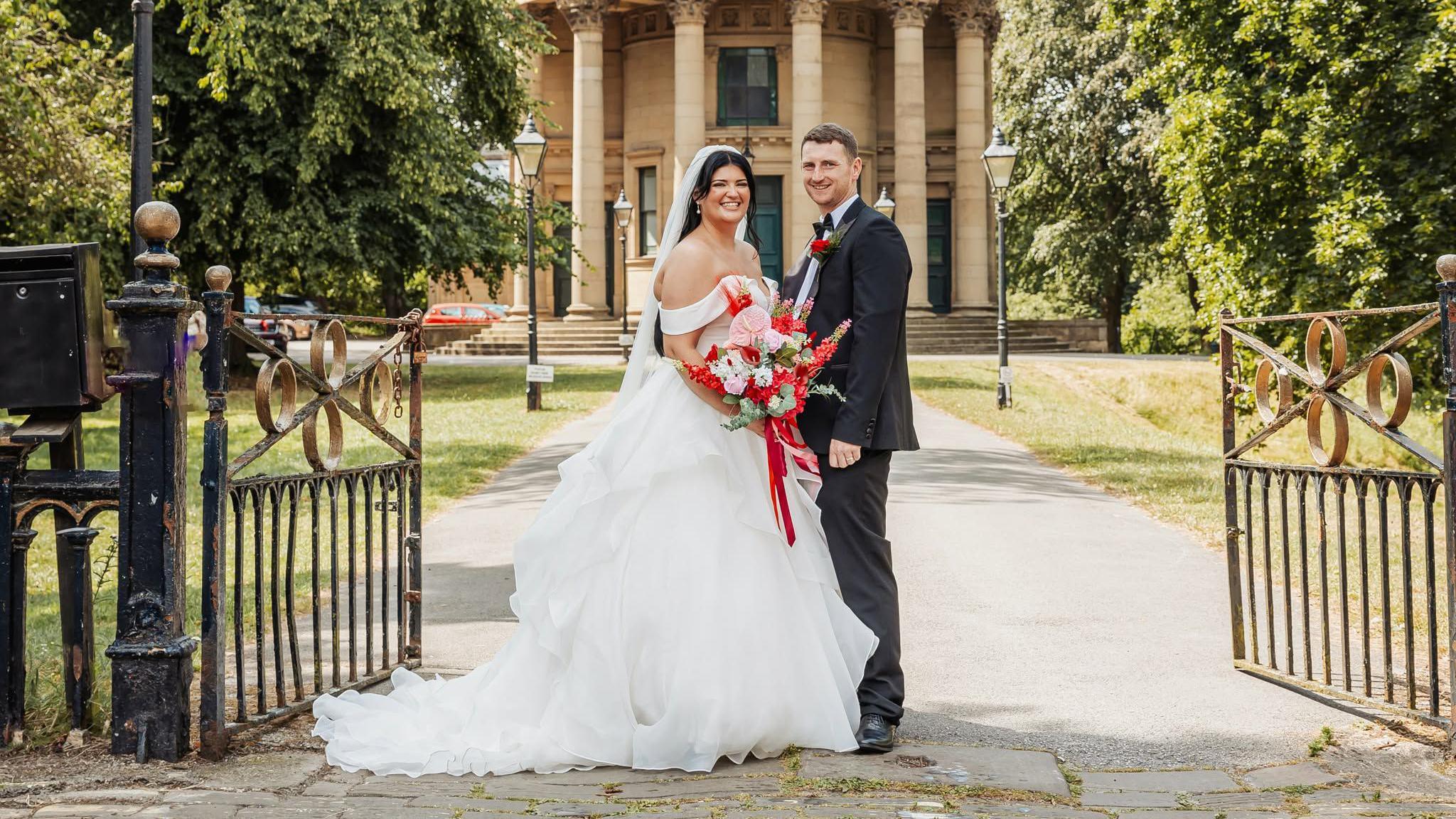
“As soon as I put my dress on, my makeup was just falling off my face.” This was the experience of Aimie Seale and her new‑husband Ryan when their July wedding fell in the middle of a brutal heatwave. With temperatures reaching 30°C in a glass‑enclosed West Yorkshire church, the ceremony became an uncomfortably hot affair, forcing the couple to book an emergency marquee for shade and an ice‑cream van for guests.
“It was just unbearably hot,” Aimie recalled. “I remember looking at my husband at one point, and he was just dripping with sweat, so everyone kept passing him tissues halfway through the service.” This last‑minute battle illustrate how heatwaves are adding unforeseen costs to an already expensive day (average UK wedding costs over £20,000).
A Rising Trend of Heat‑Related Costs
The heatwave has also hit the wedding industry itself. The need for extra fans, air conditioning units and chilled water stations has pushed venue operators into the high‑cost territory for cooling equipment and energy use. According to Michelle Miles, board adviser to the UK Wedding Association, venues that cannot provide adequate shade or air cooling risk losing bookings. Additionally, a surge in attendees bringing cooler drinks rather than alcohol has cut expected profit margins for venues.
Flowers have also suffered; classic wedding blooms like peonies and roses now have a narrower blooming window, forcing florists to source stems from multiple growers and incur extra delivery costs.
Shifting Tiers: Toward Cooler Months
Wedding planners now advise couples to postpone July and August festivities, extending the shoulder season to September, and even October. With couples who book 12–18 months ahead often seeking date shifts, booking windows earlier in the year are becoming more popular. France’s wedding scene has also pivoted; planners are moving outreach receptions indoors and exploring northern European venues in Denmark, Sweden, and Norway with cooler climates.
Adapt or Lose Customers
Venue managers like James Matthews of Xenia Venues are front‑loading investment into cooling infrastructure—air‑to‑air heat pumps and ventilated orangeries—knowing that unprepared venues risk losing bookings when temperatures rise. The cost of upgrading venues is a necessary defensive move in an era of escalating heat.
Expert Advice for Heat‑Ready Weddings
“Dress cool: Grooms ditch the three‑piece suit and brides opt for lighter fabrics”, Zoe Burke of Bridebook notes, as searches for fans increased five times last summer. The guidelines that follow help couples plan:
- Pick early evening or late‑afternoon start times to avoid the 12:00–16:00 heat peak.
- Use marquees, parasols, or tree‑lined areas for shade.
- Provide separate water stations and hand out water to guests on arrival.
- Consider alternative cake creams that stay cool and move cakes inside when necessary.
- Choose gowns with lighter, breathable fabrics or add hoops to make ballgowns less clingy.
As heatwaves become more frequent, wedding plans today must include contingency strategies to mitigate heat and keep the celebration comfortable for everyone involved.
Sign up for our Future Earth newsletter to stay up to date with the latest climate stories. Outside the UK? Subscribe to our international edition here.