In brief
In the Afar, Ethiopia and other parts of the Horn of Africa, camel herders are witnessing extreme heat manifest as blistering feet, watery eyes and a dramatic rise in calf mortality. Studies confirm heat stress reduces milk output, hampers reproduction and invites disease, while the lack of shade and dwindling water sources compounds the crisis. North African researchers note temperatures above 50°C are now common, turning camels – once dubbed the “ships of the desert” – into climate victims. The resulting pressure is pushing pastoralists to relocate and calls for urgent mitigation and veterinary support.
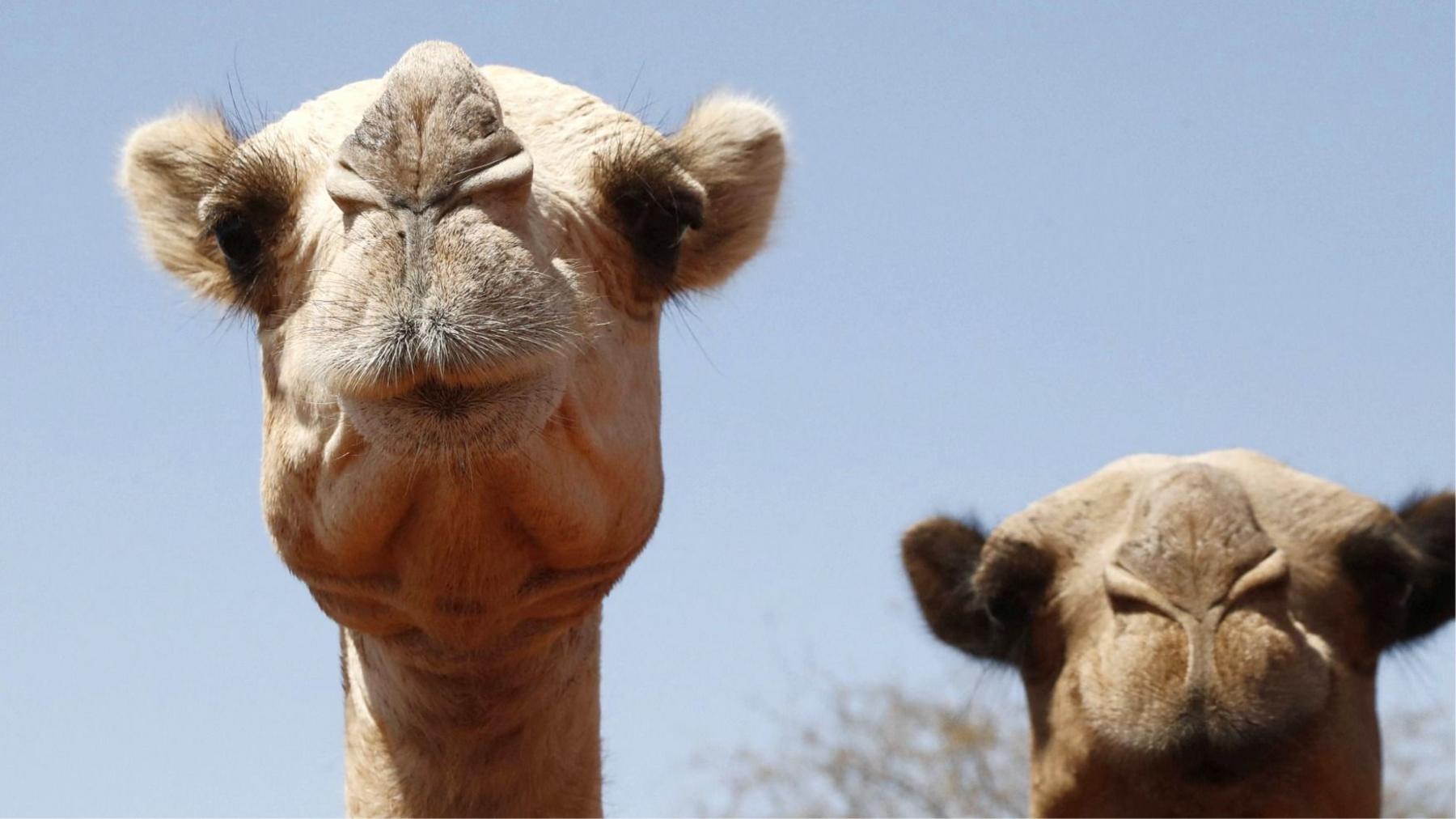
The Afar Region of north‑eastern Ethiopia, known for its scorching heat, has become the front line in a new climate battle. Herder Ali Umer, who owns some 500 camels, reports that hotter temperatures produce blistered feet, watery eyes and skin burns that trace hair away from his animals. Cumulatively, he has lost eight newborn camels in the last month alone, a figure that has shocked even veteran veterinary staff.
These observations echo findings from multiple studies: the 2025 research on herder perceptions in southern Ethiopia found that climate variability diminishes camel health, productivity and reproduction. In Somalia, a 2026 peer‑reviewed study revealed that drought‑driven camel mortality now affects nearly 46 % of pastoral households.
Scientists explain that beyond raw heat, the desert is losing vegetation, water and shade – all key buffers against extreme temperatures. While camels typically tolerate up to 40 °C by allowing body temperature to fluctuate, sustained temperatures above 50 °C have begun to overwhelm their adaptive mechanisms. The resulting heat stress slows metabolism, decreases food intake, lower milk yield and impairs reproductive health.
The consequences are felt by herders who are forced to abandon traditional grazing routes. Daniel Gelan, a development researcher at Vision University, notes that the migration of camels from the north is no longer seasonal but a permanent shift driven by the escalating heat.
Veterinary officers like Hassan Nuya Guyo in Kenya’s Marsabit County observe a 15 % rise in camel deaths over the last two years, attributing the increase to repeated hyperthermia and associated infections. Likewise, Mohammed el Khasmi of the University of Casablanca points to weight loss, inflammation, and kidney dysfunction as common conditions in over‑heated camels.
In addition to physiological stress, studies in Algeria show a 73 % camel mortality rate in the Sool region during heatwaves, prompting the Al‑Jazeera report on the region’s increased heat events. The World Meteorological Organization records temperatures above 50 °C across North Africa in 2024, with a recorded upward trend in heatwaves since 1981.
Experts urge targeted interventions during peak summer months – strategic water provision, supplemental feeding and intensified disease monitoring – to mitigate the loss of these crucial livestock. As climate change intensifies, the resilience of camels and the communities that depend on them is reaching its limits, demanding coordinated, science‑driven responses to preserve both animal and human livelihoods.
Additional reporting by BBC Amharic's Firehiwot Kassa