In brief
The Grand Condé, a nine‑carat pink diamond once stolen during a daring 1926 heist at Château de Chantilly, will be showcased at the Condé Museum for the first time in a century. Discovered when a maid snatched the gem from a hollowed apple, its return is controversial amid rising museum thefts. Experts note its unique properties enable precise authentication, while its insurance value remains undisclosed. The display will run until 3 January 2026, offering visitors a rare glimpse of a storied royal jewel.
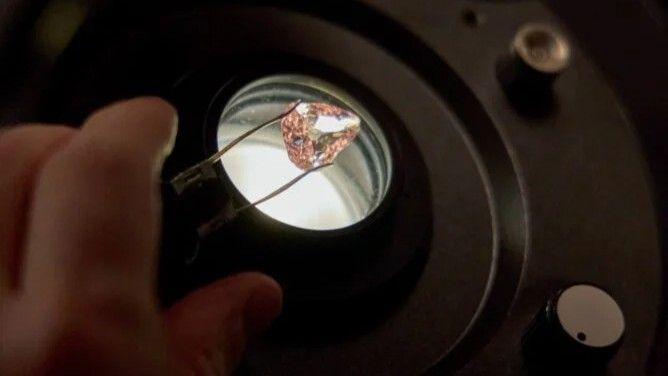
A rare nine‑carat pink diamond — once stolen in a daring 1926 heist and recovered in a hollowed apple — will return to public view at the Condé Museum for the first time in a century.
Known as the “Grand Condé,” the gemstone survived the French Revolution and eventually entered royal collections. The jewel was pilfered from Château de Chantilly during an overnight raid. Its thieves hid it inside a hollowed apple; a nosy maid discovered the gem after biting into the fruit.
After the 1926 incident, the diamond was kept under tight security for more than a hundred years. The museum now plans to expose the gemstone to visitors until 3 January 2026. Director Mathieu Deldicque confirmed the apple‑tale, noting it was widely reported at the time.
The diamond’s insurance value remains undisclosed, but academic studies have identified distinctive features, allowing it to be uniquely authenticated. In an era of repeated museum heists, the exhibition has sparked debate about risk versus heritage.
Pink diamonds are extremely uncommon, fetching tens of millions of dollars at auction. The most recent record was $71.2 million (£53.6 m) in 2017. The origin of the Grand Condé remains a mystery, first noted in a 1740 inventory of the Prince of Condé.
The jewel was later part of Queen Marie‑Amélie’s collection, then passed to Prince Henri of Orléans and ultimately to the Institut de France, which now holds the Château de Chantilly.