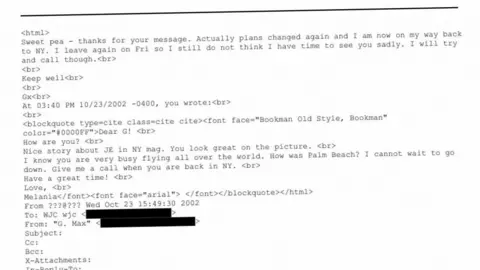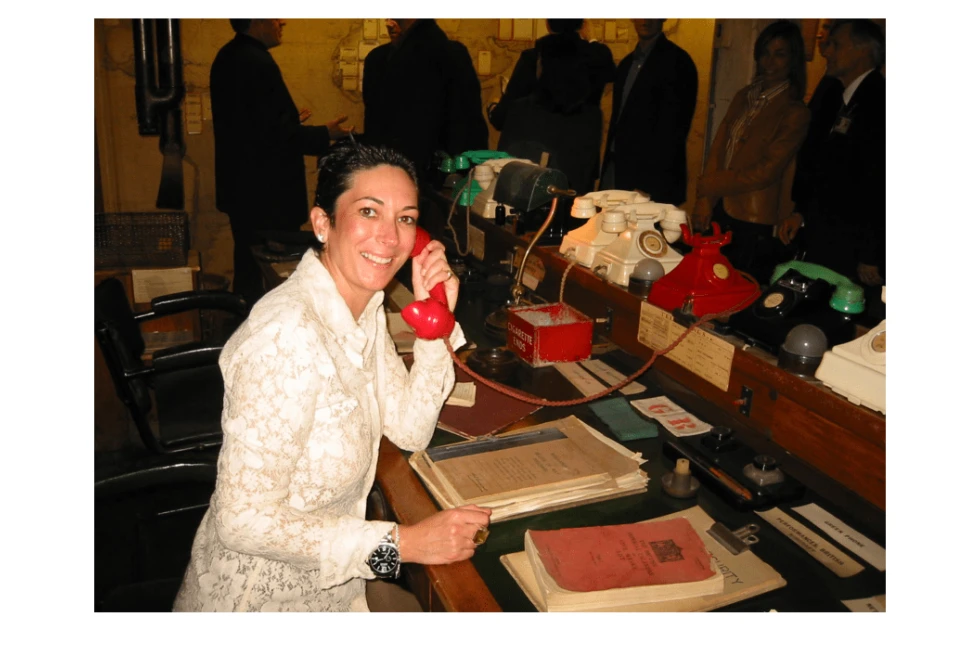
In a recent congressional session, Ghislaine Maxwell, former associate of Jeffrey Epstein, chose not to answer questions posed to her, citing her 5th Amendment rights against self-incrimination. This testimony took place through a video conference from the federal prison in Texas, where she is currently serving a 20-year sentence for sex trafficking crimes. Maxwell's refusal to cooperate comes amid intensified efforts by lawmakers to unearth the intricate web of individuals connected to Epstein, who faced numerous allegations of exploiting underage girls for sexual abuse over several years.
With her legal team indicating she wouldn’t answer any inquiries, lawmakers were still eager to press forward. This deposition was part of ongoing investigations aiming to shed light on who may have facilitated Epstein's extensive abuse. Maxwell has also been attempting to overturn her conviction, claiming to have been wrongfully convicted, which adds another layer to the ongoing legal saga.
House Oversight Committee Chairman James Comer has taken a firm stance, indicating that attempts to enforce subpoenas on figures such as former President Bill Clinton and Secretary of State Hillary Clinton may soon rise on the committee's agenda. Both Clintons are expected to comply after Comer’s threats of potential contempt of Congress dictates. As this situation unfolds, the relevance of Maxwell's testimony remains pivotal in the broader context of addressing the systemic issues surrounding Epstein and his notorious activities.
With her legal team indicating she wouldn’t answer any inquiries, lawmakers were still eager to press forward. This deposition was part of ongoing investigations aiming to shed light on who may have facilitated Epstein's extensive abuse. Maxwell has also been attempting to overturn her conviction, claiming to have been wrongfully convicted, which adds another layer to the ongoing legal saga.
House Oversight Committee Chairman James Comer has taken a firm stance, indicating that attempts to enforce subpoenas on figures such as former President Bill Clinton and Secretary of State Hillary Clinton may soon rise on the committee's agenda. Both Clintons are expected to comply after Comer’s threats of potential contempt of Congress dictates. As this situation unfolds, the relevance of Maxwell's testimony remains pivotal in the broader context of addressing the systemic issues surrounding Epstein and his notorious activities.