In brief
After years of debate and legal wrangling, the Austrian government has transformed the 17th‑century inn where Adolf Hitler was born into a fully‑fledged police station in Braunau am Inn. The refurbishment replaced a yellow-plastered facade with a clean white exterior and secured the interior with modern security. While some locals and activists argue that the house should serve as a memorial to the Nazi past, the interior minister believes the new police station marks a fresh chapter of democracy and rule of law. The opening ceremony featured police brass musicians and the blessing of two crosses by a Catholic chaplain, signalling the building’s new purpose. Despite the absence of Nazi trivialisation, the historic site remains a point of contention for how to confront and contextualise Austria’s difficult past.
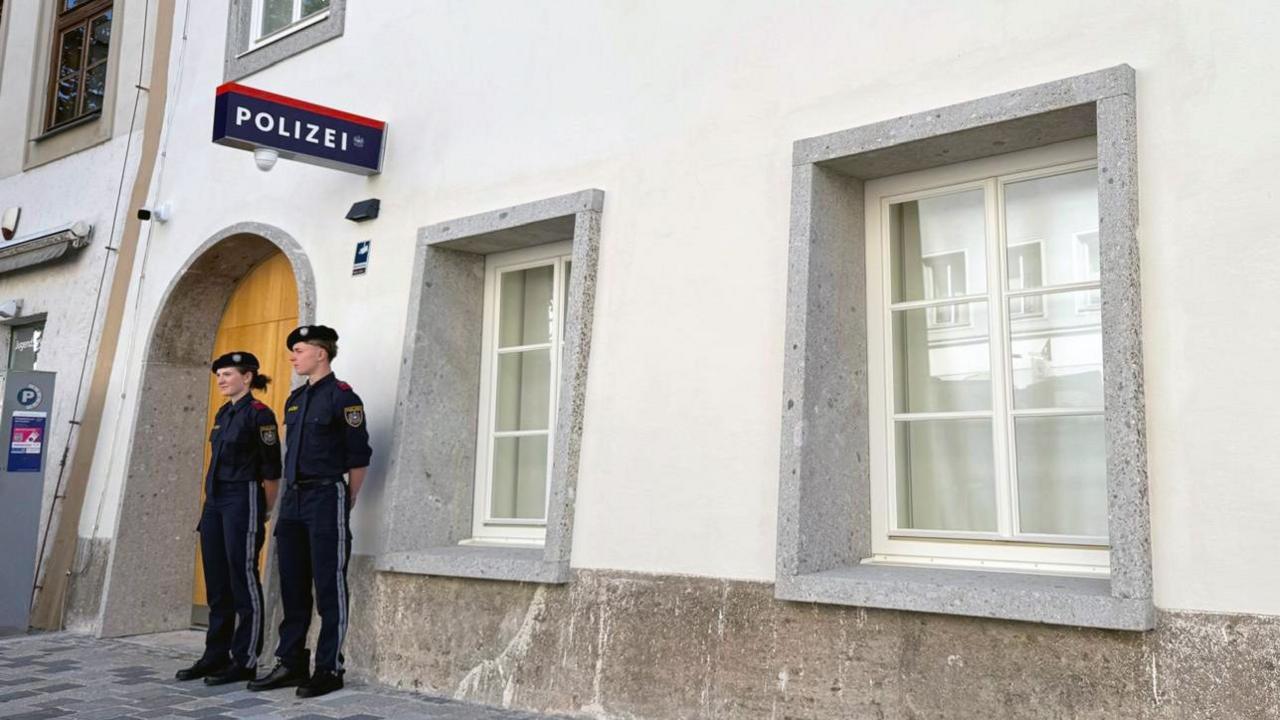
Austria has inaugurated a police station in the building where Adolf Hitler was born in Braunau am Inn, marking a decisive step in turning an infamous landmark into a symbol of modern law and security.
The 17th‑century former inn, whose yellow plaster had been a painful reminder of Germany’s darkest era, has been extensively refurbished. A clean white facade now replaces the old exterior, and inside, oak woodwork and a preserved winding staircase coexist with new security cameras that guard against neo‑Nazi pilgrimage.
During the opening ceremony police musicians played brass instruments while Interior Minister Gerhard Karner declared the house a place of democracy, rule of law, freedom, and human dignity. A Catholic police chaplain blessed two crosses that will hang in the station’s lobby.
The transformation followed a protracted dispute over the property’s ownership. Former owner Gerlinde Pommer had repeatedly refused to sell; she was later compensated after the government seized the building under a 2016 parliament act. Critics argued that demolishing the house would deny Austria a reckoning with its past, yet the new function provides a pragmatic measure to reduce extremist tourism.
Some locals and politicians still wish the building could serve as a centre confronting the Nazi legacy or as a re‑open space for the Lebenshilfe charity that once operated there. Nonetheless, the police station presents a tangible commitment to peace and democracy in a location steeped in historical memory.