In brief
On January 29, 2025, Sean Grayson, a former sheriff's deputy, will learn his fate after being convicted of second-degree murder in the death of Sonya Massey. During the trial, evidence revealed Massey was shot when she brandished a pot of hot water, prompting heated discussions on police conduct, especially regarding mental health crises. With sentencing implications ranging from probation to two decades in prison, public outcry continues to call for reforms in law enforcement practices in Illinois.
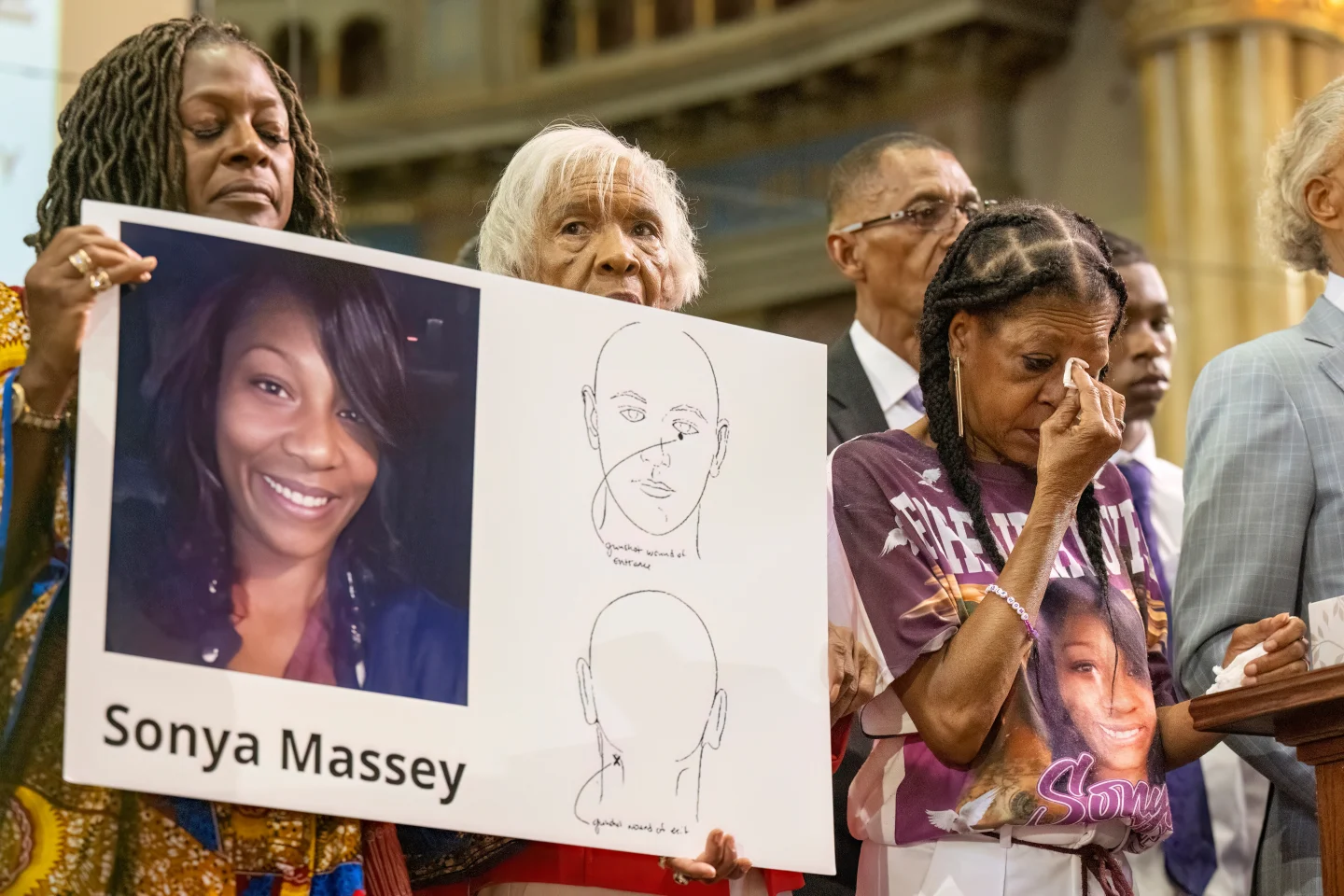
PEORIA, Ill. — In a decisive legal outcome, an Illinois jury has convicted former deputy sheriff Sean Grayson of second-degree murder for the 2024 shooting death of Sonya Massey, a Black woman who had called 911 seeking assistance. The jury's verdict differed from the first-degree murder charge pursued by prosecutors, which could have resulted in a sentence of 45 years to life. Instead, Grayson now faces a potential sentence of up to 20 years, with sentencing scheduled for January 29, 2025.
Massey, who struggled with mental health issues, was shot in her Springfield home after the deputies arrived following her distress call regarding a prowler. Grayson claimed that he acted out of fear that Massey would scald him with hot water she was holding. This incident has ignited serious discussions about police responses to mental health crises and the systemic issues related to law enforcement practices.
Grayson's defense suggested that a perceived threat justified his actions, but that argument has met significant public and legal scrutiny. Witness testimonies, including that of another deputy present during the shooting, conflicted with Grayson's fear-based defense, asserting that Massey did not pose a credible threat.
The fallout from Massey's death prompted immediate actions for law reforms in Illinois, including modifications to laws enhancing transparency in hiring practices for police. It sparked federal investigations into the Sangamon County Sheriff's Department, leading to agreements to improve training in de-escalation methods and mental health crisis responses.
The tragic outcome led to a substantive settlement from the county in a negligence lawsuit brought by Massey's family, amounting to $10 million, showcasing the potential legal repercussions of excessive police violence against vulnerable individuals.