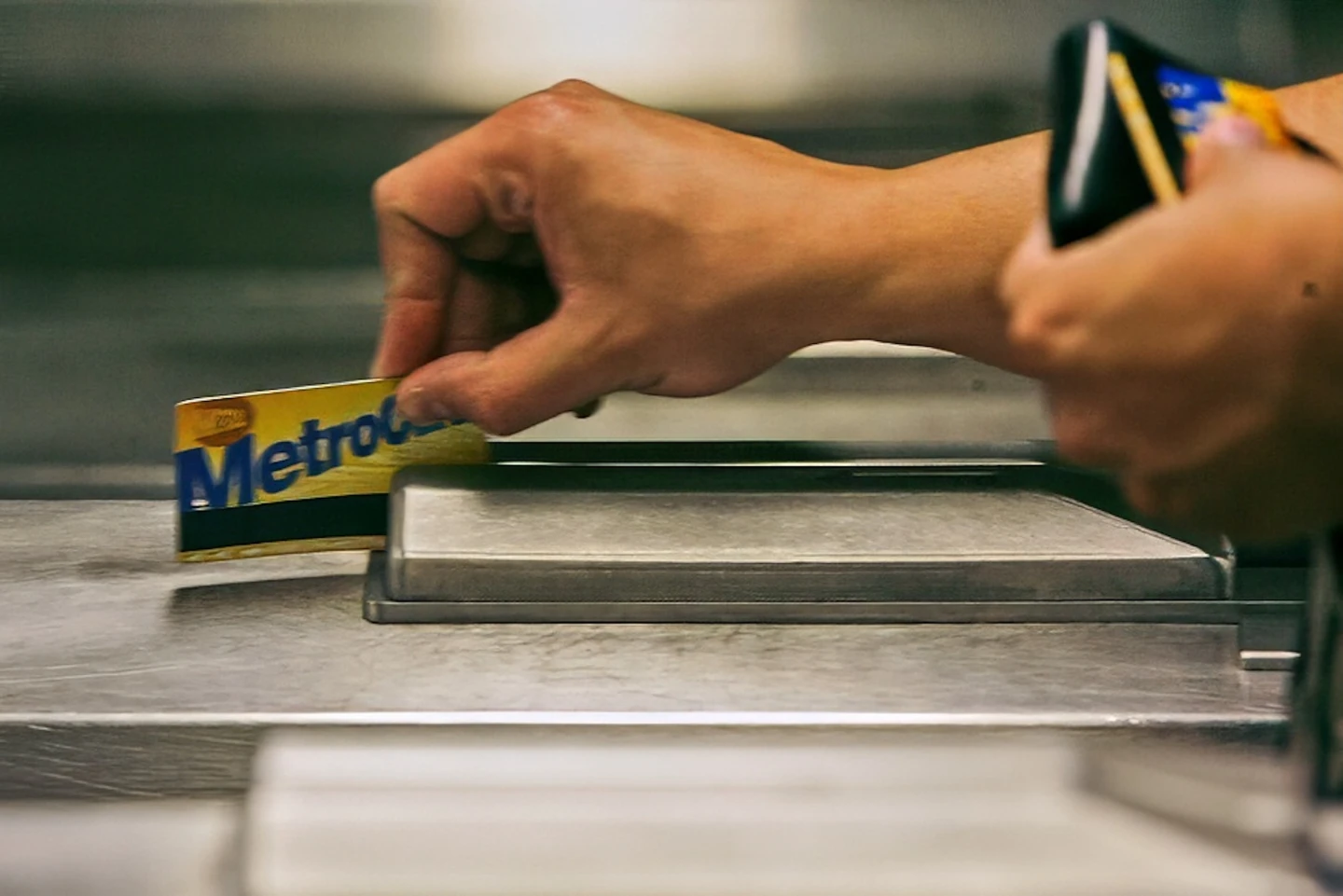
NEW YORK (AP) — The MetroCard, which replaced the New York City subway token in 1994, brought modernity to one of the world’s oldest transit systems. Now, after three decades, the gold-hued card and its unpredictable magnetic strip are set to retire.
The last day to purchase or reload a MetroCard will be December 31, 2025, paving the way for a complete transition to OMNY, a contactless payment system that enables riders to pay fares simply by tapping a credit card, phone, or other smart device.
Transit officials report that over 90% of subway and bus trips are now conducted using the tapping system, introduced in 2019. Major cities worldwide, including London and Singapore, have adopted similar systems, and cities like San Francisco and Chicago are following suit.
MetroCard's Legacy
The MetroCard revolutionized commuting for many New Yorkers, says Jodi Shapiro, curator at the New York Transit Museum, which recently opened an exhibit celebrating its legacy. “MetroCards introduced a whole new level of thinking for New Yorkers,” she explained.
Before the MetroCard, tokens were the norm. The introduction of the blue plastic card marked a significant shift, leading to public campaigns teaching users how to swipe correctly to avoid error messages and lost fares. Over the years, these cards became collector's items, featuring commemorative designs for events like the Subway Series.
Perfecting the swipe became a point of pride for New Yorkers, with notable incidents, such as Hillary Clinton's struggles at a Bronx turnstile during her presidential campaign, showcasing the skill required.
Cost Savings and Criticism
Unlike its predecessor, OMNY has required little adjustment and saves the Metropolitan Transportation Authority at least $20 million annually in MetroCard-related costs. Riders can purchase reloadable OMNY cards but are also concerned about issues like data collection and privacy.
Some longtime users, like 70-year-old Ronald Minor, express sadness over the retirement of the MetroCard, citing its user-friendliness compared to the new system. Still, optimism exists, as users adapt to the contactless payment landscape.