
In brief
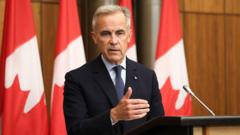
In a significant diplomatic move, Canada has decided to reduce its tariffs imposed on American goods, signaling a shift in the ongoing trade tensions between the two countries. The announcement by Prime Minister Mark Carney came after a phone call with President Donald Trump, following a missed deadline for reaching a trade agreement. While Canada will lift some tariffs, it will retain the 25% levies on autos, steel, and aluminum, focusing on goods that comply with the US-Mexico-Canada Agreement (USMCA). Carney emphasized the importance of maintaining competitive advantages for Canadian businesses while continuing negotiations in critical sectors ahead of a USMCA review next year.
In a detailed statement, Prime Minister Carney declared that Canada will align its tariff policy with the US by lifting levies on certain goods, effectively reinstating free trade for a large volume of transactions between the nations. This decision applies to around C$30 billion (approximately $21.7 billion) worth of American products, including everyday items from orange juice to washing machines. However, it should be noted that the primary tariffs on autos, steel, and aluminum will persist, as these remain contentious points in the trade dialogues.The White House welcomed Canada’s decision, describing it as a "long overdue" step, and officials expressed eagerness to discuss further matters related to trade and national security. Nevertheless, Carney faces domestic criticism from some political figures, such as Conservative leader Pierre Poilievre, who accused him of backpedaling on trade negotiations. As both countries grapple with tariff implications, the Canadian economy, especially its auto industry, witnesses growing pressure, with significant job losses reported in metallic production and automotive assembly.As the dialogue between Canada and the US continues, the focus shifts to addressing remaining issues in vital sectors like steel, aluminum, and automotive manufacturing ahead of the forthcoming USMCA treaty review. While Canada intends to reduce certain tariffs, both nations remain entangled in broader economic strategies that could reshape trade relations for years to come.

