In brief
Shenzhen court has sentenced Evergrande founder Hui Ka Yan to life imprisonment and confiscated his property following a guilty plea on embezzlement, bribery and misusing investors’ funds. The ruling comes amid wider penalties faced by the collapsed developer, which saw a fine of 8.82 bn yuan on its parent company and 7 bn yuan on its real‑estate unit. Hui’s life term underscores authorities’ resolve to punish those responsible for one of China’s biggest property crises. The Evergrande collapse has accelerated a downfall in the housing market and prompted tighter scrutiny of real‑estate borrowing. Investors and banks are now warned that large‑scale leverage can backfire when regulatory oversight tightens.
Founder of Evergrande Sentenced to Life in Prison
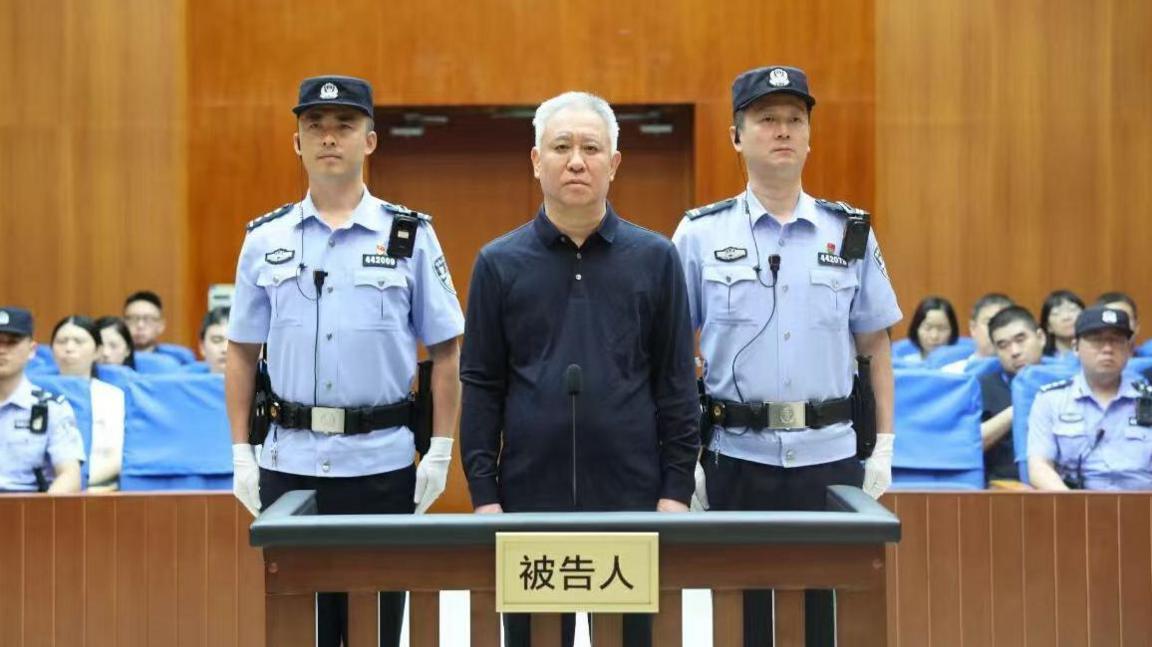
In a landmark decision, Shenzhen Intermediate People’s Court sentenced Hui Ka Yan, the founder of Chinese property giant Evergrande, to life imprisonment. The ruling also ordered the confiscation of all of his personal assets.
Following a guilty plea in April over charges ranging from embezzlement and corporate bribery to the misallocation of millions of dollars in prepaid customer deposits, the court imposed a severe penalty. Over the past months, Evergrande has faced a cascade of legal and financial penalties, including a fine of 8.82bn yuan ($960m) for the parent company and an additional 7bn yuan for its real‑estate division.
Hui’s sentencing signals the authorities’ intent to exactly punish the wrongdoers behind one of China’s most dramatic economic collapses. Evergrande’s rise, from a modest start in 1996 to being the country’s biggest developer, was built on aggressive borrowing that ultimately proved unsustainable under Beijing’s tightened debt controls.
The company’s downfall, triggered by the government’s 2020 property‑sector debt capping and subsequent forced sale of assets at steep discounts, led to a plunge in its market value by 99% and the removal of its shares from the Hong Kong exchange in August 2025.
Across China, the Evergrande saga has reverberated, fuelling a broader slump in the residential market and prompting renewed scrutiny of real‑estate financing models. For investors and banks, the life sentence and sweeping confiscation serve as a stark warning that fortunes built on excessive leverage can crumble when regulatory oversight intensifies.