In brief
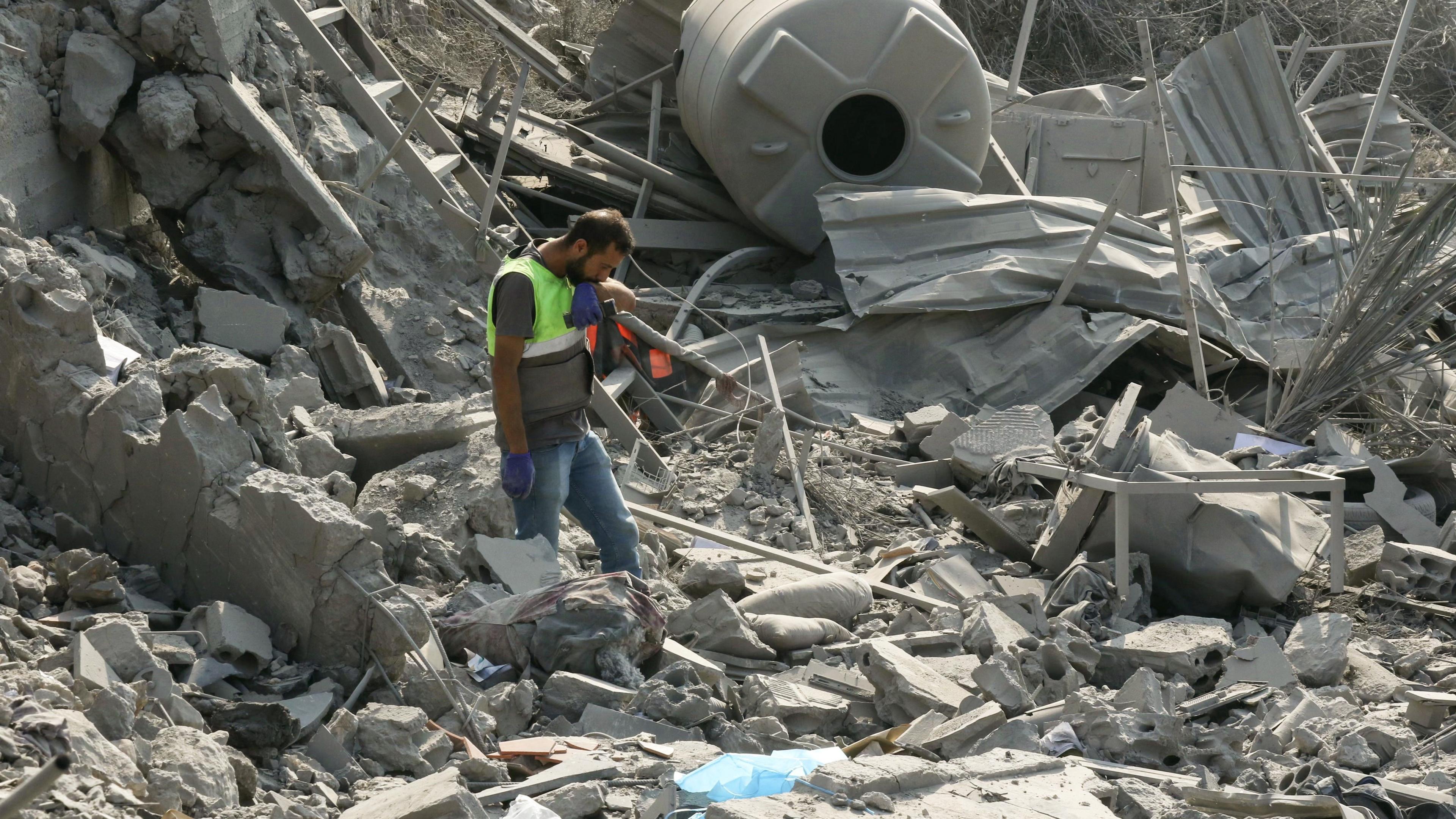
Eleven civilians were killed after Israeli airstrikes on 15 August in southern Lebanon, targeting the small town of Ansar near the border. The Ministry of Health reported that a few children and women were among those dead, while Israeli officials claim they struck Hezbollah commanders hiding in civilian homes. Lebanon’s prime minister condemned the attacks and called for an end to Israel’s escalation, insisting the civilians were not military targets. The strikes come amid a fragile ceasefire brokered in June that aimed to reduce hostilities in the region, but violence continues. Key points include allegations of human shielding, the involvement of Hezbollah, and the implications for the region’s stability.
Eleven civilians were killed when Israeli air forces struck southern Lebanon on 15 August, the Lebanese authorities confirmed. The strikes targeted the town of Ansar, located about 70km south of Beirut, where a house and nearby structures were hit late at night. Seven of the casualties were confirmed dead, including three children and two women, as reported by state media.
Israeli Defence Forces (IDF) announced that the attack was aimed at a Hezbollah commander, citing a previous raid on Israeli soldiers. According to the IDF, the commander used civilian families as human shields, which led to the civilian deaths. “The strike was directed at Hassan, a lawful target under international law, not at the family members hiding beside him,” the IDF added.
Later that day, another round of strikes hit the town of Deir al‑Zahrani, killing four people and wounding five others, the Lebanese ministry of health stated. Footage circulating on social media showed large plumes of smoke and sirens, reflecting the scale of the violence.
Lebanon’s Prime Minister Nawaf Salam condemned the attacks, stating the seven civilians killed were not military infrastructure. He demanded that Israel halt its escalation, stressing that the security and life of Lebanese people on their own land could not be negotiated or bargained over.
IDF’s statement clarified that the earlier incident occurred at the Ali al‑Taher Ridge—a high ground overlooking southeastern Lebanon and a strategic war zone. The IDF identified the target as Ali Samir al‑Haj Hassan, a Hezbollah battalion commander within the Radwan Force unit, and said it had eliminated several other ‘terrorists’ involved in the attack on Israeli forces.
In response, the office of Israeli Prime Minister Benjamin Netanyahu defended the IDF strike as a necessary response to Hezbollah’s aggression, criticizing the group for deliberately placing civilians in military compounds. Hezbollah dismissed these claims and said Lebanese civilians were deliberately targeted in their homes, many turned to human remains.
The January ceasefire framework announced in June aimed to have Hezbollah disarm, Israeli forces to gradually withdraw from southern Lebanon, and the Lebanese army to deploy across the area. However, attacks and demolitions by Israeli forces have continued, raising concerns over the durability of the ceasefire.
Lebanon’s President Joseph Aoun condemned the Israeli strikes, highlighting the repeated violations of the peace framework. While Hezbollah has not engaged in direct negotiations under the pact, the ongoing conflict underscores the fragility of regional stability.
Negotiators from Lebanon and Israel are scheduled to meet for an eighth discussion round in September, though a final date remains undecided.